


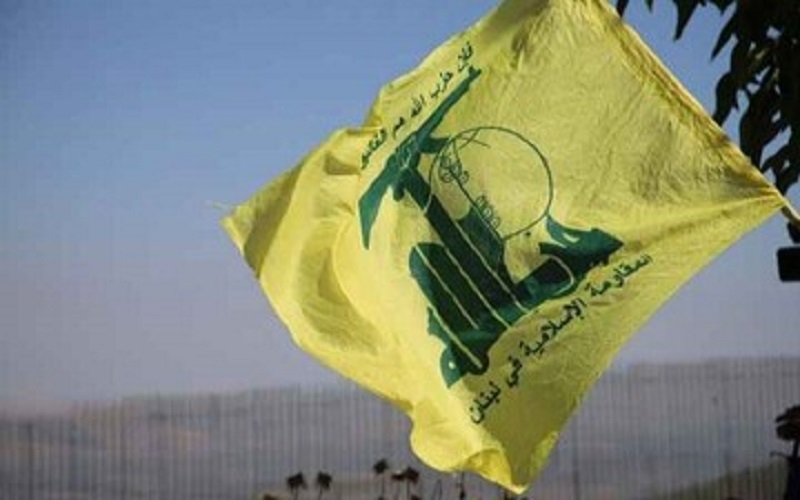

A report by The Telegraph alleges Iran has been funneling weapons to Hezbollah, a Lebanese militant group, by exploiting European ports.
The report claims Hezbollah received missiles and bombs via ships that docked in Antwerp (Belgium), Valencia (Spain), and Ravenna (Italy). These ports reportedly served as stopovers before the weapons reached Latakia, Syria, and ultimately Hezbollah in southern Lebanon.
According to intelligence sources, this strategy stems from Israeli airstrikes targeting Iranian assets in Syria and Lebanon.
Motives and Methods
Analysts believe Iran uses European ports to:
- Mask the origin and contents of the shipments by switching paperwork and containers.
- Benefit from the anonymity afforded by large European ports where cargo moves quickly with less scrutiny compared to smaller ports.
The report identifies five ships (Daisy, Kashan, Shiba, Arezoo, and Azargoun) suspected of involvement. These vessels allegedly transported goods from Iran’s Bandar Abbas port to Syria, with some docking at the European ports mentioned earlier.
Coordination and Alleged Collaborators
The report suggests Iran’s Quds Force Unit 190 coordinated the operation with Hezbollah’s Unit 4400. Additionally, some ships, like the Daisy, reportedly docked near the Iranian spy vessel Behshad in the Red Sea. The Behshad has been linked to attacks by the Houthi rebels and is a potential target for US intervention, according to the report.