


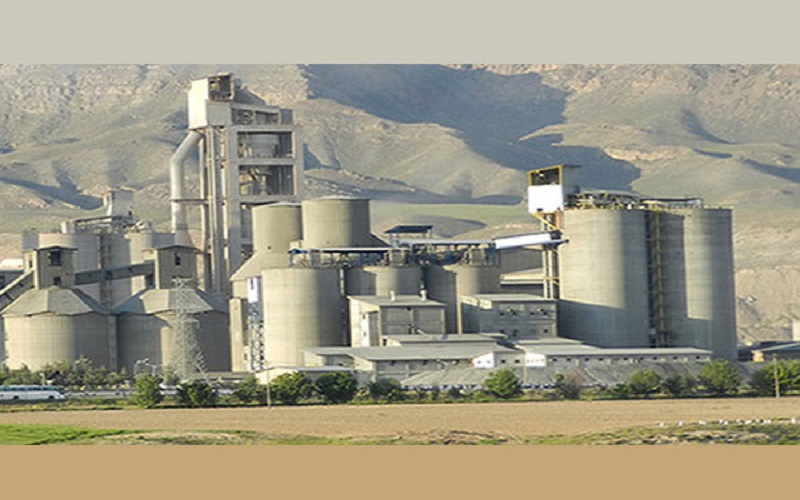

The Secretary of the Cement Industry Employers’ Association has highlighted a deepening crisis in Iran’s cement sector caused by severe gas restrictions. Factories near major cities, which lack the capacity to switch to diesel as an alternative fuel, have been forced to cut production by 50%. Meanwhile, factories further from urban centers, equipped to use diesel, continue operations. However, these facilities are grappling with fuel supply shortages and increased transportation costs, exacerbating operational challenges.
Energy Policies and Production Reductions
Last month, Iranian President Masoud Pezeshkian ordered the cessation of mazut usage in power plants in cities like Arak, Karaj, and Isfahan, citing public health concerns. He remarked: “Some people are not going to die until we have electricity.”
The Secretary noted that electricity supply issues have compounded the problems faced by cement factories. Restrictions that began in mid-June peaked in August, leading to the closure of 70% of cement kilns. This disruption coincided with a seasonal increase in cement demand, further straining the market. Despite these challenges, the end of summer brought improved electricity supply, stabilizing cement prices in the commodity exchange.
Production restrictions have also affected exports. Clinker exports—a key material in cement production—declined by 17% in the first seven months of this year compared to the same period last year. The production limitations caused by electricity and gas outages have been the primary drivers of this reduction.
Export Destinations and Regional Impact
Iran exports most of its cement to Iraq, Kuwait, and India. Other destinations include Afghanistan, Russia, Armenia, Turkmenistan, Pakistan, and countries in the Persian Gulf and Eurasian region. These export markets may face disruptions if fuel supply issues persist, potentially destabilizing regional construction projects.
Clinker, the main component of cement, is produced by heating limestone and aluminum silicate. The production process requires either dry or wet clinker, making consistent energy supply critical for maintaining output levels.
Fuel Supply and Logistical Bottlenecks
The Secretary warned that if current fuel policies remain unchanged, the cement industry could face a severe production crisis. Factories are required to source fuel from distant hubs like Bandar Abbas or Mahshahr, a situation compounded by high transportation costs and a shortage of transportation fleets. This logistical bottleneck poses a significant risk to the continuity of cement production.
Despite these hurdles, the industry is striving to shield the market from the crisis. The Secretary expressed hope that the fuel shortages of winter will not worsen and that summer’s challenges will not be repeated.
Aging Power Plants and the Broader Energy Crisis
Iran’s energy challenges are partly rooted in the inefficiency and aging infrastructure of its power plants. Hashem Orei, head of the Union of Scientific Energy Associations of Iran, recently underscored this issue, noting that 3% of Iran’s power plants are over 40 years old, while 15% exceed 30 years of age. In total, about 20% of the country’s power generation capacity relies on outdated plants.
The efficiency of some older facilities is as low as 20%, far below the national average of 37%. With global advancements in thermal electricity generation over the last three decades, Iran’s reliance on aging infrastructure underscores the urgent need for investment in modern power plants. Yet, this need has largely been neglected by authorities.
Looking Ahead
Iran’s cement industry stands at a crossroads, heavily dependent on resolving its fuel and electricity supply challenges. Without significant reforms to energy policies and infrastructure investment, the sector risks further instability. The government and industry stakeholders must prioritize these issues to ensure the sustainability of one of the country’s critical industries.