



In a recent live television interview, Masoud Pezeshkian, the president of Iran’s regime, issued a stark warning: Iran is teetering on the edge of a significant crisis due to pervasive inefficiencies across various sectors. Pezeshkian acknowledged that the government might fail to fulfill its obligations to pensioners unless fuel prices are raised.
This admission comes amid speculation about new U.S. sanctions targeting Iran’s oil exports and a deepening domestic energy crisis. Iranians are grappling with recurring power outages, fuel shortages at gas stations, and insufficient natural gas supplies—a critical resource for heating homes in winter.
Spiraling Energy Costs and Fuel Shortages
Iran, which spent $2 billion on gasoline imports in 2023, is projected to double this figure in the coming year. The government may also spend additional funds importing heavy fuel oil to sustain electricity production.
Historically, attempts to adjust fuel prices have ignited widespread unrest. In November 2019, a significant hike in gasoline prices triggered nationwide protests demanding regime change. These demonstrations led to violent crackdowns, with hundreds killed. At the time, the government set gasoline prices at 3,000 tomans per liter, with a 150-liter monthly quota for each car at half that price.
Instead of curbing demand, these measures exacerbated it, compounded by an aging fleet of fuel-inefficient vehicles. Simultaneously, rampant fuel smuggling has siphoned resources. An estimated 20% of Iran’s daily fuel production—around 120 million liters—is illicitly transported to neighboring countries like Iraq, Türkiye, and Pakistan, where fuel prices are 15–30 times higher than in Iran.
Recent Government Responses
In mid-October 2024, the government imposed refueling restrictions, ostensibly to combat smuggling but primarily to address domestic shortages. A month later, a lack of super gasoline forced authorities to permit private imports at $5 per gallon—a stark contrast to subsidized domestic rates.
Natural gas shortages further complicate the crisis. Iran relies on gas for 70% of its primary energy consumption, with over 90% of households dependent on it for heating and cooking. Yet, despite its vast reserves, Iran has failed to develop storage facilities to manage seasonal demand. This winter, the government expects a daily shortfall of 260 million cubic meters, even after a November rate hike.
Pezeshkian’s advice to mitigate the crisis—”I wear warm clothes at home; others can do the same”—was widely ridiculed as out of touch. The shortages have even forced Iran to halt gas exports to Iraq, weakening its regional influence.
Power Grid Struggles and Environmental Impact
Iran’s electricity sector is similarly strained. Many power plants rely on dual-fuel boilers that can run on either natural gas or mazut. However, mazut usage was recently banned in several major cities, ostensibly to reduce urban pollution, despite a domestic shortage of mazut.
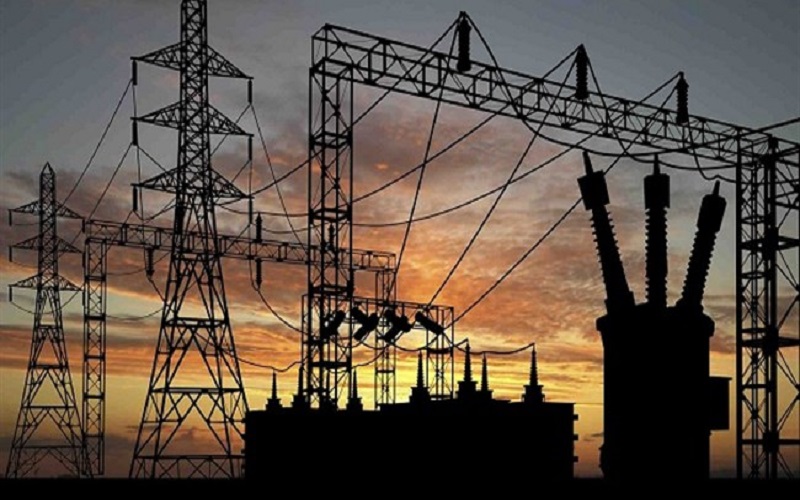
The national electricity grid faces a shortfall of 20,000 megawatts due to inadequate production capacity, aging infrastructure, and transmission losses, which account for 20% of total production. During peak demand in 2023, power plants operated at only 75% of their nominal capacity. Some older facilities are being decommissioned, and efforts to build new ones are lagging.
Periodic power outages, once limited to summer months, now occur year-round. Authorities have begun scheduling two-hour daily blackouts in major cities, further stoking public discontent. Social media is rife with complaints, with many speculating about potential mass protests akin to those in 2019.
Public Frustration and Economic Implications
The government’s mismanagement has led to widespread dissatisfaction. Efforts to produce low-quality domestic gasoline have damaged vehicles and worsened air pollution, adding to public grievances.
Iran’s energy future looks bleak. Without significant reforms, the country is projected to spend $25 billion annually on gasoline imports over the next decade—half its current oil export revenues. As the regime struggles to address the crisis, the mounting frustrations of a beleaguered population could spark renewed unrest.
Conclusion
Iran’s energy crisis reflects a broader pattern of systemic mismanagement. With rising domestic demand, inefficiencies in infrastructure, and a growing reliance on imports, the country is caught in a precarious cycle. Unless the regime enacts substantial reforms, it risks both economic collapse and escalating social unrest.