

13 December 2024, Geneva
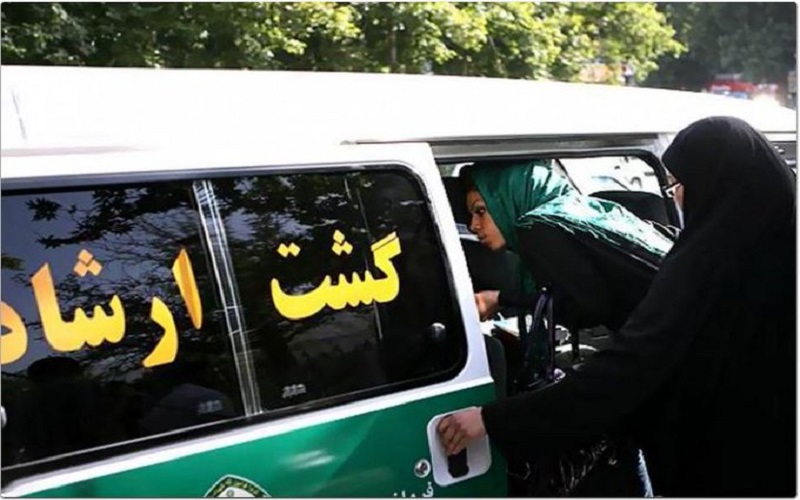
A group of United Nations human rights experts has called on the Iranian government to immediately repeal a new law enforcing stricter penalties on women and girls who do not wear the hijab. The legislation, officially titled the Law on Protecting the Family through the Promotion of the Culture of Chastity and Hijab, has raised alarm among international human rights advocates for its severe implications on women’s rights and freedoms.
Escalation of State Control
The UN experts described the new law as an intensification of state control over women’s bodies and a grave violation of fundamental human rights. “The new hijab law marks an intensification of state control over women’s bodies in Iran and is a further assault on women’s rights and freedoms,” they stated.
The legislation, which is reportedly set to take effect, imposes harsh penalties on individuals aged 12 and above for failing to adhere to mandatory veiling requirements both online and offline. It also criminalizes acts described as “promoting or advertising nudity” or “immodest or improper dressing.” Existing Islamic Penal Code provisions already punish the failure to wear a hijab with fines and imprisonment, but the new law introduces even more severe punishments, including extended prison sentences of up to 15 years and, in extreme cases, the death penalty under the charge of “corruption on earth.”
Systematic Human Rights Violations
The UN experts highlighted that the law infringes on numerous basic rights, including:
- Equality
- Freedom of expression
- Religious freedom and belief
- Bodily autonomy
- Liberty, security, and privacy
Concerns were also raised regarding state-led propaganda aimed at embedding mandatory veiling and “family-oriented values” into cultural and educational frameworks. These campaigns seek to enforce a state-sanctioned value system that restricts freedom of opinion and belief.
Delegation of Enforcement to Private Actors
A particularly controversial aspect of the law is its delegation of enforcement responsibilities to private citizens and businesses. It mandates families, individuals, and organizations to report violations of veiling requirements, fostering a culture of surveillance and mistrust. This climate of fear, the experts warned, will disproportionately affect vulnerable groups, including children, young people, and social media users.
The law’s provisions also include the extensive use of technology for monitoring and enforcement. Economic punishments, such as hefty fines, are likely to exacerbate inequality, especially impacting economically disadvantaged populations.
Impact on Women and Society
The UN experts cautioned that enforcing the law would escalate violence against women and girls and further institutionalize systemic gender discrimination in Iranian society. “These measures embed structural gender-based segregation and reinforce patriarchal norms, creating long-term societal harm,” they said.
A Call for Repeal
The UN experts urged the Iranian government to immediately repeal the Hijab and Chastity Law and all discriminatory legislation that perpetuates gender-based persecution. They emphasized the importance of upholding international human rights standards and protecting women’s rights to equality and freedom.
The experts stated that they remain in communication with the Iranian government on this issue and will continue monitoring the situation.
Who Are the Experts?
The UN statement was issued by several Special Rapporteurs and members of working groups, including Mai Sato (Special Rapporteur on human rights in Iran), Nazila Ghanea (Special Rapporteur on freedom of religion or belief), Reem Alsalem (Special Rapporteur on violence against women and girls), and others from various UN committees dedicated to addressing discrimination and cultural rights.
This collective action underscores the international community’s commitment to advocating for the rights of Iranian women and resisting policies that institutionalize inequality.