


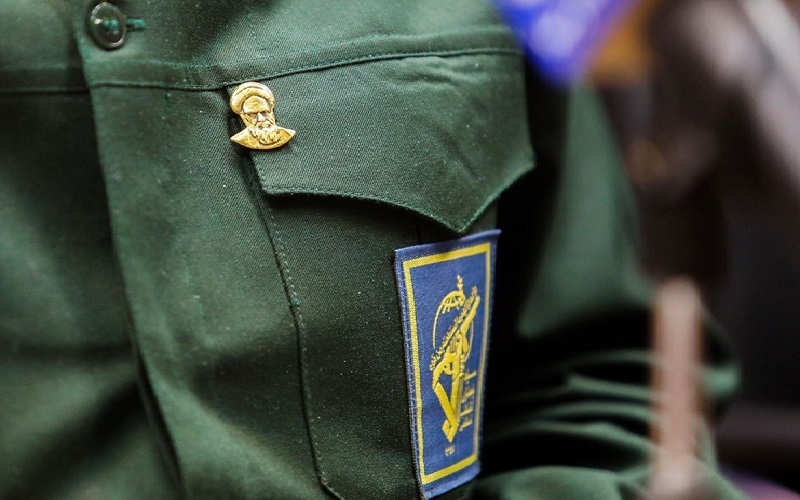

Iran regime’s Islamic Revolutionary Guard Corps (IRGC) has significantly increased its control over the nation’s oil industry, commanding up to half of the exports that generate the bulk of Tehran’s revenue. These exports serve as a crucial funding mechanism for Iran’s regional proxy groups across the Middle East, according to Western officials, security sources, and Iranian insiders.
The IRGC’s influence extends to every aspect of Iran’s oil trade, including its shadow fleet of tankers that clandestinely transport sanctioned crude, logistical networks, and front companies facilitating sales, primarily to China. Interviews conducted by Reuters with over a dozen sources reveal the growing dominance of the IRGC in an industry that is vital to Iran’s economy and political leverage.
Sanctions and Revenue Resilience
Despite Western sanctions reimposed by the Trump administration in 2018, Iran’s oil revenues exceed $50 billion annually, making it the country’s largest source of foreign currency. This remarkable resilience is attributed to the IRGC’s expertise in circumventing sanctions and its enhanced role in oil exports. Analysts estimate that the IRGC’s share of these exports has surged from 20% three years ago to as much as 50% today. These estimates are derived from intelligence documents and shipping activity monitoring by entities linked to the IRGC. However, the exact scale of their control remains unclear.
IRGC’s Economic and Strategic Influence
The IRGC’s involvement in the oil sector bolsters its broader economic influence and complicates the efficacy of Western sanctions. The United States has already designated the IRGC as a terrorist organization, but the group’s expanding role in the economy makes it more challenging to isolate Iran financially. Tehran’s Oil Minister recently announced measures to counter potential new sanctions, though details remain undisclosed.
Richard Nephew, a former U.S. State Department official, highlights the IRGC’s adeptness at smuggling oil compared to traditional state institutions like the National Iranian Oil Company (NIOC). This shift began as the IRGC leveraged its expertise to sustain oil exports under sanctions, gradually encroaching on NIOC’s domain.
Revenue Allocation and Proxy Funding
The IRGC’s control over oil revenues directly supports its overseas operations, particularly through its Quds Force. This includes funding allies such as Hezbollah in Lebanon, Hamas in Gaza, Yemen’s Houthis, and various militias in Iraq. According to security sources, a significant portion of these revenues is allocated to Hezbollah, with estimates suggesting an annual budget of $700 million to $1 billion for the group, largely sourced from Iranian oil sales.
Strategies and Front Companies
China remains Iran’s largest oil buyer, with independent refineries as primary customers. The IRGC has established front companies, such as China-based Haokun, to facilitate these transactions despite U.S. sanctions. These companies employ strategies like ship-to-ship transfers to obscure the origin of the oil. Intelligence documents and shipping data confirm the IRGC’s reliance on these tactics to evade detection.
Global and Regional Implications
The IRGC’s expanding role in Iran’s oil sector highlights its ability to adapt to sanctions and exploit loopholes, undermining efforts by Western powers to isolate Tehran. This control over oil revenues enables the IRGC to sustain its influence both domestically and across the region. While Iran’s oil output has reached its highest levels since 2018, these developments reflect the challenges of curbing the activities of an organization designated as a terrorist entity by the United States. The Guards’ methods and networks fuel destabilizing activities in the Middle East, raising serious concerns for international security.
This article is based on a report by Reuters, published on December 18, 2024.