



Rising costs, subsidy cuts, and supply disruptions leave millions struggling to afford a basic staple
Reports from across Iran indicate a worsening shortage of bread, one of the country’s most essential food staples, as citizens face growing difficulty accessing affordable supplies. Sharp price increases and disruptions in flour distribution have intensified pressure on households already struggling under high inflation.
Residents in multiple regions describe long queues at bakeries and limited availability. In Malard, west of Tehran, one citizen reported that many bakeries are facing flour shortages and are unable to meet the high demand, leaving people waiting in extended lines for basic provisions.
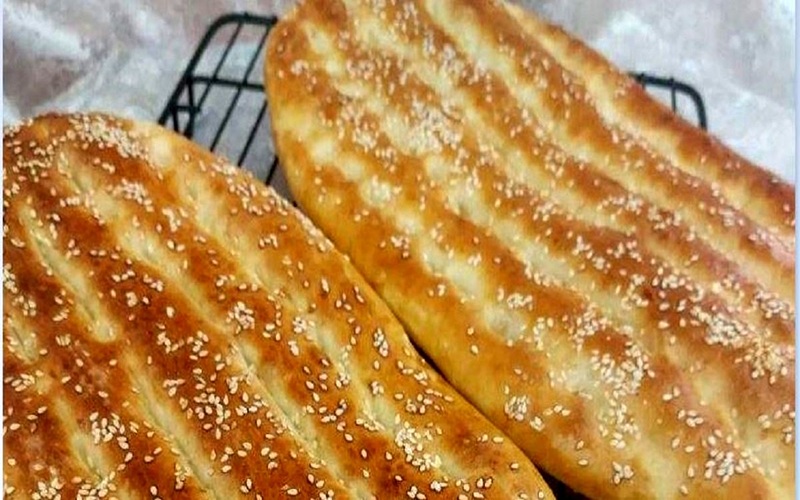
Others point to dramatic price hikes following the recent conflict involving the Iran regime. According to citizen reports, the price of traditional flatbreads has surged well beyond official rates. Barbari bread is reportedly being sold for around 25,000 tomans, while Sangak has reached 35,000 tomans—figures significantly higher than the government’s last approved prices of approximately 5,500 and 7,600 tomans, respectively.
A Growing Gap Between Official Prices and Reality
Although bread and wheat hold a central place in daily life—underscored by the designation of April 20 as National Bread and Wheat Day in Iran—recent accounts suggest that access to this basic commodity is becoming increasingly difficult. The widening gap between official price controls and actual market conditions reflects deeper structural issues in supply and policy enforcement.
Contradictions Over Wheat Supply
For years, officials of the Iran regime have promoted the goal of self-sufficiency in wheat production. This ambition was first publicly celebrated in 2004, but has proven difficult to sustain due to structural challenges such as water scarcity and inefficiencies in domestic agriculture.
Despite renewed claims that Iran will not require wheat imports this year, official customs data tells a different story. In the last ten months alone, the country imported approximately 2.75 million tons of wheat, valued at nearly $1 billion. Much of this supply came from Russia, with additional shipments routed through intermediary countries such as the United Arab Emirates and Turkey.
Reliance on intermediaries—many of which are not major wheat exporters—highlights the logistical and financial complications facing the Iran regime, including banking restrictions and payment barriers. These factors increase transportation and transaction costs, further driving up prices.
Policy Pressures and Rising Costs
Since the beginning of the current year, bread prices have increased across various provinces, driven in part by reductions in subsidies and a shift toward a unified flour pricing system. As a result, prices now vary significantly depending on region and flour type, with some bakeries selling above official rates.
Although the parliament has allocated substantial funds for bread subsidies in the national budget, updated official pricing for the current year has yet to be announced. In practice, outdated price controls remain in place, but enforcement is inconsistent.
Inflation and Shortages Intensify Household Burden
Even before the recent escalation in regional conflict, inflation in Iran had already reached critical levels. Point-to-point inflation exceeded 70 percent, while food inflation climbed into triple digits. Official data indicates that the annual inflation rate for bread and cereals has reached approximately 140 percent.
At the same time, the reduction or removal of subsidized flour in parts of the market has forced more bakeries to operate under higher-cost conditions, further contributing to rising retail prices.
The combined impact of shortages and inflation is increasingly visible. Long queues at bakeries, unstable supply, and rapidly rising prices are placing additional strain on households, particularly as bread remains a primary component of daily nutrition for many families.
Widening Economic Pressure Nationwide
Accounts from Tehran and other regions suggest that these challenges are not isolated but part of a broader national trend. Access to essential goods is becoming more uncertain, shaped by rising costs, inconsistent supply, and policy shifts that have yet to stabilize the market.
For many Iranians, the growing difficulty in purchasing bread is not just an economic issue—it is a clear indicator of deepening structural pressures affecting daily life across the country.