On Tuesday, December 17, Iranian state-run media announced the continued closure of schools and offices across most provinces, including some universities. Reports cite the “persistence of cold air masses, snowfall, and cold weather as well as increased pollution in some provinces” as the primary reasons behind this widespread shutdown, which has paralyzed daily life.
Gas Shortages and Warnings from Officials
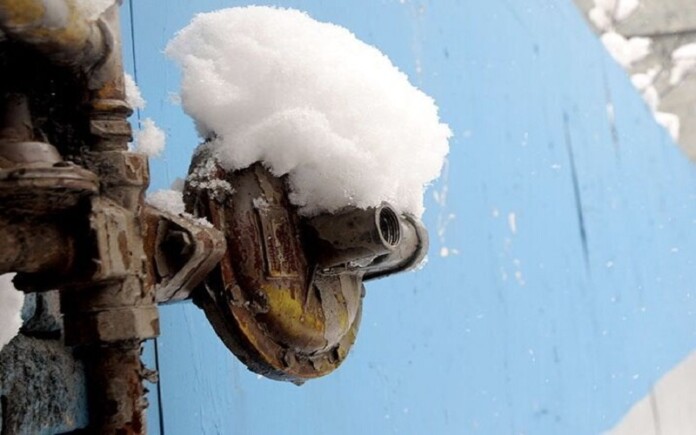
Saeed Tavakoli, CEO of Iran’s National Gas Company, previously warned that “gas reserves are at their minimum level.” With temperatures plummeting, he predicted that “the situation of gas shortages will worsen.” Now, on the third consecutive day of closures, the government’s decision to shut down schools and offices—a measure purportedly taken to “manage” energy consumption—remains indefinite.
Air Pollution: A Persistent Health Crisis
According to IQAir statistics, Tehran’s air pollution index has reached “very unhealthy” levels, making it one of the most polluted cities in the world. Low-quality combustion engines in Iranian-manufactured cars have further exacerbated this issue. The Iranian regime’s President, Masoud Pezeshkian, recently urged citizens to “lower the heating of their homes by at least two degrees” to conserve fuel reserves. However, this plea has been widely mocked on social media, with critics pointing to years of government mismanagement and failure to address infrastructure issues.
A Long-Foreseen Crisis
Experts have long warned of a looming energy crisis in Iran, especially during the cold season. Despite these warnings, timely actions were not taken, leaving the country unprepared for its current predicament. Economic analysts argue that the government’s reliance on temporary measures, such as shutdowns, highlights its lack of a cohesive strategy to address underlying problems.
Iran is home to the second-largest gas reserves and the third-largest oil reserves globally. Yet, the government’s inability to utilize these resources effectively has led to repeated crises. Officials’ promises to reduce air pollution—including commitments to stop burning mazut (heavy fuel oil)—have largely gone unfulfilled. In reality, the Ministry of Energy has resumed the widespread use of mazut in power plants, claiming it is necessary to maintain electricity supplies.
Ripple Effects on Daily Life
The energy crisis has created a domino effect of other problems. On December 17, the state-run Tasnim News Agency reported that power outages disrupt more than just electricity: “In today’s life, when most people live in apartments, the supply of drinking water to pumps and heating systems is often dependent on combi boilers. With power outages, water and heating systems are also cut off. Additionally, elevators and electric parking doors stop working.”
Reports indicate that gas has been cut off in various parts of Tehran and other provinces. In Kerman, industrial towns have faced a three-day gas outage, and steel complexes have also been affected. In Kermanshah, more than 950 office buildings have experienced gas shortages. This cascading failure of infrastructure underscores the fragile state of the nation’s utilities.
Dust Storms: Another Environmental Challenge
In addition to cold weather and pollution, dust storms have compounded Iran’s environmental woes. These storms, which have long plagued parts of the country, cause severe respiratory and cardiovascular health problems and disrupt daily life. Recently, schools and universities in Hormozgan Province were closed due to strong winds and dust storms. On December 15, Khuzestan Province recorded dust levels 66 times the permissible limit in Hoveyzeh and 25 times the permissible limit in Ahvaz.
Misplaced Priorities and Public Outrage
Critics argue that the Iranian regime’s misplaced priorities exacerbate these crises. While urging citizens to conserve energy, the regime continues to spend billions of dollars on foreign interventions, such as its long-year support of Syria’s Assad regime and funding Hezbollah in Lebanon. Economic activists also point to the role of large cryptocurrency mining centers, operated mostly by entities like the IRGC, as significant contributors to the country’s energy consumption. Meanwhile, the regime has tripled the budget for repressive military forces, further fueling public discontent.
A Nation in Crisis
Iran’s infrastructure, already weakened by decades of neglect, now struggles to withstand even routine challenges like cold weather. The state-run daily Setareh-e Sobh summarized the situation on December 17: “Cold, air pollution, and lack of gas, electricity, and even water have occurred in an unprecedented way. These issues are no longer just problems but have each turned into crises. If these crises are not contained, they will lead to other crises.”
The regime’s inability to address these compounding challenges has left citizens to bear the brunt of the energy crisis, which has far-reaching social, economic, and health implications. Without decisive action, the cycle of mismanagement and crisis is unlikely to end.