Revocation of residency permits for relatives of Iranian regime figures highlights long-standing Western policy failures and growing pressure for accountability
In a significant policy shift, the United States has revoked the residency status of several individuals linked to senior figures of the Iranian regime—an action that underscores not only a tightening enforcement posture but also the long-term consequences of decades of Western appeasement toward Tehran.
According to a statement by the U.S. State Department, Issa Hashemi, son of Masoumeh Ebtekar, along with his wife Maryam Tahmasbi and their child, has been arrested by federal agents and is currently in custody of U.S. Immigration and Customs Enforcement (ICE), pending deportation proceedings.
The move coincided with ongoing ceasefire negotiations between Tehran and Washington in Islamabad, signaling a broader recalibration of U.S. policy toward individuals associated with the Iranian regime.
A Legacy of Controversy
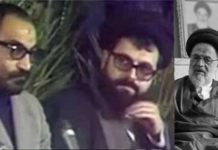
Masoumeh Ebtekar remains one of the most controversial figures tied to the early years of the Iranian regime. Known for her role as spokesperson during the 1979 U.S. Embassy takeover in Tehran, she became internationally recognized as the English-speaking voice of the hostage-takers.
During the 444-day hostage crisis, 52 American diplomats were subjected to psychological and physical abuse, including solitary confinement, blindfolding, food deprivation, and mock executions. Ebtekar was instrumental in shaping propaganda narratives that portrayed the captives as being treated humanely—claims later contradicted by extensive testimony from the hostages themselves.
Her notoriety resurfaced recently when U.S. Secretary of State Marco Rubio publicly referenced her past, describing her as a central figure in disseminating extremist propaganda during the crisis.
Entry Through Policy Loopholes
Issa Hashemi and his family entered the United States in 2014 under visas issued during the administration of Barack Obama. In June 2016—just months after Iran’s Revolutionary Guards detained U.S. Navy personnel in the Persian Gulf—the family was granted permanent residency through the Diversity Visa Program.
Critics argue that this decision exemplifies a broader pattern of strategic leniency that characterized Western engagement with Tehran during that period. While diplomatic overtures were intended to moderate the regime’s behavior, they often resulted in concessions that allowed individuals connected to the regime to benefit from democratic systems abroad.
Meanwhile, dissidents and opposition figures continued to face surveillance, intimidation, and even assassination attempts beyond Iran’s borders.
A Stark Contrast: Privilege vs. Persecution
Recent reporting by major U.S. media outlets revealed that Hashemi had been living a comfortable life in Los Angeles, teaching psychology to elite clientele, while refusing to condemn his mother’s role in one of the most notorious acts of anti-American hostility in modern history.
This stark contrast—between the freedoms enjoyed by regime-affiliated families in the West and the repression faced by ordinary Iranians—has intensified criticism of past Western policies.
For years, Iranian activists have warned that the regime has exploited diplomatic openings not only to evade accountability but also to extend its influence abroad, including through family networks embedded in Western societies.
Broader Enforcement Trend
The Hashemi case is not isolated. U.S. authorities have recently taken similar actions against other relatives of Iranian regime officials.
Among them is Hamideh Soleimani Afshar, identified as a relative of Qasem Soleimani, the former commander of the IRGC Quds Force. She and her child were detained following the revocation of their residency, while her spouse was barred from entering the United States.
The State Department described her as an outspoken supporter of the Iranian regime, citing activities that included promoting propaganda, praising attacks on U.S. forces, and expressing unconditional support for the Islamic Revolutionary Guard Corps (IRGC).
In another case, Fatemeh Larijani—linked to one of Iran’s most powerful political families—was also stripped of her residency and deported, with a permanent ban on reentry imposed on her and her spouse.
The Cost of Appeasement
These developments are increasingly framed as corrective measures after years of flawed policy. For decades, Western governments—particularly the United States—pursued engagement strategies aimed at moderating the Iranian regime. In practice, however, these policies often enabled regime insiders and their families to access the very freedoms denied to Iranian citizens.
This dual reality—where regime affiliates lived freely in democratic countries while dissidents were persecuted, both inside Iran and abroad—has come under growing scrutiny.
Critics argue that such appeasement not only emboldened the regime but also undermined the credibility of Western commitments to human rights and democratic values.
A Turning Point?
The recent wave of arrests and deportations suggests a shift toward a more assertive approach—one that seeks to close long-standing loopholes and hold regime-linked individuals accountable.
Whether this marks a lasting policy transformation remains to be seen. However, for many observers, the message is clear: the era in which relatives of authoritarian officials could quietly benefit from life in the West—while their governments oppressed dissent at home—may be drawing to a close.
As pressure mounts, the broader question facing Western policymakers is no longer whether appeasement has failed, but how to address its enduring consequences.