Executions in Iran fail to silence dissent, instead igniting domestic resistance and galvanizing international calls for accountability
At a time when developments in Iran are often obscured by geopolitical calculations and regional crises, a stark and brutal reality has cut through the noise: executions. The hanging of six political prisoners affiliated with the opposition was not merely an act of punishment—it was a calculated attempt to intensify repression, instill fear, and preempt further unrest. Yet, instead of silencing dissent, these executions have stirred both domestic resistance and a wave of international reaction that the authorities can no longer easily contain.
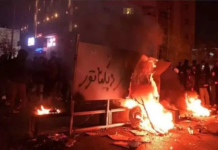
Inside Iran, the response has been immediate and telling. Despite an atmosphere of heightened security and wartime pressure, acts of defiance have multiplied. From graffiti on city walls to the distribution of leaflets and the installation of protest banners, dissent has found new forms of expression. These acts, while small in isolation, collectively signal something deeper: repression, even when intensified, is no longer sufficient to extinguish the will to resist. On the contrary, it appears to be generating renewed momentum within a society that has learned to adapt and endure under pressure.
Beyond Iran’s borders, the reaction has been swift and unusually direct. International figures from across the political spectrum have condemned the executions and called for concrete measures. The United Nations Special Rapporteur on human rights in Iran, Mai Sato, urged an immediate halt to executions, framing them as a grave violation of fundamental rights. Carla Sands, former U.S. ambassador to Denmark, honored the victims and reaffirmed support for the Iranian people’s struggle for freedom. Meanwhile, Dominique Attias, head of the European Lawyers Foundation, emphasized the need for tangible international backing for both the Iranian public and its organized resistance.
In Washington, senior lawmakers echoed similar concerns. Congressman Mario Díaz-Balart stressed the importance of holding Tehran accountable, describing the regime as a leading state sponsor of terrorism. Former U.S. ambassador to the UN Human Rights Commission Ken Blackwell called for global condemnation of what he characterized as blatant brutality, while Irish politician Jim Shannon described the executed individuals as symbols of the broader fight for liberty. Former Member of the European Parliament Dorien Rookmaker went further, urging immediate action by international institutions.
The chorus of condemnation extended across Europe. French lawmaker Christine Arrighi called on both France and the European Union to adopt a firmer stance toward Tehran. British peer Lord Alton and Italian senator Giulio Terzi di Sant’Agata warned that such executions must not be ignored by those claiming to defend human rights. In Germany, the Committee of Solidarity for a Free Iran called for the regime’s systematic abuses to be referred to the United Nations Security Council.
At the same time, voices within Europe have also underscored a critical point: meaningful change in Iran will not come from external military intervention. Bernd Riexinger, former leader of Germany’s Left Party, argued that transformation must ultimately be driven by the Iranian people and their opposition movements. Similarly, Estonian parliamentarian Marko Mihkelson, chair of the foreign affairs committee, called on the international community to formally recognize the regime’s lack of legitimacy.
Taken together, these reactions paint a clear and consequential picture. The executions have not only failed to suppress opposition but have instead amplified it—both within Iran and across the international stage. They have exposed the extent to which the authorities rely on coercion to maintain control, while simultaneously strengthening global support for those who challenge that control.
The message emerging from this convergence of domestic defiance and international condemnation is unmistakable: the use of the gallows as a tool of governance may instill fear in the short term, but it also risks awakening a far more enduring force—a collective conscience that refuses to look away.