Systematic Targeting of Activists
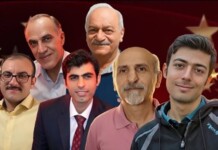
This alarming trend is part of a broader pattern where Iranian authorities have systematically targeted activists, particularly those associated with ethnic minorities and political opposition groups. The United Nations has highlighted these ongoing human rights violations, calling for accountability and urging nations to exercise universal jurisdiction over these crimes. The UN’s July 2024 report described decades of “atrocities,” including extrajudicial killings and torture, particularly against members of the People’s Mojahedin Organization of Iran (PMOI), who are labeled as “apostates” by the regime.
Grassroots Resistance: “Tuesdays Against Executions”
In response to this oppressive climate, Iranian prisoners have initiated hunger strikes every Tuesday to protest against executions, a movement known as “Tuesdays Against Executions.” This grassroots effort reflects the resilience of those imprisoned for their beliefs and their demand for justice and human rights. The slogan has evolved from “Woman, Life, Freedom” to “Woman, Resistance, Freedom,” emphasizing the need for collective action against tyranny.
The Role of International Media and Governments
The role of international media and governments is also under scrutiny. Critics argue that there is a troubling silence surrounding these executions, which may stem from a combination of local preoccupations and a desensitization to global human rights abuses. The lack of coverage raises questions about complicity and moral responsibility towards those suffering under oppressive regimes. Since the election of President Massoud Pezeshkian, who is perceived as a moderate, Iran has witnessed an unprecedented number of executions—over 255 individuals executed since his inauguration. This contradiction highlights the façade of reform while the regime continues its brutal practices against dissenters. Human Rights Watch has documented that many of these executions are carried out without due process or fair trials, often based on confessions obtained through torture.
Urgent Need for Global Action
The international community’s response has been inadequate; many argue that diplomatic relations should be contingent upon halting executions and addressing human rights violations. Activists emphasize that silence equates to complicity in these atrocities. Prominent figures such as Dominique Attias, President of the Board of Directors of the European Lawyers Foundation; Patrick Baudouin, Honorary President of the League of Human Rights (LDH) and the International Federation for Human Rights (FIDH); William Bourdon, Founding President of the Sherpa Association; Jean-François Legaret, President of the Foundation for Middle Eastern Studies (FEMO); Jean-Pierre Mignard, lawyer and essayist; and Gilbert Mitterrand, President of the Danielle Mitterrand Foundation France-Liberté, have called for urgent action to prevent further executions and support the Iranian people’s struggle for freedom. As the situation unfolds, it is crucial for global leaders and organizations to address these human rights violations actively. The Iranian regime’s use of capital punishment as a tool for political repression must be met with strong condemnation and action from the international community to ensure accountability and justice for those affected by this brutal system.
Conclusion
The plight of political prisoners in Iran serves as a stark reminder of the ongoing struggle for human rights in the face of tyranny. As we witness this alarming rise in executions, it is imperative that we do not turn a blind eye but rather mobilize our efforts to support those fighting for freedom and justice in Iran. The time for action is now; silence is not an option.