Regime clerics and media denounce proposals as betrayal, exposing Tehran’s deep legitimacy crisis
The Iranian regime’s fragile internal balance has been shaken by the release of a statement from the so-called “Reforms Front,” which called for the voluntary suspension of uranium enrichment, direct negotiations with the United States, and a national reconciliation plan to lift sanctions.
The initiative immediately triggered an uproar within the regime, as state media and Friday prayer leaders directly appointed by Supreme Leader Ali Khamenei lashed out against the proposal. Their furious reaction highlights not only the regime’s deep divisions over its nuclear policy and relationship with Washington but also the scale of its legitimacy crisis and political paralysis.
Ahmad Khatami: “This is Netanyahu’s Script in Persian”
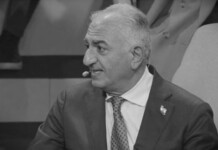
Ahmad Khatami, senior cleric, member of the Guardian Council, and a key figure in the Assembly of Experts, dismissed the Reforms Front’s initiative as a dangerous concession.
“Some people—who really aren’t significant—issued a negative statement, basically translating Netanyahu’s words into Persian,” Khatami declared during Friday prayers. He accused the signatories of spreading division and dishonor, insisting that Iran would never accept what he described as a “humiliating prescription.”
Khatami specifically condemned the call for halting nuclear enrichment and initiating direct talks with the United States. “This is the same U.S. that killed General Qassem Soleimani, violated every agreement, and attacked our facilities. And now they want us to negotiate directly with them? Last year, the Supreme Leader said negotiations with the U.S. are neither wise, nor smart, nor honorable. These people are basically encouraging dishonor.”
He further accused the statement of echoing American and Israeli narratives by questioning the sovereignty of the Iranian people and raising issues of political repression.
State Media and Clerical Allies Join the Attack
The backlash was echoed across regime-controlled outlets and pulpits. The state-run Rasa News Agency branded the initiative “America’s unfinished business completed” and compared it to “the positions of anti-revolutionary groups before their armed uprising.”
Ahmad Alamolhoda, Friday Prayer leader of Mashhad, denounced the statement as “a list of America’s dictated demands,” likening its supporters to “the Ash’ath ibn Qais of our time”—a historical figure reviled for betrayal. He warned that acceptance of IAEA oversight and direct U.S. talks would mean “abandoning the principles of resistance against arrogance.”
In Ilam, Friday Prayer leader Allah Nour Karimi Tabar invoked Libya’s downfall as a cautionary tale: “This statement follows exactly the path Libya took—giving up weapons and negotiating with America, which ultimately led to Gaddafi’s fate.”
Tasnim News Agency, affiliated with the IRGC, amplified the criticism, calling the proposal a “virus of Western admiration” and warning that halting enrichment and opening direct talks would “throw open the doors of the country to foreign powers.”
A Structural Crisis Exposed
The uproar over the Reforms Front’s statement underscores the regime’s fundamental deadlock. Beyond the nuclear issue, the conflict reflects Tehran’s inability to redefine its survival paradigm. Trapped between intensifying its current course of repression and confrontation or making concessions that could accelerate its downfall, the regime faces mounting internal and external pressures.
The furious clerical and media response demonstrates that even limited calls for reform or dialogue are perceived by the regime as existential threats—further exposing the fragility and deepening crisis of the ruling system.