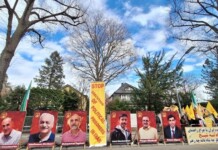
Thousands gather in Paris as Maryam Rajavi calls for resistance, unity, and international action against executions in Iran
As Iran’s ruling establishment increasingly turns to executions in a bid to suppress dissent and rising unrest, a powerful and unified message emerged from Paris: “No Shah, No Mullah— Yes to a Democratic Republic.”

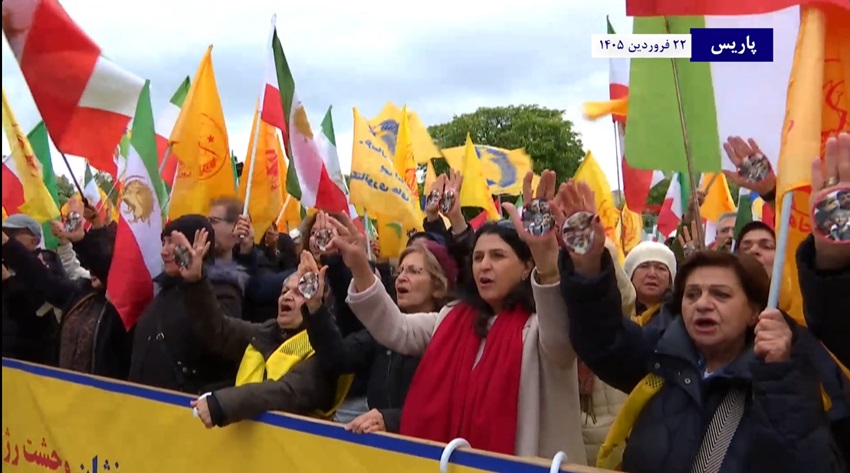
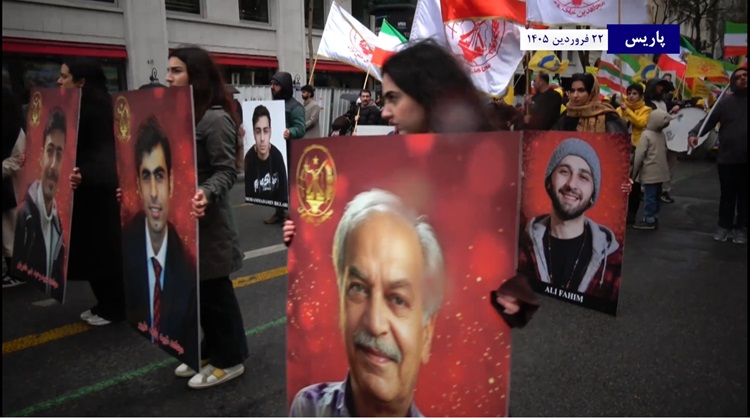
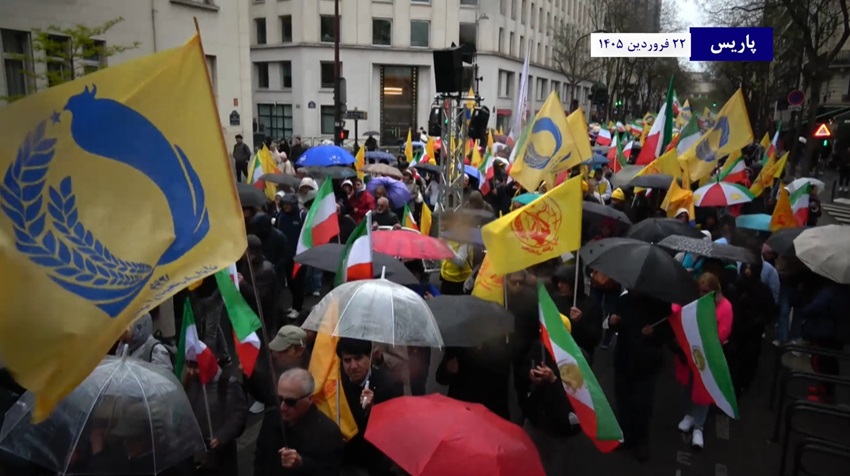
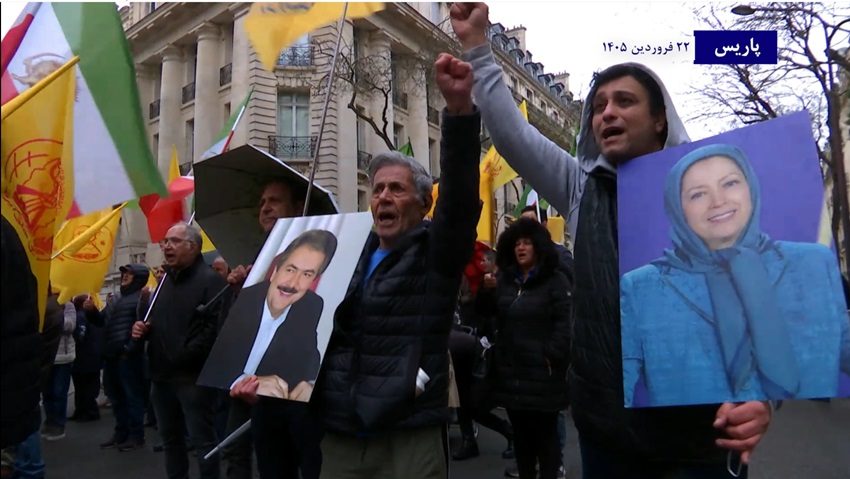
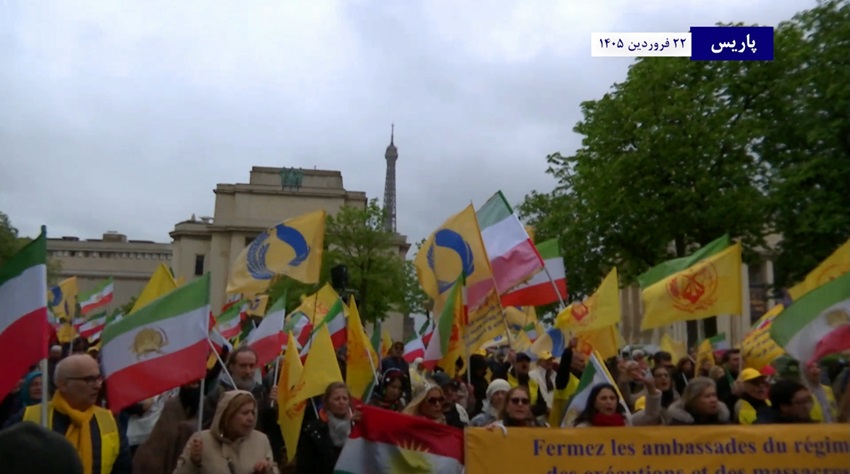
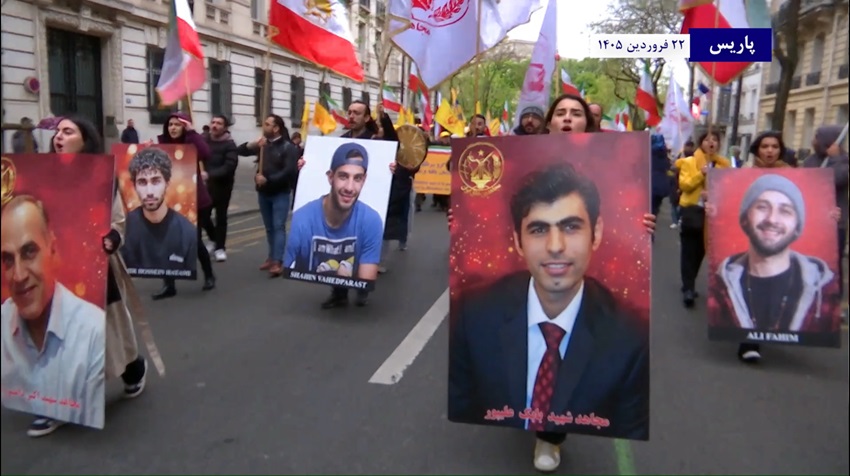
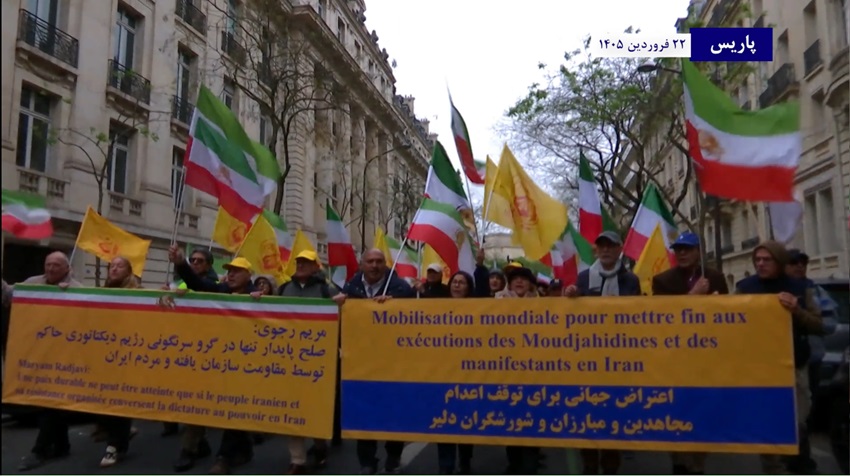
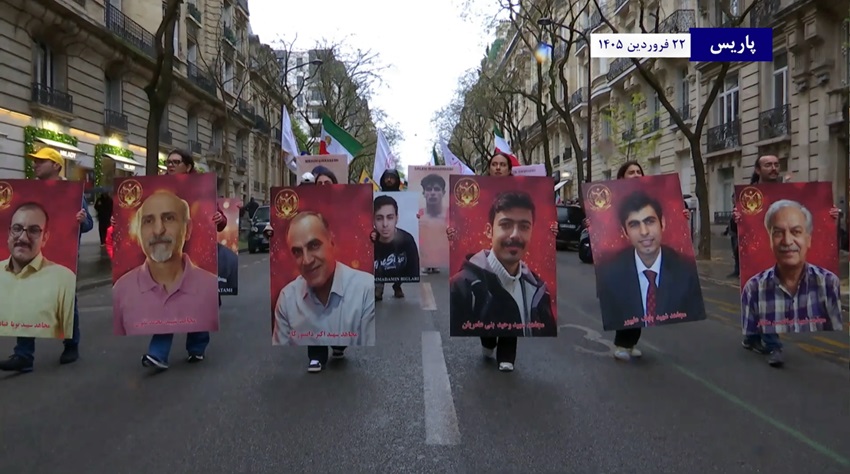
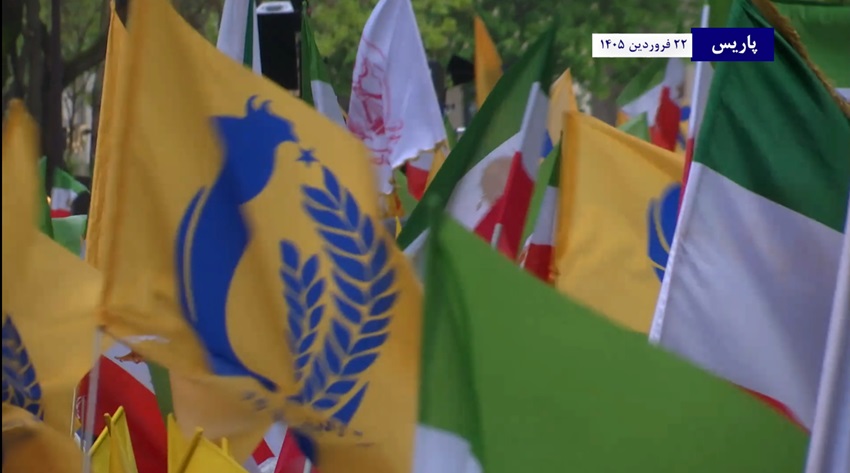
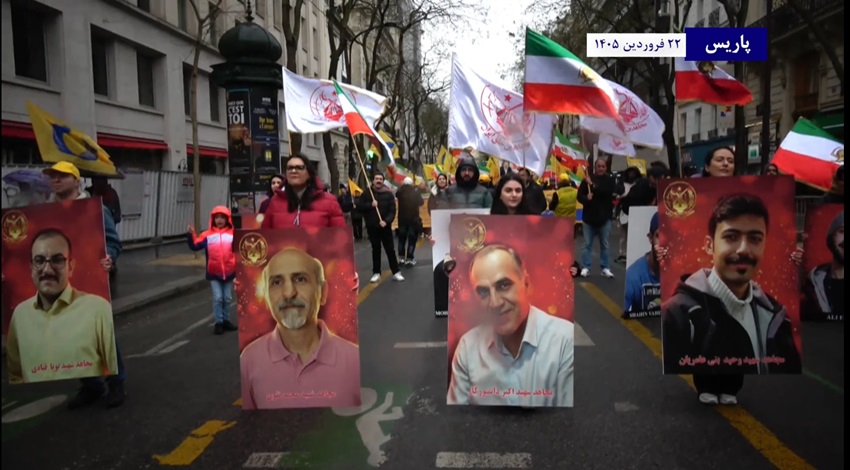
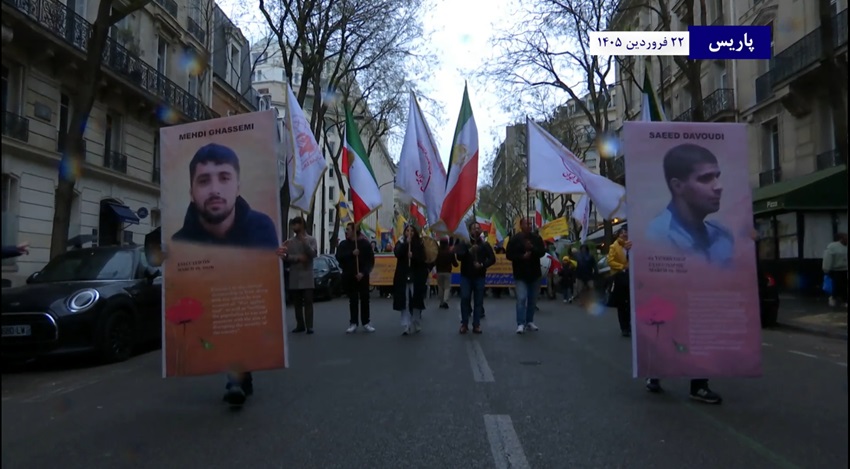
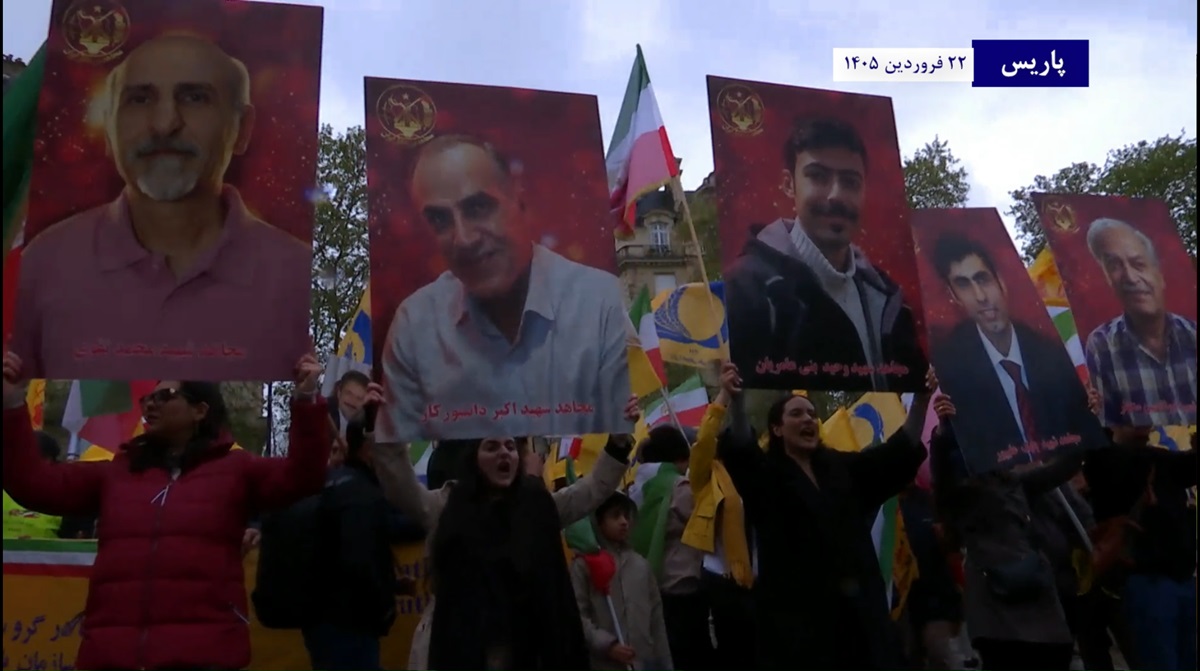
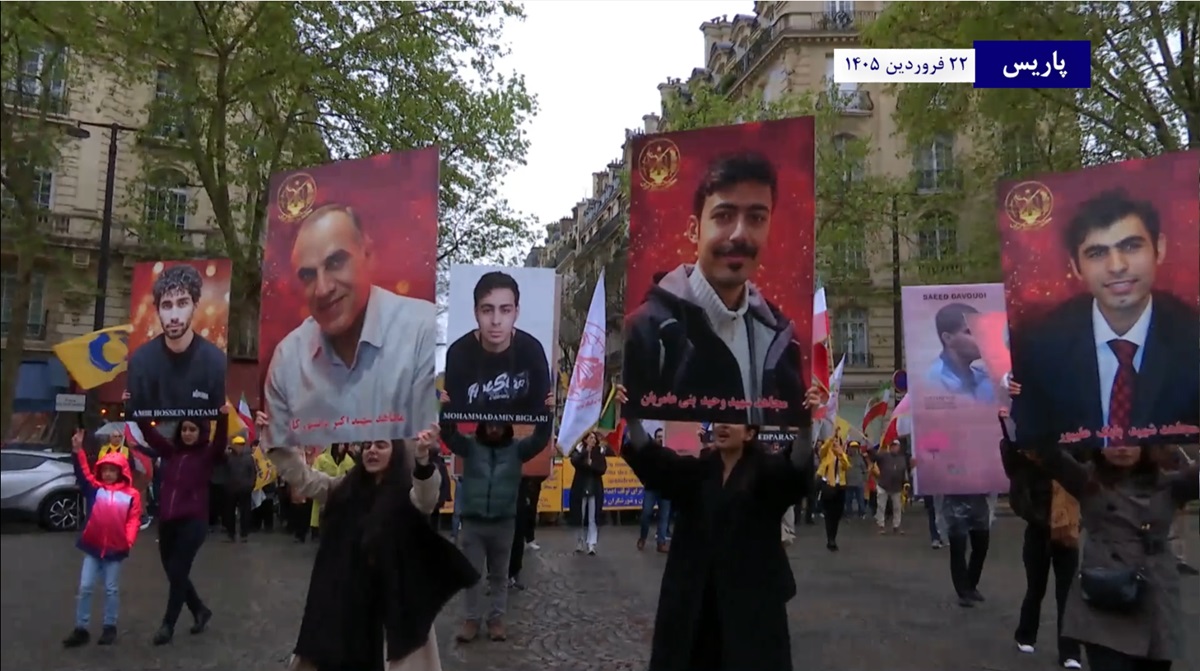
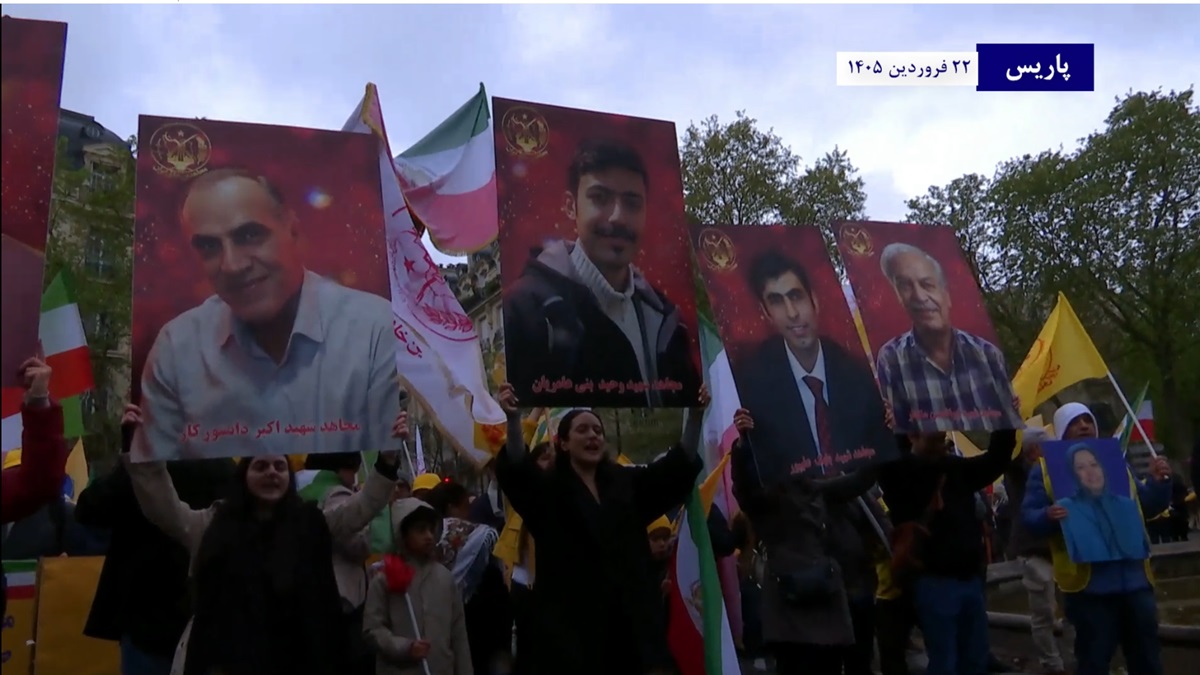
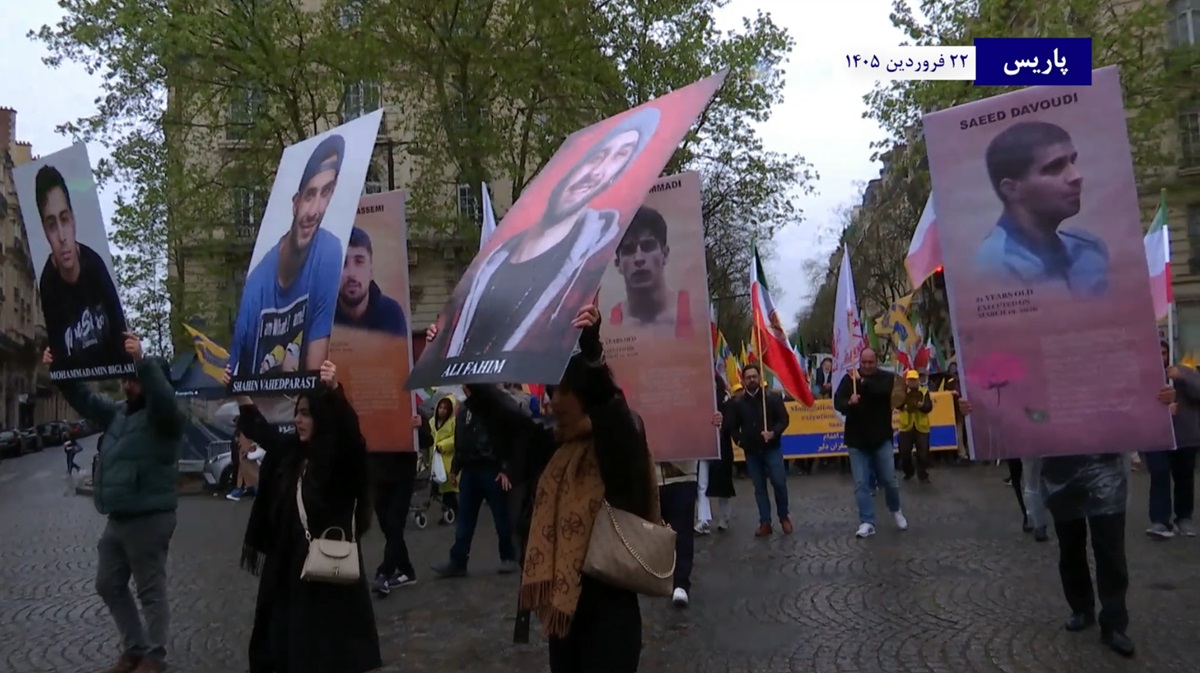
On Saturday, April 11, thousands of Iranians and supporters of the Iranian Resistance gathered in the French capital in a large-scale demonstration condemning the execution of members of the People’s Mojahedin Organization of Iran (PMOI/MEK) and young protesters. The rally became a focal point of defiance, reflecting both grief and determination in the face of intensifying repression.
International media outlets highlighted the scale and significance of the event. Coverage noted that thousands assembled at Place du Trocadéro, voicing their rejection of both monarchical and theocratic rule while calling for a democratic alternative. The central slogan—firmly rejecting both past and present forms of dictatorship—captured the evolving political consciousness among Iranians at home and abroad.
Rajavi: Resistance Is the Path to Freedom
In a message addressed to the demonstrators, Maryam Rajavi described the gathering as a reflection of a nation on the brink of transformation.
“Your gathering today is a flame of the Iranian people’s Resistance and uprising; people who are counting the days to achieve freedom and popular sovereignty, and who have raised the banner of peace and freedom.”
She emphasized that recent uprisings have pushed Iran “to the threshold of change,” while accusing the ruling clerics of exploiting war conditions to intensify repression and halt the momentum of organized resistance.
“The ruling clerics have seized upon war as an opportunity to tighten the noose and block the path of a new generation of resistance and uprising.”
Referring to the execution of 13 PMOI members and young protesters, Rajavi acknowledged the profound loss but underscored the broader political significance:
“Their rise under the grip of inhuman repression… carries a powerful message. The message is that a resolute generation… has stepped onto the battlefield… determined to replace this reactionary system with a democratic republic, freedom, and the sovereignty of the people.”
She framed the executions not as a sign of strength, but of a regime nearing its end:
“The successive executions… reflect the desperation of a regime that has reached its end. These killings further underscore the legitimacy and necessity of resistance to overthrow the regime.”
A Strategic Vision: Peace, Resistance, and Accountability
Rajavi laid out a multi-point framework for Iran’s future, centered on democratic transition and international responsibility.
She reiterated the Resistance’s longstanding position:
“The slogan of the Iranian Resistance and the provisional government has always been, and remains, peace and freedom.”
While welcoming a ceasefire—particularly one that halts attacks on civilian infrastructure—she stressed that lasting peace depends on fundamental political change:
“Lasting peace can only be achieved through the overthrow of the religious dictatorship… and the establishment of a democratic republic.”
Rajavi also rejected both the regime’s militarism and calls for escalation from monarchist factions:
“The warmongering of the ruling religious fascism, as well as calls… to escalate the war, have nothing to do with the Iranian people.”
Calling for global accountability, she sharply criticized international inaction:
“The silence of the international community… is unjustifiable and a continuation of the policy of appeasement.”
She urged concrete steps, including:
“We call on the United Nations to convene a special session… and demand binding and immediate decisions by the UN Security Council to save those prisoners currently facing execution.”
Broad Political Support and a Growing Movement
Speakers at the rally, including political figures and representatives of Iranian communities, converged on a common assessment: executions are a manifestation of the regime’s fear of an expanding resistance movement.
They argued that a new generation of activists is joining organized networks such as Resistance Units, signaling a shift toward more structured opposition. Several participants rejected hereditary rule outright, asserting that governments confident in their legitimacy do not rely on executions to maintain control.
Others highlighted that the regime’s use of capital punishment is intended to deter rebellion, yet has instead intensified public anger and strengthened calls for systemic change.
A Defining Slogan for Iran’s Future
Throughout the demonstration, chants such as “We stand to the end” and “All of Iran says: No Shah, No Mullah” underscored a unifying national sentiment. The message was clear: the path forward rejects both a return to monarchy and the continuation of clerical rule.
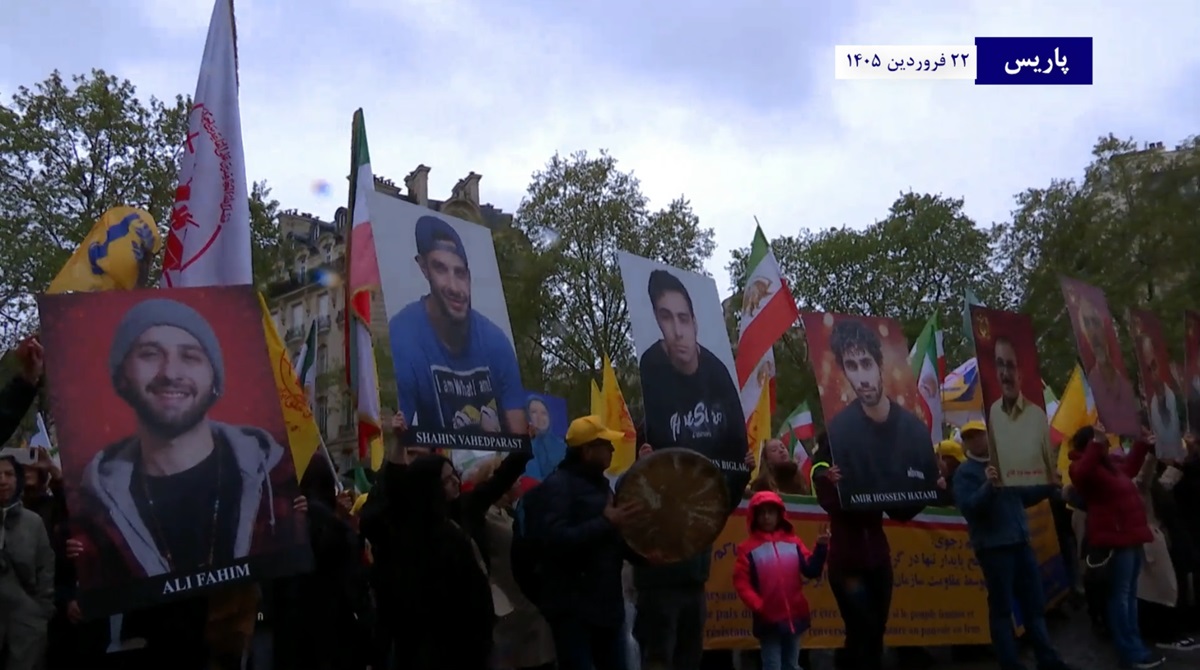
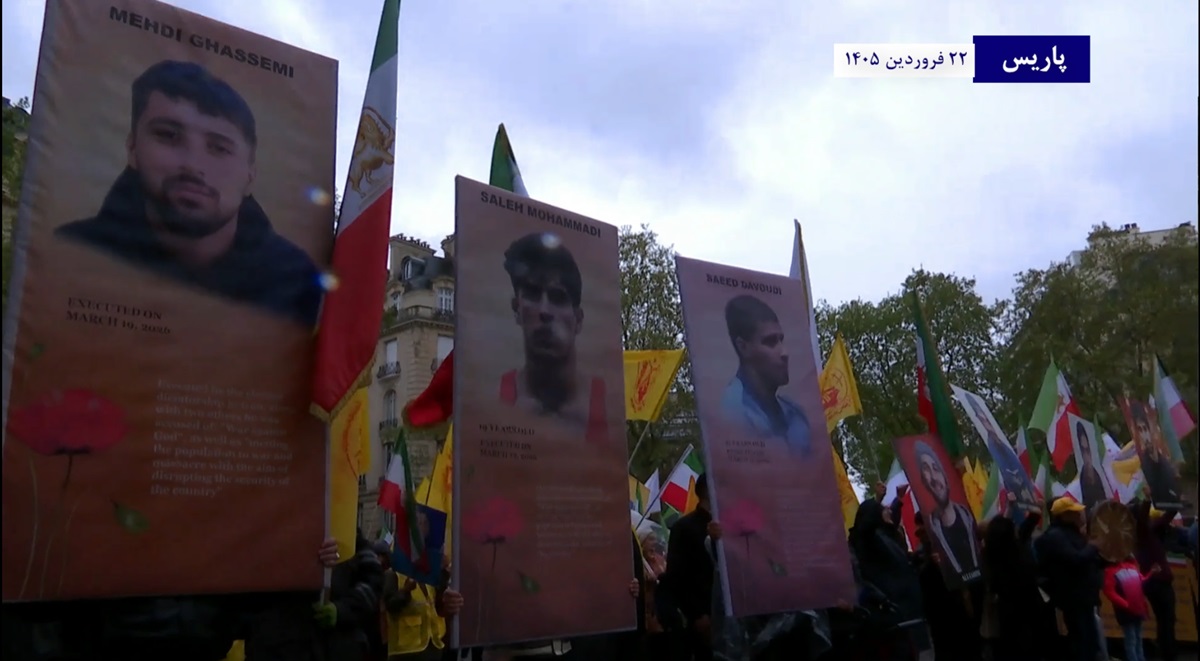
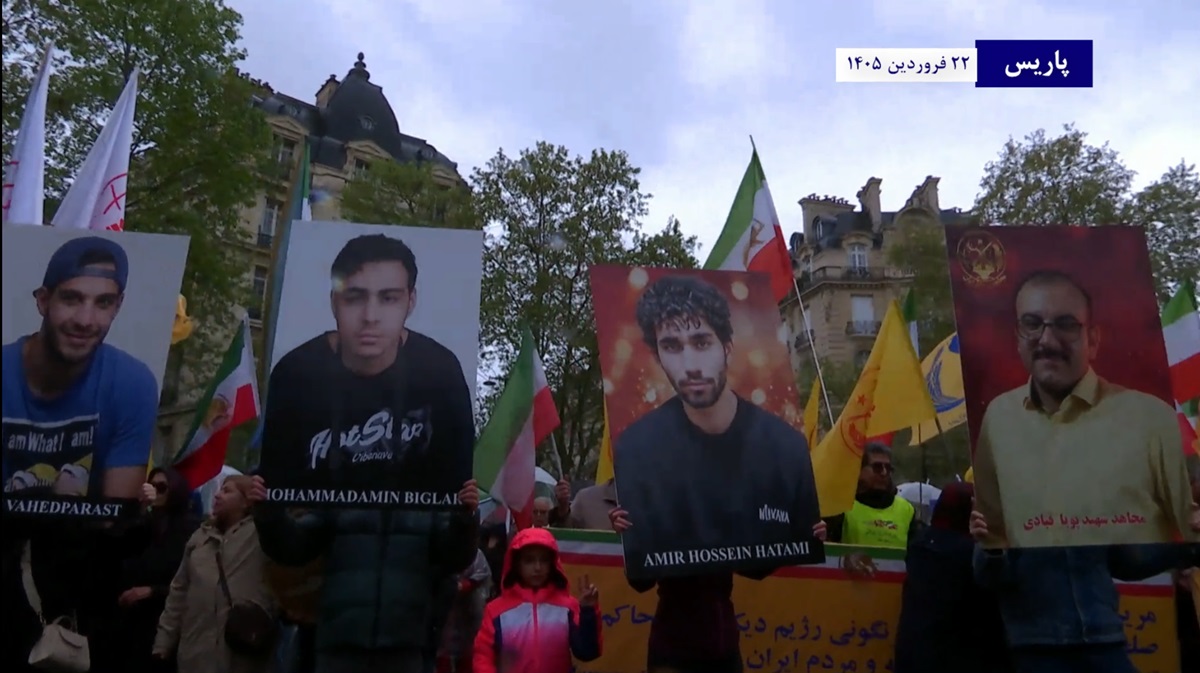
Instead, the rally projected a vision rooted in democratic governance, popular sovereignty, and organized resistance.
As Rajavi concluded:
“May the dark era of tyranny, war, and destruction be overcome by an era of freedom and popular sovereignty, an era of peace and freedom.”