
Source: The Times (April 8, 2025)
As the spotlight turns once again to Iran–U.S. relations, a significant development is unfolding behind the scenes — one that could shape the direction of future negotiations and the security dynamics of the Middle East.
According to a report by The Times (UK), Iran’s regime has secretly transferred long-range surface-to-surface missiles to its proxy militias in Iraq for the first time. These weapons, reportedly capable of reaching parts of Europe, signal a bold expansion of Iran regime’s military footprint just as the country prepares to reenter official nuclear negotiations with the United States.
The missile shipments were delivered last week and are believed to have been coordinated by the Islamic Revolutionary Guard Corps (IRGC) Air Force. Alongside these long-range systems, sources indicate that other missile types — including the Quds 351 cruise and Jamal 69 ballistic missiles — were also smuggled across the border.
This arms transfer directly contradicts recent claims by some Iraqi officials that Tehran-backed militias were preparing to disarm in response to U.S. pressure. While Iraqi political figures had suggested ongoing talks to de-escalate tensions, sources quoted by The Times say the disarmament narrative may have been a strategic smokescreen.
Why It Matters
These developments come at a time when Iran’s regime is viewed as militarily weakened. It has recently suffered setbacks, including damage to air defense systems around nuclear sites, the loss of influence in Gaza and Lebanon, and regional blowback from the fall of the Assad government in Syria.
Speaking from the White House on Tuesday, U.S. President Donald Trump warned Tehran of the consequences if negotiations — expected to take place in Oman — fail. “If the talks aren’t successful, I actually think it’ll be a very bad day for Iran,” he said, standing beside Israeli Prime Minister Benjamin Netanyahu.
Meanwhile, the U.S. continues to target Iran regime’s regional allies. Just this week, American strikes in Yemen killed Abdul Nasser al-Kamali, a senior Houthi intelligence official. Within Iraq, however, Iranian-backed militias maintain a deeply rooted presence, some dating back to post-2003 invasion dynamics and holding strong anti-American views.
Analysts Weigh In
According to William Alberque of the Stimson Center, Iran regime’s latest moves appear designed to keep its remaining allies loyal and combat growing disillusionment within proxy ranks. “Some militia leaders have been exploring political roles and demilitarization,” he explained. “Iran may be offering increased support to pull them back into the fight — or at least keep them close.”
While these moves reinforce Tehran’s strategic toolkit, they also risk further destabilizing Iraq — a country already wary of being caught in the crossfire. Public discussions across Iraqi media and political circles have increasingly warned against turning Iraq into another Lebanon.
The Road Ahead
Whether Iran regime’s missile deliveries strengthen its hand in diplomacy or provoke harsher countermeasures remains to be seen. What is clear is that Tehran continues to leverage regional proxies to expand its influence — even while stepping into negotiations that could shape the next phase of its foreign policy.
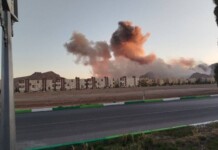
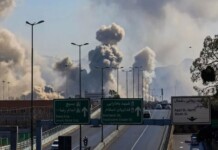



, Iran has secretly transferred long-range surface-to-surface missiles to its proxy militias in Iraq for the first time.)