
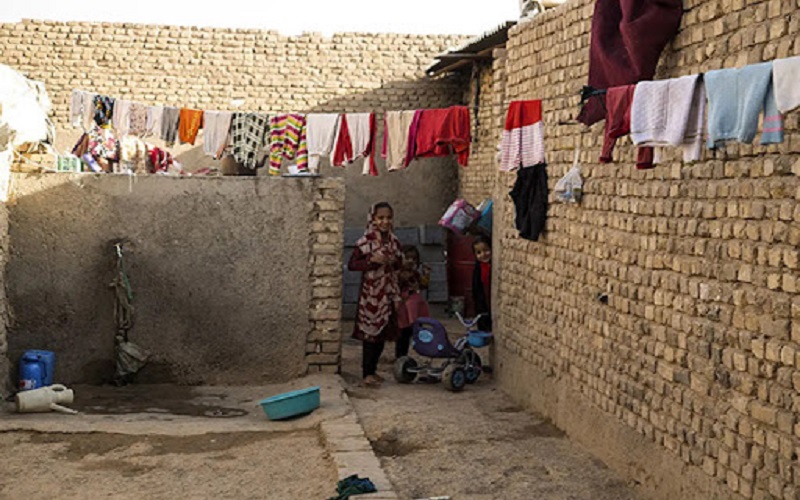

A closer look at the misery index across Iran’s provinces reveals alarming disparities in economic and social well-being. With rampant inflation and a decline in purchasing power, at least 15 provinces experience misery index levels above the national average, highlighting the severe impact of poverty and unemployment on millions of Iranians.
Ardabil: The Worst-Affected Province
According to the latest reports from Iran’s Statistics Center, Ardabil province recorded the highest misery index in the country during fall 2024, standing at 45.3 points. This figure stems from an inflation rate of 35.2% in December and an unemployment rate of 10.1%. Such conditions reflect the dire state of welfare and livelihoods for Ardabil’s residents. Similarly, Khuzestan and Kerman provinces followed closely, with misery index levels of 44.1 and 43.5, respectively, placing them among the provinces with the worst living conditions.
Questionable Accuracy of Official Statistics
Economic experts argue that official statistics from the Statistics Center and the Central Bank often fail to reflect Iran’s economic realities accurately. Discrepancies are frequent; for example, while the Statistics Center reported an annual inflation rate of 41% in September 2024, Central Bank Governor Abdolnaser Hemmati cited a significantly higher figure of 52%. Such inconsistencies cast doubt on the reliability of official economic indicators.
Understanding the Misery Index
The misery index is a key economic measure combining two critical indicators: the inflation rate and the unemployment rate. By summing these rates, the index reflects the economic hardship experienced by a society. As per the Statistics Center’s reports, Iran’s annual inflation rate at the end of December 2024 was 32.5%, while the seasonal unemployment rate for fall was 7.2%, resulting in a national misery index of 39.7. However, given the significant price hikes for basic goods in recent months, experts question the accuracy of these figures.
The Human Cost of High Inflation and Poverty
High inflation has disproportionately affected the most vulnerable segments of society, reducing average calorie consumption among lower-income households and exacerbating absolute poverty. The Parliamentary Research Center reports that over 50% of Iranians cannot afford the standard daily requirement of 2,100 calories. Moreover, the Central Bank’s announcement of a 2024 poverty line at 20 million tomans underscores the severity of the crisis. With the minimum monthly wage at 7,166,184 tomans, a substantial proportion of Iranian households fall below the poverty line. Field estimates suggest that in major cities, the poverty line now exceeds 35 million tomans, placing at least 40 million Iranians in poverty.
Regional Variations in Misery Index
Among the provinces with a misery index below the national average, Sistan and Baluchistan recorded the lowest figure at 35.3 points. Despite having the highest unemployment rate of 12.5% in fall, the province’s relatively low inflation rate of 22.8% contributed to its better standing compared to other regions. Zanjan province, previously the province with the lowest misery index during the summer, ranked second at 35.5 points, followed by Mazandaran province with 36.2 points.
Conclusion
The misery index provides a stark measure of economic hardship across Iran, exposing deep-rooted issues of poverty, unemployment, and inflation. While official statistics attempt to quantify these challenges, discrepancies and doubts about their accuracy highlight the need for greater transparency. Addressing these systemic issues requires not only accurate data but also comprehensive policies aimed at reducing inequality and improving livelihoods for all Iranians.