



Ongoing discussions surrounding the Iranian nuclear program occupy a significant space in international diplomacy, and rightly so, given the potential implications of a nuclear-armed Iran. However, focusing solely on this prospect risks obscuring another critical dimension of the Iranian regime’s destabilizing influence: its extensive network of proxy forces.
These non-state actors, cultivated and supported by Tehran, represent a persistent and multifaceted threat to global peace and security, a danger that continues unabated and may even be exacerbated amidst the complexities of nuclear negotiations.
The activities of these proxies extend far beyond the immediate region, impacting international trade, fueling conflicts, and demonstrating a disregard for sovereign borders, thereby warranting an unwavering focus irrespective of the trajectory of nuclear talks.
The Iranian regime has strategically employed proxy forces as a cornerstone of its foreign policy, utilizing these groups to project power, exert regional influence, and achieve its strategic objectives without engaging in direct military confrontations that could invite retaliation against Iranian territory.
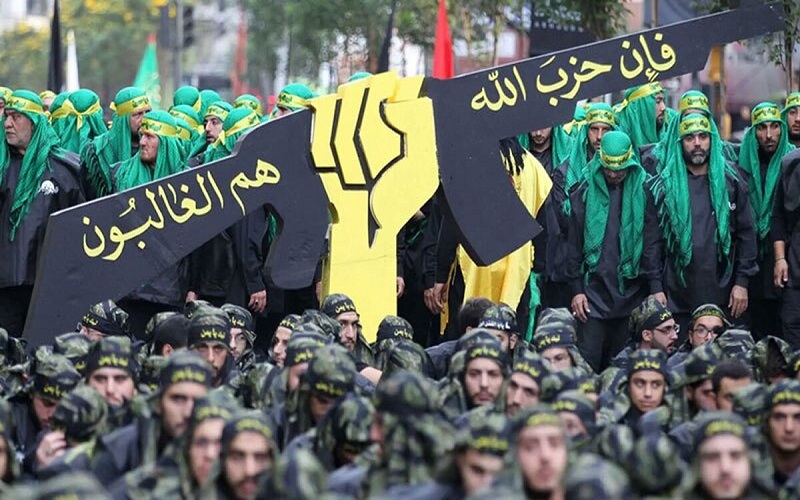
This approach allows Tehran to maintain a degree of deniability while actively shaping the geopolitical landscape of the Middle East and beyond.Among the most prominent of these proxies is Hezbollah in Lebanon. With a history of operations spanning decades, Hezbollah has evolved into a formidable military and political force within Lebanon, possessing significant military capabilities and wielding considerable influence over national decisions.
While facing internal frustrations and a potential shift towards domestic preservation following recent setbacks, Hezbollah still remains a key component of Iran regime’s regional strategy. In Yemen, the Houthis have emerged as another powerful proxy, controlling substantial territory and engaging in disruptive actions that extend to the vital Red Sea shipping lanes.
Their attacks on international commerce and naval vessels, despite facing sustained military pressure, underscore their commitment to Iran regime’s broader objectives and their capacity to destabilize global trade. Furthermore, Iran has cultivated a network of militias in Iraq.
These groups, maintain a significant presence and influence in. Even with potential shifts towards local power consolidation, these militias remain aligned with Tehran’s overarching goals and have recently been reported to have received advanced missile systems from Iran, highlighting their continued strategic importance. The concept of the “Axis of Resistance,” encompassing these core groups, illustrates Iran regime’s strategic vision for a unified front against its adversaries, even as individual members adapt their tactics to local circumstances.
Mrs. Maryam Rajavi, the President-elect of the National Council of Resistance of Iran (NCRI), has consistently warned that the Iranian regime’s support for global terrorism poses a more significant danger than its nuclear ambitions. This perspective argues that the immediate and widespread impact of terrorism and proxy warfare on global stability is more pronounced than the potential future threat of a nuclear weapon.
The regime’s active and ongoing support for these destabilizing activities has tangible consequences across various regions, fueling existing conflicts and contributing to humanitarian crises. The decentralized nature of these proxy networks makes them particularly challenging to contain and counter, potentially more so than a centralized nuclear program.
Rajavi’s emphasis on the immediate dangers of the regime’s “export of war” underscores a critical viewpoint that prioritizes the current destabilizing actions over the future possibility of nuclear proliferation. This stance reflects the NCRI’s long-held belief that the fundamental nature of the Iranian regime, characterized by its pursuit of regional dominance through violence and extremism, is the primary threat to international peace.
Recent events over the past year vividly illustrate the continuing danger posed by these proxy forces. Despite ongoing diplomatic efforts, Hezbollah’s engagement with Israel along the Lebanese border remains a persistent source of tension. Israeli military operations against Hezbollah infrastructure and operatives have been frequent, with numerous airstrikes reported targeting commanders and facilities.
For instance, in the week of April 14-20, 2025, the Israel Defense Forces (IDF) conducted numerous strikes in Lebanon, resulting in the deaths of several Hezbollah operatives, including commanders. These operations, often described by the IDF as targeting terrorist infrastructure cynically using civilian areas , highlight the ongoing volatile situation.
While the snippets do not detail specific retaliatory actions by Hezbollah within this timeframe, the consistent Israeli military activity suggests a continued level of engagement and perceived threat. Furthermore, the Lebanese army has on occasion intervened to prevent rocket attacks against Israel, indicating the precariousness of the ceasefire and the potential for escalation.
The Houthis in Yemen have continued their disruptive actions in the Red Sea, posing a significant threat to global trade and security. Despite the ongoing US and UK airstrike campaign, including Operation Poseidon Archer and Operation Rough Rider, the Houthis have persisted in their attacks on international shipping.
These attacks have had a tangible impact on the flow of goods through this crucial waterway, forcing companies to seek costly alternative routes. The US military has conducted numerous strikes targeting Houthi infrastructure, including fuel stockpiles and weapons depots, with the Houthis reporting significant casualties.
For example, a US airstrike on the Ras Isa oil port in April 2025 reportedly marks one of the severe attacks in the US campaign against the Houthis. The Houthis have also claimed to have targeted US aircraft carriers in the Red Sea and Arabian Sea, although these claims have not been independently verified by US authorities.
Their continued ability to launch missiles and drones despite sustained military pressure underscores their resilience and the ongoing support they receive from the Iranian regime, posing a persistent danger to maritime security.
In Iraq, while there have been discussions about the potential disarmament of Iran-backed militias in the face of US pressure , reports indicate that Iran’s regime continues to supply these groups with advanced weaponry, such as the delivery of Arqab cruise missiles and Jamal 69 ballistic missiles in early April 2025.
While a major attack on US forces was not reported in the provided snippets within the April 2024-April 2025 timeframe, an incident in April 2024 saw five rockets fired from Iraq towards the Kharab al-Jir base in Syria, which houses US and coalition soldiers.
Although no US personnel were injured, this event demonstrates the continued capability and willingness of these militias to target US interests in the region. The differing opinions among militia leaders regarding disarmament also highlight the complex and potentially unstable nature of these groups, suggesting that they remain a potent force capable of destabilizing the region.
The ongoing nuclear talks, while crucial for addressing the potential threat of a nuclear-armed Iran, may not directly tackle the dangers posed by its proxy forces. The Iranian regime’s strategic motivations for cultivating and utilizing these groups extend beyond its nuclear ambitions.
These proxies serve as critical tools for projecting regional hegemony, allowing Iran’s regime to exert influence across the Middle East and establish a dominant role. They also provide a means for engaging in asymmetric warfare against the countries in the region, without risking direct military confrontation and retaliation against the regime’s territory.
Furthermore, supporting these groups aligns with the regime’s ideological goals of exporting its revolutionary principles and promoting its vision of Islamic governance. The activities of these proxy forces can also be used as leverage in negotiations with regional and international powers, including the US in the context of nuclear discussions.
The nuclear issue primarily focuses on preventing Iran from acquiring a nuclear weapon, whereas the proxy issue concerns its ongoing destabilizing activities and support for terrorism. These are distinct, albeit related, threats that necessitate separate and concurrent strategies to address effectively.
The multifaceted motivations behind Iran regime’s use of proxies suggest that even a successful nuclear agreement might not lead to a cessation of these activities, as these groups serve broader strategic goals deeply embedded in the regime’s foreign policy.
The implications of the Iranian regime’s proxy activities extend far beyond the immediate Middle East, posing a significant threat to global peace and security. The crisis in the Red Sea, directly instigated by the Houthi proxy, serves as a prime example of the impact on international shipping and trade, disrupting vital supply chains and increasing costs.
In regions like Yemen, Syria, and Iraq, the involvement of Iranian proxies has exacerbated existing conflicts and contributed to prolonged humanitarian crises, causing immense suffering and regional instability. The potential for escalation of these conflicts, drawing in other regional and global powers, remains a significant concern.
Moreover, the risk of these proxies engaging in terrorist attacks beyond the Middle East, as suggested by reports of Iranian espionage activities targeting opposition groups in Europe, cannot be discounted. Addressing these multifaceted threats places a considerable strain on international resources and diplomatic efforts, requiring a coordinated and comprehensive approach.
In conclusion, the danger emanating from the Iranian regime’s proxy forces remains a critical and persistent concern that demands sustained international attention and resolute action, irrespective of the progress or outcome of nuclear negotiations. A comprehensive strategy to address the Iranian regime threat must encompass robust measures to counter its proxy activities, recognizing that these groups serve broader strategic goals beyond the pursuit of nuclear weapons.
Continued international pressure on the Iranian regime to cease its support for these destabilizing entities is essential, alongside coordinated efforts to address the specific threats posed by each proxy force in their respective regions. The enduring shadow cast by Iran regime’s proxy network represents a significant and ongoing challenge to global peace and security, one that cannot be ignored in the pursuit of a more stable and secure international order.