


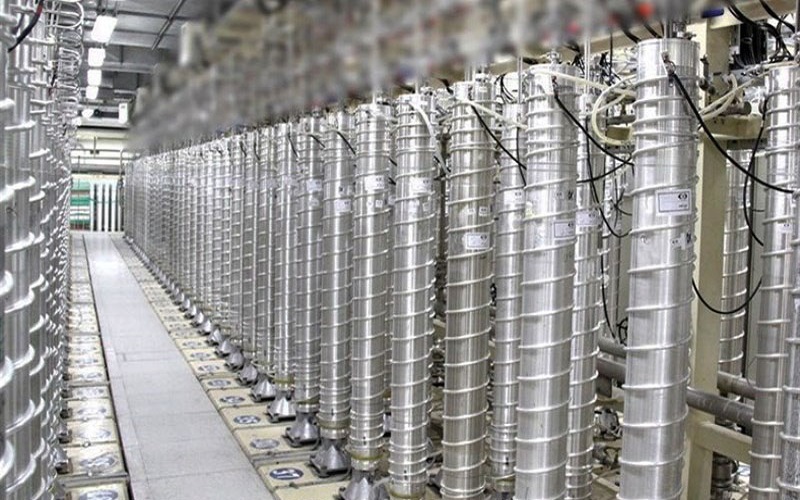

Recent media reports suggest that the Iranian regime has floated a new proposal in nuclear negotiations with the United States: the creation of a uranium enrichment consortium involving Arab countries under American supervision. At first glance, this may appear to be a step toward transparency and cooperation. However, a deeper analysis reveals that this initiative is a calculated maneuver designed to preserve and legitimize Iran’s controversial nuclear capabilities while reducing international pressure.
The Proposal: A Rebranded JCPOA?
First reported by the analytical outlet Amwaj (Tuesday 13 May 2025) and later covered by the New York Times and The Guardian, the proposal envisions a trilateral consortium between Iran, the United Arab Emirates, and Saudi Arabia. Under this plan, Iran would continue to enrich uranium up to 3.67%—the same level permitted under the 2015 Joint Comprehensive Plan of Action (JCPOA)—and transfer the material to Arab states for civilian use. Crucially, the plan also includes the permanent presence of foreign, possibly American, inspectors at Iranian nuclear sites.
Although this might seem like a compromise or even an improvement over the JCPOA—which had sunset clauses limiting its duration—this initiative should be treated with skepticism. It risks normalizing Iran’s enrichment activities while offering only the illusion of greater oversight.
The Real Agenda: Preserving the Nuclear Infrastructure
Unlike the JCPOA, which had fixed timelines and a mechanism to reimpose sanctions, Iran’s new proposal is reportedly “permanent.” This feature is being pitched as a selling point to the Trump administration, potentially allowing it to claim a diplomatic victory. However, in practice, it serves the regime’s interest by anchoring its enrichment capabilities as a permanent fixture of its energy—and possibly weapons—program.
More importantly, this approach enables Iran to maintain the infrastructure, technology, and expertise required to rapidly advance toward weaponization if and when it chooses to do so. While the plan places limits on enrichment levels and includes foreign observers, history has shown that Iran has repeatedly breached prior agreements and restricted international access when politically expedient.
Regional Buy-in or Strategic Shield?
By inviting Gulf Arab states to participate in the consortium, Iran is attempting to present the plan as a regional confidence-building measure. Yet this move is more about dividing the international front and gaining regional legitimacy than ensuring security. There is no evidence that Saudi Arabia or the UAE have formally endorsed the idea, and the lack of transparency surrounding recent diplomatic visits by Iranian officials to these countries only deepens the concerns.
The involvement of regional actors in Iran’s enrichment cycle could blur lines of accountability and make it more difficult to isolate Iran diplomatically in the future. Worse, it risks triggering a nuclear domino effect, prompting other states in the region to seek similar capabilities as a hedge against Tehran.
A Dangerous Illusion of Oversight
The inclusion of foreign inspectors may appear to enhance oversight, but it could ultimately backfire. Permanent American or international presence on Iranian soil may be tightly controlled or symbolic, lacking the authority to carry out snap inspections or access military sites—key safeguards required to verify the peaceful nature of nuclear activity.
Moreover, even the JCPOA, with all its mechanisms and international consensus, struggled to enforce compliance. A weaker and less clearly defined arrangement stands little chance of doing better.
A History of Deception
Iran’s track record in nuclear negotiations further undermines the credibility of this proposal. From its clandestine activities exposed in the early 2000s to its multiple violations of the JCPOA, the regime has consistently used negotiations as a tool to buy time, relieve pressure, and advance its nuclear knowledge under the radar. The new consortium plan fits into this pattern: a sophisticated tactic to reframe the conversation without surrendering core capabilities.
Conclusion: No Substitute for Dismantlement
The international community must see through this deceptive rebranding. A genuine solution to Iran’s nuclear threat must involve the verifiable dismantlement of its enrichment infrastructure, an end to uranium production, and full, unrestricted inspections by the International Atomic Energy Agency (IAEA). Anything short of this—including regional consortia that leave Iran’s capabilities intact—is a dangerous concession that undermines peace and security in the Middle East and beyond.
This proposal, cloaked in diplomatic language and regional cooperation, is not a path to stability. It is a smokescreen designed to preserve a malign project. The world should reject it.