In recent months, Iran has witnessed a terrifying surge in executions within its prison system, prompting growing outrage and mobilization both inside and outside the country. The “No to Execution Tuesdays” campaign—initiated by Iranian political prisoners and supported by activists, families, and ordinary citizens—has emerged as a powerful symbol of resistance against the regime’s systematic use of the death penalty.
A Deadly Trend: Two Executions Every Nine Hours
According to the latest figures from human rights sources, the month of Ordibehesht (April–May 2025) saw over 170 executions in Iran—a staggering and unprecedented toll. This translates to an average of two executions every nine hours, painting a grim picture of the regime’s escalating violence against its own people.
Of particular concern is the disproportionate targeting of Iran’s marginalized ethnic communities. Approximately 19% of those executed were Baluch citizens, a group that already endures entrenched structural discrimination and exclusion. The executions of Baluch, Kurdish, Arab, and religious minority prisoners continue to expose the regime’s deep-rooted use of the death penalty as a tool of political repression and racialized violence.
Political Motives Behind the Gallows
Contrary to the regime’s narrative that executions are part of routine criminal justice, activists argue that every execution in Iran today is inherently political. The Iranian regime’s judiciary and security forces routinely deny defendants access to fair trials, legal representation, or transparent judicial proceedings. Charges are often fabricated, confessions extracted under torture, and trials held behind closed doors.
In this context, the death penalty serves not justice, but fear. With growing unrest and worsening economic and social crises, the regime increasingly turns to executions as a mechanism of terror, aimed at silencing dissent, intimidating society, and deterring future uprisings.
Resistance From Within the Prison Walls
Despite the immense risks, resistance to this execution machine is growing—especially from within Iran’s prison system. Political prisoners, particularly women, have played a leading role in opposing the death penalty from behind bars. At Tehran’s notorious Evin Prison, incarcerated women involved in the “No to Execution Tuesdays” campaign gather every Tuesday, chanting slogans and expressing solidarity with victims’ families who protest outside.
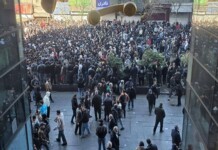
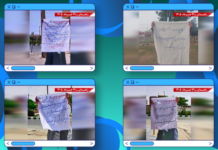
This weekly ritual of protest has become a nationwide act of defiance. Families of prisoners, along with youth and activists, have taken to the streets near prisons and government buildings, echoing the same cry: “No to Execution.”
This Tuesday, May 27, 2025 (6 Khordad 1404), marks the 70th week of the campaign. In an unprecedented show of unity, political prisoners in 45 prisons across Iran will join the campaign by launching coordinated hunger strikes—a powerful act of nonviolent resistance in protest of the state’s execution spree.
The 45 Prisons Participating in the Hunger Strike Include:
-
Evin Prison (Women’s Ward, Wards 4 & 8)
-
Ghezel Hesar Prison (Units 3 & 4)
-
Karaj Central Prison
-
Greater Tehran Prison
-
Khurin Prison (Varamin)
-
Choobindar Prison (Qazvin)
-
Arak, Khorramabad, Yasuj, and Mashhad Prisons
-
Dastgerd and Asadabad Prisons (Isfahan)
-
Sheiban and Sepidar Prisons (Ahvaz)
-
Adel Abad and Military Prisons (Shiraz)
-
Zahedan, Borazjan, Ramhormoz, Behbahan, Bam, and Kahnooj Prisons
-
Tabas, Gonbad-e-Kavus, Qaemshahr, Rasht, Rudsar, and Haviq Prisons
-
Azbaram Prison (Lahijan), Dizel Abad (Kermanshah), Ardabil, Tabriz, Urmia
-
Salmas, Khoy, Naqadeh, Miandoab, Mahabad, Bukan, Saqqez, Baneh, Marivan
-
Sanandaj, Kamyaran, and Fardis Prison (Karaj)
This extensive list highlights the nationwide scale of the campaign and the deep-rooted rejection of capital punishment among the incarcerated population.
International Responsibility: Silence Is Not an Option
The “No to Execution Tuesdays” campaign calls upon international human rights organizations, foreign governments, and global media outlets to break their silence and speak out forcefully against the regime’s use of executions as a tool of repression. The campaign especially urges those with access to international platforms to amplify the voices of Iranians demanding justice and dignity.
The systematic execution of prisoners—often from marginalized ethnic, religious, and political backgrounds—amounts to crimes against humanity and must be addressed as such by the global community. As the regime attempts to stifle resistance with fear and death, the message from Iran’s people remains clear: the right to life is not negotiable.
A Nation’s Cry: No to Execution
This campaign is more than a protest against individual acts of violence—it is a moral and national struggle to reclaim justice, humanity, and hope. From the gallows of Karaj to the hunger strikes in Zahedan, from women prisoners in Evin to families protesting in the streets of Sanandaj, a growing wave of Iranian voices is rising in unison:
No to execution. Yes to life. Yes to justice.