


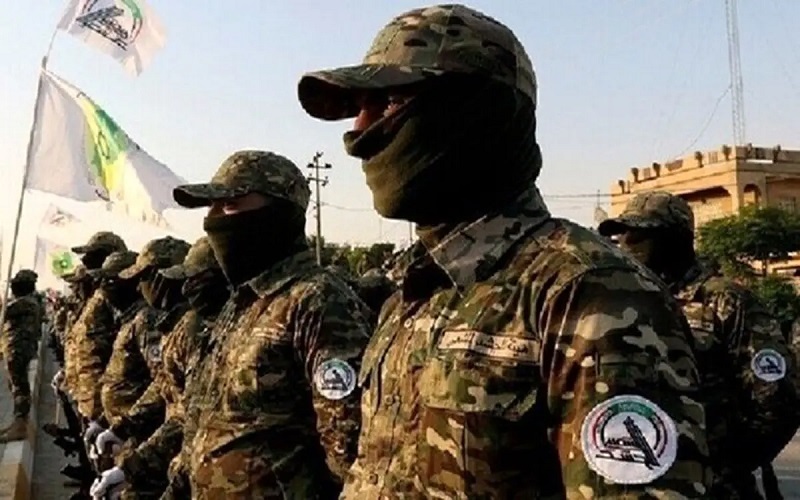

Shift in Iraqi leadership, economic interests of militias, and Iran’s weakened command structure undermine Tehran’s grip
The Economist has published an analysis highlighting the steady decline of the Iranian regime’s influence in Iraq. The report points to Iraq’s deliberate neutrality during the recent 12-day conflict between Iran and Israel as a clear sign that Tehran’s sway—especially among Iraq’s youth and emerging political class—is fading.
The analysis outlines three core developments that have accelerated this decline. First is the rise of a new generation of Iraqi politicians, many of whom emerged from the mass protests of 2020. Unlike their predecessors, they are openly critical of Iran-backed militias and less willing to align with Tehran’s regional agenda.
Second, the assassination of Qassem Soleimani in 2020 marked a turning point. Soleimani had played a pivotal role in managing Iran regime’s network of proxy groups in Iraq. His successor, Esmail Qaani, has struggled to maintain the same level of control and coordination, weakening Iran’s ability to steer Iraqi factions in its favor. As a result, many of these groups have shifted focus to domestic issues, reducing their reliance on—and alignment with—Iranian regime directives.
A third and critical factor is the evolution of Iran-backed militias into entrenched political and economic actors. Over the past decade, these groups have become deeply embedded in Iraq’s bureaucracy, with influence over key ministries and sectors such as oil and metal exports. While Iran initially encouraged their integration into Iraq’s political system to consolidate power, this strategy has now backfired. As these groups accumulate wealth and institutional power, they have developed vested interests that are increasingly at odds with Tehran’s confrontational posture, particularly in relation to the United States and Israel.
This shift became especially evident during the recent Iran-Israel conflict. Despite longstanding ties to Tehran, many of Iraq’s most powerful Iran-linked factions chose not to engage in support of the regime. Their reluctance reflected concerns over the potential for devastating retaliation from either Washington or Tel Aviv—something that could jeopardize their economic and political assets.
The Economist also notes the growing disorganization among pro-Iranian militias and affiliated political figures, particularly in the aftermath of leadership losses within the IRGC. These internal fractures are creating space for new, more independent Iraqi political movements to gain ground—movements that are less beholden to Iranian regime influence and more focused on national sovereignty.
Taken together, these trends suggest that the Iranian regime’s long-standing strategy of using militias to project power in Iraq is no longer yielding the results it once did. As Iraq’s political landscape continues to shift, Tehran faces mounting challenges in maintaining its role as a dominant player in the country.