



Amid Rising Tensions with Israel, Iran’s Regime Channels Billions into Armed Forces While Public Needs Remain Unmet
As tensions escalate with Israel, the Iranian regime is doubling down on military spending. On Sunday, July 13, 2025, Iran’s parliament approved the general framework of a bill aimed at significantly expanding the country’s armed forces. The move comes as the nation continues to grapple with sanctions, fiscal strain, and internal dissent.
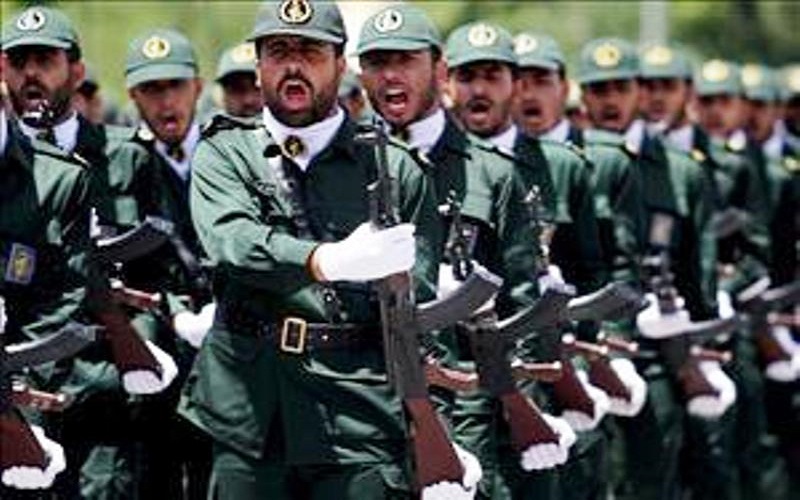
The bill, titled “Strengthening the Armed Forces in a Comprehensive Confrontation,” was announced by Ebrahim Rezaei, spokesperson for the National Security and Foreign Policy Commission. High-ranking officials from the Ministry of Defense, the General Staff of the Armed Forces, the Islamic Republic of Iran Army, and the Islamic Revolutionary Guard Corps (IRGC) participated in the parliamentary session, which resulted in the approval of a single-article bill with three clauses.
A Strategic Reprioritization
Initially introduced on June 16 by Tehran MP Ali Khezrian and backed by 120 parliament members, the proposal mandates full financial support for the armed forces and supplemental funding for the General Staff. While still undergoing review by the Defense Committee, its swift passage through the first phase indicates the regime’s firm commitment to consolidating military strength.
This shift comes at a time of intense geopolitical pressure. With ongoing hostilities and the looming threat of direct confrontation with Israel, the Iranian regime leadership appears determined to position military readiness above all else. In official remarks, Rezaei stressed the importance of unlocking all available defense resources, including previous years’ unpaid funds and restricted assets held by the Central Bank.
A Sharp Rise in Military Funding
The 1404 (2025) national budget reflects this new focus, allocating roughly 865 trillion tomans to the armed forces, including the IRGC’s Khatam al-Anbiya headquarters and the Ministry of Intelligence. This represents a 76% increase compared to the 496 trillion tomans approved for 1403 (2024).
A considerable share of this expanded budget is earmarked for military retirees, including those in intelligence services. This aspect of the bill has raised eyebrows, as it appears to serve not only strategic goals but also aims to reinforce loyalty among key regime personnel.
Favoritism Toward the IRGC
Previous reports, including budget analyses from March 2024, revealed disproportionate allocations favoring the IRGC over the regular army. This trend continues with the latest bill, underscoring the regime’s dependence on the IRGC not only as a military entity but as a political and economic force central to regime stability.
Missile and Aerospace Development Continues Unabated
Alongside conventional military investments, Iran’s regime continues to advance its missile and space programs. According to an April 2025 Bloomberg report, these projects remain active despite the country’s strained economic condition. The regime has not disclosed the cost of its space program, further obscuring the scale of its military expenditure.
The ongoing development of these technologies highlights the regime’s ambition to project power beyond its borders, even as internal challenges mount. The continuation of these projects amid budgetary constraints points to a deliberate strategic choice rather than mere oversight.
Regime Strategy or Risky Gamble?
While the regime frames its actions as essential for national defense, critics view the current trajectory as dangerously unbalanced. The choice to dramatically increase military funding without parallel investment in public services has prompted debate over whether the regime is addressing external threats at the cost of internal cohesion.