



Foreign Minister Wadephul calls for urgent diplomacy as Europe weighs triggering return of sanctions on Tehran
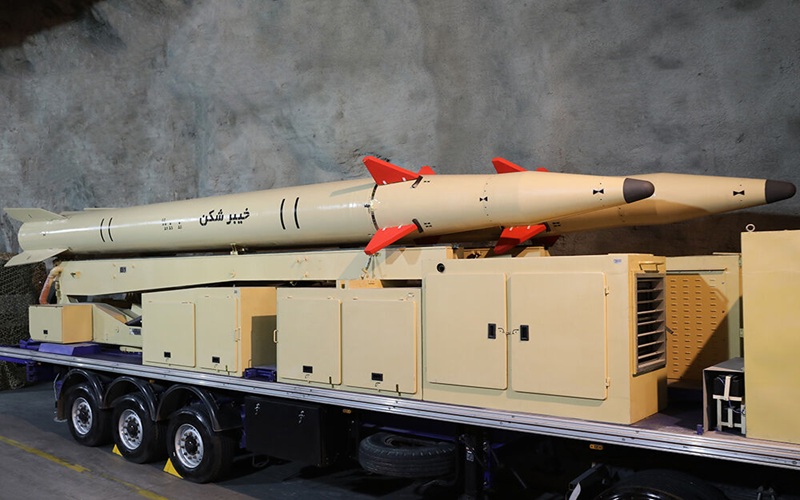
German Foreign Minister Johann Wadephul has issued a stark warning about the growing threat posed by Iran’s long-range missile program, stating that it endangers not only Israel but also the European continent. He urged that missile restrictions be placed at the center of any renewed negotiations with Tehran—though he also expressed skepticism about the prospects for diplomatic progress.
In an interview with Politico’s podcast on Saturday, August 2, Wadephul acknowledged the fragile state of the Iranian regime following targeted strikes by the United States and Israel on its nuclear infrastructure. While affirming that talks between Tehran and European countries are still technically ongoing, he offered a sobering assessment of their value.
“Negotiations About Negotiations”
Wadephul described the ongoing diplomatic engagement between the European Troika—Germany, France, and the United Kingdom—and the Iranian regime as little more than talks about talks. Nevertheless, he emphasized that Europe remains committed to a diplomatic solution, rather than a military confrontation, to resolve the escalating crisis surrounding Iran’s nuclear and missile programs.
The three European signatories to the 2015 Joint Comprehensive Plan of Action (JCPOA) have previously announced their readiness to activate the agreement’s “trigger mechanism”—a move that would automatically reimpose UN sanctions on Tehran—if the regime fails to fulfill its obligations.
However, Wadephul confirmed that diplomatic channels remain open, and that European officials have not ruled out extending deadlines if Iran demonstrates cooperation.
“Iran Must Never Acquire Nuclear Weapons”
During the interview, the German Foreign Minister underscored one of Europe’s red lines: preventing Iran from developing nuclear weapons.
“It is absolutely clear that Iran must never be allowed to acquire nuclear weapons,” Wadephul said, adding that Tehran must halt all enrichment activities and nuclear technologies that have no civilian justification.
He stressed that Iran’s nuclear ambitions are not the only concern. The regime’s long-range missile program—which has grown significantly since the JCPOA—poses an additional and direct threat to Europe, and therefore must be included in any new agreement.
Missiles Must Be on the Table
Wadephul’s remarks echo growing concern among Western policymakers that Iran regime’s missile development has gone largely unchecked. Prior to the recent 12-day war in the region, the Washington Institute for Near East Policy warned that any new deal with Iran must include verifiable limits on missile production and stockpiling.
Reuters also reported on April 25 that an Iranian regime official familiar with indirect talks between Tehran and Washington confirmed that the missile issue is part of the broader negotiation framework.
Although U.S.-Iran talks stalled after the fifth round of discussions following the 12-day war, Tehran has since resumed contact with European negotiators to address its nuclear commitments and avoid the triggering of automatic sanctions.
Europe Still Hopes—Cautiously
Despite expressing doubt about the likely success of the talks, Wadephul emphasized that Europe remains fully committed to pursuing a diplomatic path. He indicated that the European Troika has undertaken preliminary yet intensive discussions with the Iranian regime to explore possible avenues for progress, underscoring that Europe aims to exhaust all diplomatic options.
At the same time, he stressed that the responsibility for any advancement lies squarely with Tehran. According to Wadephul, if the Iranian regime is unwilling to engage constructively, Europe will be left with no alternative but to reinstate sanctions. He urged Tehran to take the necessary steps toward a constructive resolution—one, he said, that would ultimately serve the interests of the Iranian people.
A Ticking Clock for Diplomacy
As tensions rise over Iran regime’s nuclear activities and missile development, the window for diplomacy appears to be narrowing. With European patience wearing thin and pressure mounting to activate sanctions, Tehran now faces a pivotal choice: engage meaningfully with the international community—or risk even deeper isolation.