


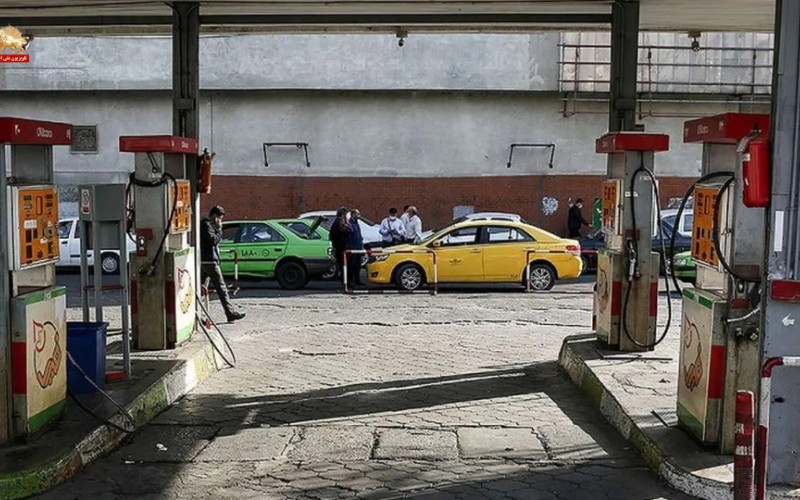

With 20 million liters of gasoline smuggled daily and CNG consumption collapsing, Iran’s citizens face economic hardship and growing unrest
Iran is facing a severe fuel crisis that has become one of the country’s most pressing economic emergencies. Amid widespread mismanagement and corruption, the regime of Ali Khamenei has allowed the daily smuggling of an estimated 20 million liters of gasoline—precisely matching the nation’s daily fuel shortage. The result: long queues at gas stations, surging prices, and mounting public frustration.
According to Ehsan Jan-Mohammadi, secretary of the National CNG Association, fuel consumption patterns have shifted dramatically. He revealed that “CNG use by motorists has fallen by 40%, which in turn has increased gasoline consumption by the same rate. Cars are burning gasoline instead of gas.”
This decline in natural gas use stems from the regime’s failed energy policies. Insufficient CNG stations, unattractive pricing, and years of neglect have discouraged drivers from using cleaner, cheaper fuel alternatives. Jan-Mohammadi suggested that introducing a three-tiered gasoline pricing system could encourage public and commercial vehicles to switch back to CNG, potentially increasing daily CNG consumption by up to 20 million cubic meters.
However, rather than supporting sustainable energy solutions, the regime continues to rely heavily on costly gasoline imports—currently around 11 million liters per day—while allowing massive quantities of subsidized fuel to be smuggled across borders. Analysts say this contradiction reflects “deep structural corruption” within Khamenei’s regime.
Experts estimate that Iran’s actual domestic gasoline consumption stands at around 70 million liters daily, meaning roughly a quarter of total output is smuggled abroad with the help of well-connected networks. Fuel trafficking has become a lucrative enterprise protected by regime-linked groups, while ordinary Iranians endure shortages and inflation.
The impact on daily life has been immediate. Taxi drivers and delivery workers struggle with higher costs, pushing up the prices of goods and services. Inflation continues to accelerate, eroding purchasing power and driving millions further into poverty. Meanwhile, scattered protests have erupted near gas stations in several cities as public anger grows over rising fuel prices and shortages.
CNG consumption, once seen as a cornerstone of Iran’s energy independence, has sharply declined—from 24 million cubic meters per day in 2021 to just 18.9 million today, a 40% drop. Experts see this as a clear indicator of the regime’s failed energy management.
While experts like Jan-Mohammadi argue that efficient CNG policies could save the equivalent of 20 million liters of gasoline daily, Tehran’s rulers show no interest in reform. Instead, they prioritize control, patronage, and short-term political survival over sustainable energy planning.
The crisis is symptomatic of a broader collapse. Under sanctions, corruption, and chronic mismanagement, Iran’s economy is crumbling. The fuel shortage, like the water crisis and inflation surge, highlights a regime that has lost the capacity—or the will—to govern effectively.
Ultimately, the gasoline crisis has become a symbol of systemic failure under Khamenei’s dictatorship. As economic pressure mounts and living conditions deteriorate, Iranians are once again confronting the reality that the regime’s survival takes precedence over the people’s basic needs.