


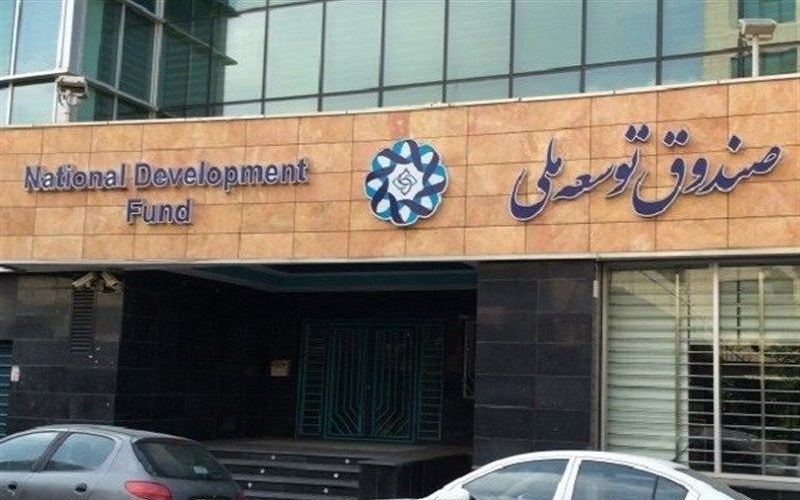

In a recent announcement, Masoud Pezeshkian, the President of Iran’s 14th government, disclosed that the administration has received authorization to withdraw from the National Development Fund (NDF) to settle overdue payments to farmers, nurses, and teachers. This decision, approved by the country’s Supreme Leader, Ali Khamenei, highlights the severe financial strain the government faces as it grapples with a substantial budget deficit.
A Troubling First Interview
During his first televised interview, Pezeshkian revealed that the government had sought and obtained permission to tap into the NDF, a fund initially established as a currency reserve to safeguard Iran’s foreign exchange earnings. The move starkly contradicts claims made by officials of the previous administration, who had asserted that they left the treasury with adequate financial resources. Pezeshkian’s statement lays bare the reality: the 14th government inherited an empty treasury, with no funds transferred from its predecessor.
Escalating Financial Concerns
Adding to the gravity of the situation, Mohammadreza Zafarghandi, the newly appointed Minister of Health, announced that five trillion tomans had been withdrawn from the NDF to subsidize essential drugs. Speaking at the annual conference of the Scientific Association of Iranian Pharmacists, Zafarghandi cited severe financial constraints in the health sector as the impetus for this withdrawal.
The ongoing withdrawals from the NDF have become emblematic of the government’s inability to manage its budget and meet its financial obligations. While the fund was originally designed to save foreign exchange income and invest in long-term, economically viable projects, it has increasingly been used to cover budget deficits and current expenses, a practice that experts warn is unsustainable.
A History of Withdrawals
The practice of withdrawing from the National Development Fund is not new. Over the years, successive governments have dipped into the fund to cover budget shortfalls, often justifying these withdrawals as necessary to address crises. However, this has led to missed opportunities for large-scale investments that could have bolstered the nation’s economy.
In 2023, the Parliament Research Center reported that the administration of Ebrahim Raisi set a record for the amount withdrawn from the NDF. In just the first year and a half of the 13th government, over $20 billion was taken from the fund. By comparison, the previous administration withdrew a total of $37 billion over its entire second term. The administration before that, led by Hassan Rouhani, also made significant withdrawals, citing the COVID-19 pandemic and intensified U.S. sanctions as the primary reasons.
The Impact on Iran’s Economy
The consequences of these withdrawals are far-reaching. Economists argue that using the NDF to cover current expenses is a significant driver of inflation in Iran. Historical data shows that whenever the government increased withdrawals to pay arrears, the inflation rate surged, exacerbating the financial woes of ordinary citizens.
Moreover, experts question why the government has not prioritized critical infrastructure investments, such as the renovation of aging power plants and refineries, over immediate but short-term expenses. The wear and tear on these facilities have led to frequent power and gas outages, which could have been mitigated with proper investment from the NDF.
A Grim Outlook
The repeated use of the National Development Fund to cover budget deficits and government arrears points to a deeper issue: the chronic inability of successive administrations to generate sufficient revenue. The acknowledgment by current government officials that the treasury is empty only deepens concerns about the future. As the 14th government navigates multiple crises, including the provision of basic goods, medicine, and the overdue payments to medical staff, educators, and retirees, the pressure to withdraw even more from the NDF is likely to mount.
In conclusion, while the National Development Fund was intended to be a safeguard for Iran’s economic future, it has increasingly become a crutch for successive governments struggling to manage their finances. The long-term consequences of this trend could be dire, not only for the economy but for the nation’s ability to invest in its future. Without a significant shift in policy, the NDF may well become a symbol of lost opportunities and economic mismanagement.