


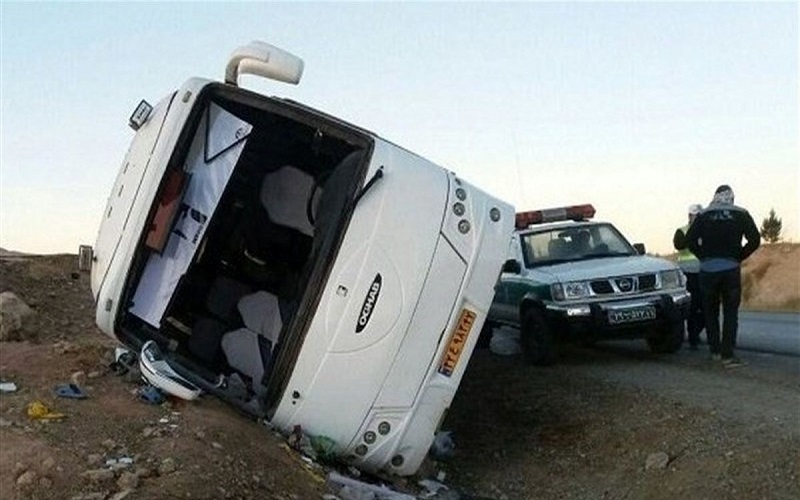

Iran is grappling with a deepening crisis in its public transportation system, as the rapid deterioration of its urban and intercity bus fleets poses growing risks to passenger safety and operational efficiency. Not only has the productivity of these fleets plummeted, but the rate of fatal and injurious accidents has surged alarmingly.
A Grim Toll of Accidents
According to official statistics, between March 20, 2024, and February 2025, Iran recorded 65 major bus accidents, resulting in 130 fatalities and 1,071 injuries. These troubling figures have drawn public scrutiny to the dangerously outdated condition of the country’s buses.
In recent weeks alone, a series of high-profile incidents has reignited nationwide concern. On May 24, 2025, a bus transporting 20 female students on the Qazvin–West Alamut highway crashed, injuring two. Just a day earlier, another accident on the Torbat-e Heydariyeh road left several citizens wounded. These back-to-back incidents underscore the persistent risks faced by passengers, especially students, who are often among the victims.
Technical Failures and an Aging Fleet
While human error and driver negligence are common causes of road accidents, experts increasingly point to technical defects as a major contributing factor. Calls to modernize Iran’s aging bus fleet have grown louder in response.
In March 2024, Reza Akbari, Deputy Minister of Roads and Urban Development, highlighted that over 70 to 80 percent of active buses in Iran are more than 15 years old—three times the global standard of around five years. A 2023 report by the Parliament Research Center revealed that 13,000 out of 23,000 intercity buses were classified as “worn out.” That number has since risen, pushing the wear rate from 56% to approximately 80% within a single year—what experts now describe as a “super crisis.”
A Shortfall in Replacement Plans
The Ministry of Roads and Urban Development estimates that at least 5,000 new buses are urgently required to address this crisis. Yet, progress has been dismal: as of early 2025, only 145 new buses have been imported or are awaiting customs clearance.
Although the Clean Air Act extended the permissible operational life of buses by 15 years, the law has had minimal practical effect. Gholam Abbas Bahraminia, Deputy Director of Transportation at the National Highway Administration, reported in December 2024 that the average age of active intercity buses had reached over 14 years—just shy of the extended legal limit.
This extension has occurred amid chronic shortages of spare parts, excessive workloads, and long-distance routes that exceed vehicle design limits. Structural deficiencies in road infrastructure further compound the risks. One of the deadliest incidents in recent memory occurred on March 30, 2025, when a Scania bus overturned on the Kerman–Mashhad route, resulting in 14 deaths and 30 injuries.
A Tenuous Balance of Replacement and Retirement
In January 2025, Jafar Tashakori Hashemi, head of the Tehran City Council’s Transportation Commission, warned that at the current rate, it could take a decade to upgrade the fleet to acceptable standards. Despite limited imports and domestic manufacturing, only 150 new buses have been added, while nearly the same number have been retired—meaning the fleet is stagnating rather than improving.
Efforts to import buses from China—intended as part of a barter deal to settle Iran’s oil debts—have also become mired in controversy. According to city council sources, only 10 of the 2,500 Chinese buses purchased have been delivered to Tehran, with around 100 others still stuck in customs. This sharply contradicts municipal claims of a significant upgrade to the city’s fleet.
Urban Crisis: Tehran and Beyond
The crisis is not confined to intercity routes. In Tehran, the shortage and poor condition of intra-city buses have made daily commuting increasingly difficult. City officials report that the capital needs 11,000 buses to meet demand, but only 2,300 are currently in service—many of which frequently break down and require repairs.
The consequences are far-reaching. In addition to the increasing number of accidents, aging buses contribute significantly to air pollution in major cities. Vehicles well past their service life consume more fuel and emit more pollutants, endangering public health.
A Call for Realistic Solutions
Transportation experts argue that the government’s target of 5,000 new buses is neither realistic nor sufficient. Unofficial estimates suggest more than 10,000 new vehicles are required to bring the fleet in line with international standards. If the global five-year benchmark for bus lifespans were applied, a vast portion of the current fleet would be immediately disqualified from service.
Parliamentarian Mojtaba Yousefi, a member of the civil engineering commission, revealed in May 2025 that the number of intercity buses has plummeted over the past decade—from 15,000 to under 7,100—all with an average age of nearly 10 years. These statistics not only reflect a lack of progress in fleet modernization but also highlight the failure of past initiatives to import or rehabilitate buses.
Conclusion
Iran’s transportation crisis is no longer a looming threat—it is a present and pressing danger. Without immediate and coordinated efforts to revamp the country’s bus fleet, accidents will continue, pollution will worsen, and the public’s trust in the transportation system will further erode. A serious, large-scale commitment—far beyond symbolic imports and incremental upgrades—is urgently needed to steer Iran’s bus system back on course.