


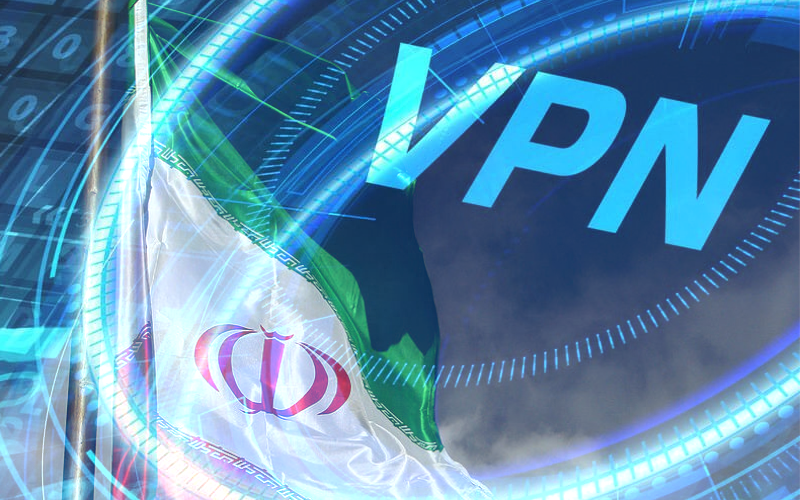

The Iranian regime’s internet censorship has become a major point of contention in the fight for global information access. To counter this, the White House is urging American tech giants like Amazon, Google, and Microsoft to assist with bandwidth expansion for government-funded tools that help users bypass these restrictions.
A History of Censorship in Iran
Iran has a long history of internet censorship dating back to the early 2000s. The Iranian regime, wary of dissent and maintaining control over information, established a complex system to filter and block access to websites and online services deemed politically or socially sensitive. This includes popular platforms like YouTube, Twitter, Facebook, and Instagram.
The filtering is overseen by the Internet Filtering Committee, led by the Prosecutor-General of Iran. This opaque system lacks transparency, with no official list of banned websites and the ability for authorities to add or remove sites at will.
The situation escalated in 2019 during widespread protests following the death of Mahsa Amini, a young woman arrested by morality police for allegedly violating hijab regulations. To quell dissent, the regime implemented a near-total internet shutdown, reducing traffic to a mere 5% of typical levels. This tactic aimed to disrupt communication and organization among protestors.
Growing Demand for Circumvention Tools
These events highlight the critical role of circumvention tools like Virtual Private Networks (VPNs) in ensuring internet freedom in Iran. VPNs encrypt internet traffic and route it through external servers, allowing users to bypass geographic restrictions and government censorship efforts.
The Open Technology Fund (OTF), a US-backed organization, plays a crucial role in supporting these VPNs. They have witnessed a dramatic surge in usage, particularly in Iran, as citizens increasingly seek ways to access unfiltered information and exercise their right to free expression online.
The Challenge of Scalability
OTF currently supports VPN applications used by roughly 46 million people per month, a significant increase from the past decade. However, this growth has created a financial strain. The cost of hosting this level of network traffic on private servers consumes a substantial portion of OTF’s budget.
The White House’s Call to Action
In response to this challenge, the White House convened a meeting with representatives of tech giants and civil society activists on September 5th, 2024. The aim was to encourage these companies to provide discounted or subsidized server bandwidth to accommodate the growing demand for OTF-funded VPNs.
This collaboration would be a significant step in supporting Iranian citizens’ access to information and promoting online freedom. By expanding bandwidth capacity, OTF can assist more Iranians in circumventing censorship and fostering a more open and connected online environment.
The success of this initiative hinges on the cooperation of major tech companies like Amazon, Google, and Microsoft. Their involvement could play a critical role in empowering Iranian citizens and upholding the principles of a free and open internet.