


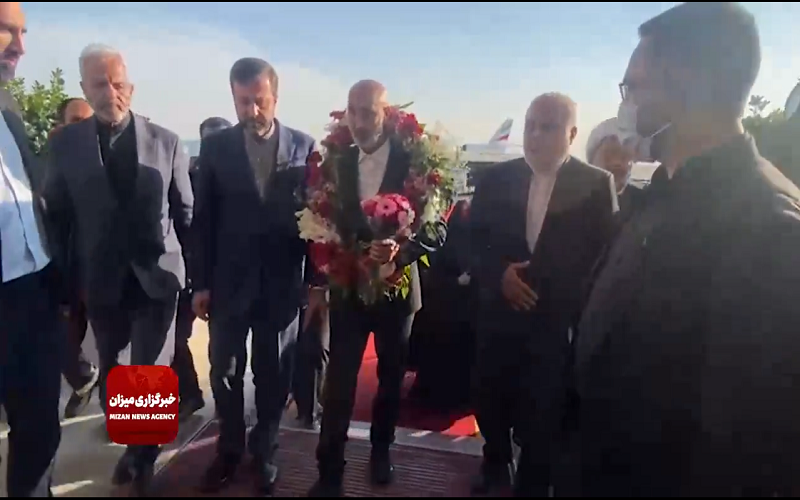

The recent release of Hamid Noury, a key figure in the massacre of 30,000 political prisoners in 1988, represents a grave miscarriage of justice and an egregious affront to human rights principles.
Noury’s involvement in the systematic extermination of dissidents, primarily members and supporters of the People’s Mojahedin Organization of Iran (PMOI/MEK), underscores his culpability in one of the most heinous crimes against humanity in modern history.
Sweden’s decision to release him is not only a betrayal to the victims but also a dangerous endorsement of the Iranian regime’s continued brutality.
Western powers, particularly those engaging in appeasement policies towards Iran, must be reminded of the peril such actions pose to their own security and moral standing.
The release of Noury, a perpetrator of genocide and crimes against humanity, sends a clear message to the Iranian regime that their actions bear no real consequence.
This is not just a disservice to the people of Iran but a grave miscalculation that endangers global stability and undermines the international fight against terrorism.
The release of Noury emboldens the regime’s torturers and executioners, encouraging them to perpetuate their campaigns of violence, hostage-taking, and terrorism.
This decision effectively rewards the Iranian regime’s malicious tactics, including the manipulation and staging by the Ministry of Intelligence to prevent Noury’s conviction.
Despite the efforts of brave prisoners and members of the Iranian Resistance, whose testimonies and relentless advocacy brought Noury’s crimes to light, justice has been denied.
The National Council of Resistance of Iran (NCRI) and the Judiciary Committee of the NCRI have repeatedly warned of back-channel deals with the Iranian regime aimed at securing the release of figures like Noury.
The repercussions of such actions are profound, as they undermine Sweden’s international commitments and disrespect the efforts of its judiciary, judges, and prosecutors who worked tirelessly to bring Noury to justice.
This release contradicts the principles set forth by the United Nations Fact-Finding Commission, which calls for the prosecution and accountability of those responsible for crimes against humanity.
Sweden’s action not only violates these international commitments but also diminishes the global credibility of human rights advocacy.
Kazem Gharibabadi’s statement on May 27, 2024, reveals the concerted efforts by various Iranian agencies to secure Noury’s release, highlighting the regime’s relentless pursuit to shield its henchmen from justice.
This orchestrated effort underscores the regime’s confidence in exploiting diplomatic channels and hostage-taking tactics to reclaim their operatives.
Mrs. Maryam Rajavi, President-elect of the NCRI, has rightfully condemned this disgraceful act, echoing the sentiments of prisoners, torture victims, plaintiffs, families of massacre victims, and the broader Iranian community.
Their unwavering stance against such injustices serves as a powerful reminder that these atrocities will neither be forgiven nor forgotten.
The consistent demonstrations, rallies, and protests by freedom-loving Iranians and supporters of the Resistance, even under harsh conditions, reflect a profound commitment to justice and human rights.
From August 2021 to November 2023, 121 actions were taken outside the courts in Stockholm, demonstrating a relentless pursuit for accountability and a profound rejection of appeasement policies.
By surrendering to the demands of the Iranian regime, Sweden has not only failed the victims of the 1988 massacre but also compromised its own security.
This act emboldens the mullahs and transforms Swedish territory into a potential ground for further terrorist activities.
The international community must recognize that true justice and security can only be achieved through unwavering commitment to human rights and a steadfast stance against regimes that perpetuate violence and terror.
The release of Hamid Noury is a stark reminder that the fight for justice is far from over. It is a call to action for all nations to reaffirm their dedication to human rights and to hold accountable those who commit atrocities, regardless of geopolitical considerations.
Only through such resolute actions can we hope to deter future crimes and uphold the values that bind us as a global community.