


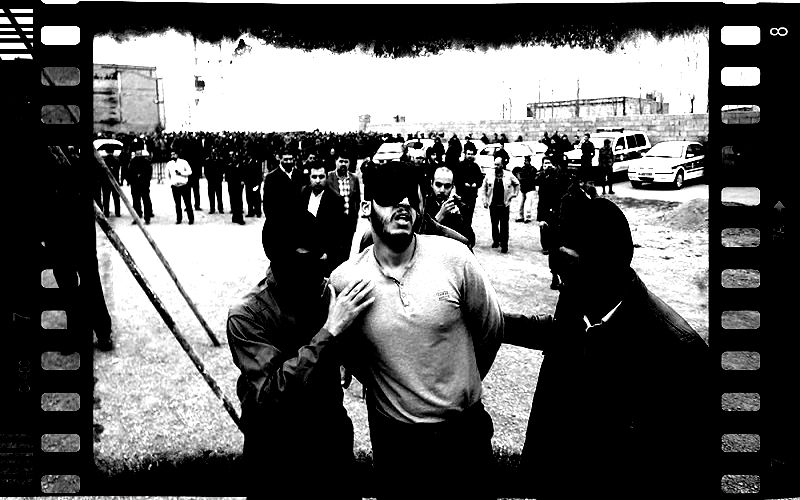

Mai Sato, the newly appointed United Nations Special Rapporteur on human rights in Iran, has expressed deep concern over the alarming rise in executions in the country. According to Sato, at least 93 individuals were executed in Iran last month alone. Disturbingly, she noted that several of these executions involved individuals who may have been innocent, raising serious questions about the fairness of trials conducted by the Iranian regime.
Escalating Numbers of Executions
The number of reported executions in Iran in 2023 has now surpassed 400, including the execution of 15 women. Nearly half (41) of the executions carried out in August were related to drug offenses. This is despite Iran being a signatory to the International Covenant on Civil and Political Rights (ICCPR), which restricts the application of the death penalty to the “most serious crimes,” typically understood as intentional killing.
The rise in drug-related executions is particularly troubling given recent legal reforms. Since 2021, there has been a marked increase in the number of such executions, with more than 400 carried out in 2023 alone. This surge has occurred despite amendments to the Law for Combating Illicit Drugs, which were intended to limit the use of the death penalty for drug-related offenses.
Sato’s Concerns About Transparency and Fair Trials
Mai Sato, who succeeded Javed Rahman as the Special Rapporteur on human rights in Iran just a month ago, has been vocal about her concerns. In her first public statement, posted on the social media platform X (formerly Twitter) in Farsi, she highlighted the lack of transparency surrounding these executions.
“I have been the Special Rapporteur for Iran for a month. In August 2024, at least 93 people were executed. Based on the information received, only a fraction of these executions have been officially reported by the Islamic Republic of Iran, which highlights the need for transparency,” Sato wrote.
The Case of Reza Rasaei
Sato also drew attention to the execution of Reza Rasaei, a political prisoner who was put to death on August 6, 2024. Rasaei, a 34-year-old follower of the Yarsani faith, was arrested during the 2022 protests in Sahneh, a city in Kermanshah province. He was accused of killing a member of the Revolutionary Guards.
Sato expressed particular concern over the fairness of Rasaei’s trial. “Reza Rasaei was executed on August 6. I am concerned about several issues: alleged confessions obtained through torture; accomplices who retracted their testimony about Rasaei’s involvement in the case; and the opinion of a forensic doctor who has challenged Rasaei’s involvement in the murder,” she stated.
The United Nations had previously reported that Rasaei’s confession was obtained under torture. Despite forensic evidence that contradicted his involvement in the crime, Iran’s Supreme Court upheld his death sentence.
Worrying Trend of Unfair Trials
Sato’s concerns extend beyond individual cases like Rasaei’s. She warned that the Iranian regime’s practices may lead to wrongful executions. “The executions that take place in violation of fair procedures and legal formalities are considered illegal. Wrongful executions are irreversible. The reports I have received regarding the current implementation of the death penalty in the Islamic Republic of Iran deeply concern me that innocent people may have been and may continue to be executed,” Sato emphasized.
Political Motives Behind Executions
Sato concluded by pointing to the political nature of many of these executions. “Today, many are sentenced to death for committing crimes that are generally defined as security crimes: armed rebellion, spreading corruption on Earth, waging war against God, and apostasy,” she noted.
These charges, often vaguely defined, have been frequently used by the regime against its dissidents, in clear violation of international standards.
The rising number of executions and the apparent lack of fair trials in Iran underscores the urgent need for international scrutiny and action. Sato’s statements serve as a stark reminder of the human rights challenges facing the country and the potential for grave injustices to continue if these issues are not addressed.