


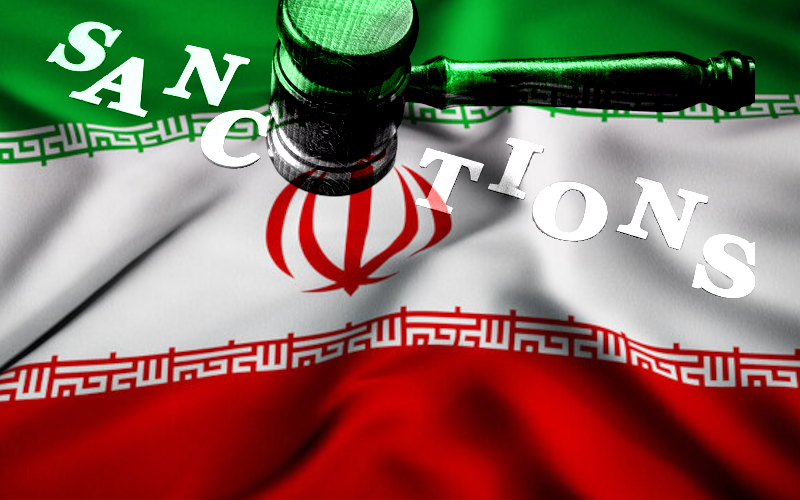

EU reinstates sweeping sanctions on Iran after E3 triggers snapback mechanism over Tehran’s nuclear violations.
Brussels, September 29, 2025 — The Council of the European Union announced today that it has reinstated a wide range of restrictive measures against Iran, following the reintroduction of United Nations sanctions tied to Tehran’s nuclear program.
The decision comes after the UN Security Council declined to extend the lifting of sanctions, paving the way for the European “E3” — France, Germany, and the United Kingdom — to invoke the snapback mechanism embedded in the 2015 Joint Comprehensive Plan of Action (JCPoA), also known as the Iran nuclear deal.
Scope of the Sanctions
The measures reintroduced by the EU mirror both UN Security Council resolutions dating back to 2006 and EU autonomous sanctions. They cover individuals, entities, trade, finance, and transport sectors, and include:
- Targeted Restrictions: Travel bans, asset freezes, and prohibitions on providing funds or resources to listed individuals and organizations.
- Trade Measures: A continued arms embargo, a ban on transfers of nuclear- and missile-related items, and restrictions on the import and transport of Iranian crude oil, natural gas, and petrochemical products. The EU is also prohibiting the sale of equipment for the energy sector, gold, precious metals, diamonds, certain naval equipment, and specialized software.
- Financial Sanctions: The freezing of assets belonging to the Central Bank of Iran and major Iranian commercial banks.
- Transport Measures: A ban on Iranian cargo flights entering EU airports and restrictions on the servicing or maintenance of Iranian cargo aircraft or vessels carrying prohibited goods.
Background of the Decision
The original JCPoA was signed in July 2015 by Iran and the P5+1 (China, France, Russia, the United Kingdom, the United States, and Germany), with the EU acting as mediator. It aimed to limit Iran’s nuclear activities to peaceful purposes in exchange for sanctions relief.
Following the deal, the EU lifted nuclear-related sanctions in October 2015 but made clear that measures could be reinstated if Iran failed to comply with its obligations.
On August 28, 2025, France, Germany, and the UK formally notified the UN Security Council that Iran was in “significant non-performance” of its commitments, triggering the snapback clause. After a 30-day review period without a new UN resolution to block the process, sanctions automatically returned.
Implications
The EU’s move underscores growing international consensus that Iran has not honored the terms of the 2015 nuclear deal. The reimposed sanctions, especially on oil exports and financial transactions, are expected to deepen Iran’s already fragile economic crisis.
By reinstating these measures, European governments signal both solidarity with the UN’s position and a hardening stance against Tehran’s nuclear activities, which they argue pose a serious threat to regional and global security.