
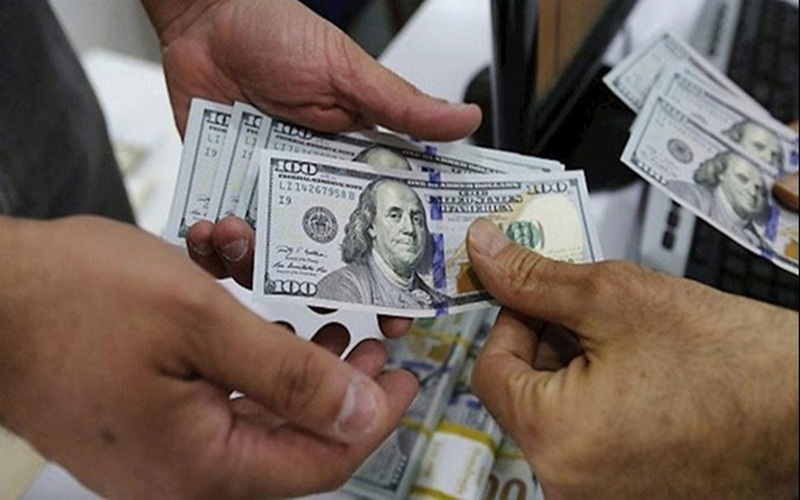

As living costs reportedly reach 90 million tomans a month while minimum-wage workers earn only about 25 million, economic hardship is becoming a broader crisis of governance.
Reports published by Iranian regime-affiliated newspapers have once again highlighted the widening gap between household expenses and workers’ incomes, underscoring a crisis that is no longer confined to inflation or wage disputes.
According to reports published on August 18, the estimated monthly cost of living for an average household has climbed to approximately 90 million tomans, while the wages of many minimum-wage workers remain around 25 million tomans. One newspaper acknowledged that workers’ July salaries were insufficient to cover even the first ten days of the month.
The figures illustrate a growing disconnect between the economic realities faced by millions of Iranians and the regime’s inability to address them.
A gap that continues to widen
The disparity between wages and essential expenses has become increasingly difficult to bridge. Housing, food, healthcare, and education have all become significantly more expensive, while workers’ incomes have failed to keep pace.
Regime media themselves have reported that living costs rose by more than 211 percent between March and the end of July, adding nearly 47.6 million tomans to household expenses in just a few months.
Such an increase is not simply another episode of high inflation. It points to a structural economic failure in which the majority of the population is steadily losing the ability to meet even basic needs.
When a worker earning roughly 25 million tomans faces a household budget approaching 90 million tomans, the shortfall cannot be corrected through modest wage adjustments or temporary subsidies. It reflects a widening class divide that has become embedded in the country’s economic system.
Basic necessities slipping out of reach
The crisis extends far beyond disposable income.
For many families, adequate housing, quality education, and reliable healthcare have already become increasingly inaccessible. Now, even basic food items are becoming difficult to afford.
When essential needs fall beyond the reach of a large share of the population, the consequences extend beyond economics. Poverty begins to affect personal dignity, children’s futures, and the ability of families to maintain a stable life.
At that point, protests over prices and wages naturally evolve into broader questions about governance and political responsibility.
From an economic crisis to a crisis of governance
The regime’s own newspapers increasingly acknowledge the severity of the problem, yet their reporting also reveals the limits of the authorities’ response.
Officials continue to announce wage reviews, subsidies, or isolated economic measures, but none address the underlying causes of the crisis. Years of mismanagement, corruption, and policies that prioritize the preservation of the ruling establishment over public welfare have produced an economy in which millions of citizens bear the consequences.
The result is a growing separation between society and the regime.
People demand the basic conditions necessary for a normal life, while the authorities repeatedly demonstrate that they are either unwilling or unable to provide them. Each increase in prices and each erosion of purchasing power further deepens this divide.
A structural and political deadlock
The widening gap between living costs and incomes cannot be explained solely by market fluctuations or individual economic decisions. It has become part of a broader structural crisis affecting workers, retirees, teachers, nurses, farmers, and other sectors of society.
As economic pressure expands, so too does public dissatisfaction. The issue is no longer merely how much wages should increase, but whether a system that consistently fails to secure the most basic needs of its citizens can continue to maintain public legitimacy.
The latest figures reported by regime-affiliated media are therefore significant not only because they document worsening poverty. They also expose a deeper political reality: the distance between Iranian society and the ruling regime continues to grow, driven by an economic crisis that has become inseparable from the broader crisis of governance.
With household expenses rising far faster than incomes and no credible solution emerging, the cost-of-living crisis increasingly represents more than an economic emergency. It has become one of the clearest indicators of the regime’s structural deadlock and of the growing confrontation between a society seeking a dignified life and a ruling establishment focused primarily on its own survival.