


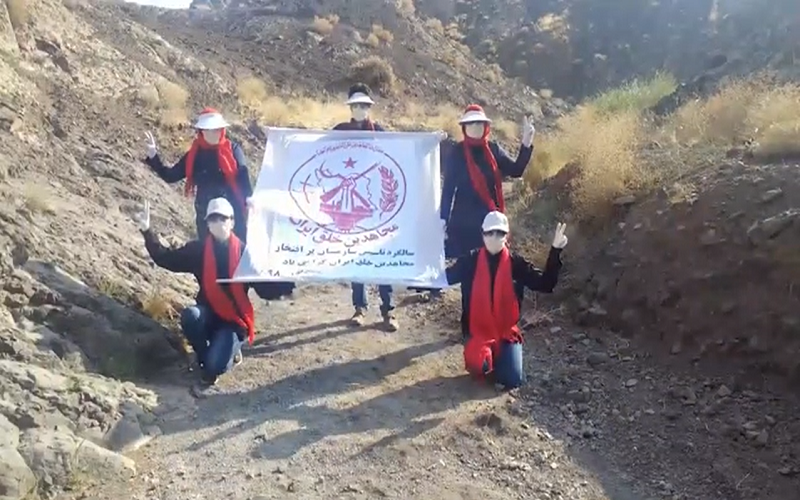

As the People’s Mojahedin Organization of Iran (PMOI) commemorates its 59th anniversary, one cannot help but reflect on its extraordinary journey. For nearly six decades, this organization has stood as a beacon of resistance against the oppressive forces that have sought to crush the spirit of the Iranian people. From challenging the autocratic rule of the Shah to standing up against the theocratic regime of the mullahs, the PMOI’s unwavering commitment to freedom, democracy, and human rights is a narrative that continues to inspire not just Iranians, but advocates of liberty around the world.
A Movement Born in the Crucible of Revolution
The PMOI emerged in 1965, a time when Iran was grappling with profound political turmoil. The Shah’s regime, backed by Western powers, was tightening its grip on the nation, leaving little room for dissent. It was in this climate of repression that the PMOI’s founders recognized the urgent need for a dedicated, organized resistance. They were not merely reacting to the tyranny of the day; they were envisioning a future where Iranians could live in a society defined by justice, independence, and equality.
This vision has never wavered, even in the face of brutal crackdowns. The 1980s, in particular, were a time of unimaginable suffering for PMOI members and supporters. Thousands were executed, imprisoned, or forced into exile. Yet, despite these horrific challenges, the organization endured, evolving into a symbol of resilience that continues to challenge the status quo in Iran.
Bridging Divides: PMOI’s Role in Uniting the Opposition
One of the most remarkable aspects of the PMOI’s journey is its ability to mobilize support across a diverse spectrum. From within Iran’s borders to the far reaches of the diaspora, the PMOI has brought together various factions of the opposition under a common cause: the dismantling of the mullahs’ dictatorship.
Through the establishment of “Resistance Units,” the PMOI has reinvigorated grassroots activism, encouraging ordinary citizens to become agents of change. This isn’t just about political strategy; it’s about empowering people to reclaim their country from the grip of tyranny. Recent protests in Iran have shown that the PMOI’s message resonates deeply with those who yearn for freedom, positioning the organization as a vital leader in the ongoing struggle.
A Vision Rooted in Human Rights and Democratic Values
What sets the PMOI apart from other opposition groups is its unwavering commitment to human rights and democratic principles. The PMOI doesn’t just oppose the current regime; it offers a compelling alternative. It envisions an Iran where gender equality, freedom of expression, and the right to self-determination are not just aspirations but realities.
This forward-thinking vision is also reflected in the PMOI’s interpretation of Islam. Unlike the rigid, fundamentalist views imposed by the ruling clerics, the PMOI’s interpretation is one of tolerance and democracy. This inclusive approach not only appeals to many Iranians but also garners international support, effectively positioning the PMOI as a legitimate alternative to the current regime.
Unmasking the Regime: PMOI’s Role in Exposing Iran’s Dark Secrets
The PMOI has also distinguished itself as a formidable force in exposing the Iranian regime’s clandestine activities. It was the PMOI that first revealed Iran’s nuclear ambitions to the world—a revelation that sent shockwaves through the international community.
In June 1991, the PMOI uncovered Iran’s plans to acquire nuclear weapons, a disclosure that marked a turning point in global perceptions of the regime. This was followed by the PMOI’s exposure of the Natanz nuclear enrichment facility and the Arak heavy water reactor project in 2002—revelations that brought the world’s attention to Iran’s covert nuclear program and led to increased international scrutiny.
But the PMOI’s revelations haven’t been limited to nuclear activities. The organization has also shone a light on Iran’s development of missile and drone technology, which poses a significant threat to regional stability. By revealing the regime’s advances in these areas, the PMOI has highlighted the broader dangers posed by Iran’s ambitions, not just to its neighbors but to global security as a whole.
The Broader Implications: PMOI’s Call for Regional Stability
The PMOI’s opposition to the Iranian regime isn’t just about changing the government in Tehran; it’s about promoting peace and stability across the Middle East. The Iranian government’s support for proxy forces in Syria, Iraq, and Lebanon has fueled conflicts that have devastating humanitarian consequences. By exposing these activities, the PMOI has made a compelling case that a democratic Iran would be a force for peace in a troubled region.
This perspective is not just theoretical. It’s a call to action for the international community to support the Iranian people in their struggle for freedom. The PMOI argues, convincingly, that a democratic Iran would not only respect the rights of its citizens but also contribute to a more stable and peaceful Middle East.
Conclusion: A Legacy of Resistance, A Future of Hope
As the PMOI marks its 59th year, it stands as a testament to the power of resistance and the enduring human spirit. The organization’s journey is far from over, but its legacy of courage, resilience, and hope continues to inspire. The PMOI doesn’t just represent the aspirations of the Iranian people; it embodies the universal desire for freedom and justice.
In a world where tyranny often seems to hold the upper hand, the PMOI reminds us that the fight for human dignity is never in vain. As we look to the future, the PMOI’s vision of a free, democratic, and peaceful Iran offers hope—not just for Iranians, but for all who believe in the possibility of a better world.