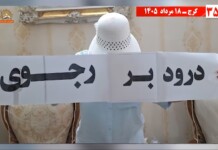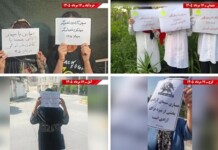

On Sunday, December 29, hundreds of Tehran’s market vendors went on strike, protesting against soaring prices and rampant inflation. A workers’ rights activist in Tehran, reflecting on the deepening poverty in Iran, stated that children from working-class families are now deprived of basic necessities, including healthcare and education.
This dire situation is exacerbated by a 75% increase in housing rents and point-to-point inflation exceeding 43%. Such economic pressures have led to an alarming rise in homelessness, substandard housing, suburban sprawl, and even slum living. Stories of individuals resorting to sleeping in buses or cramming into tiny shared accommodations have become increasingly common.
Housing Costs: A Crushing Burden
Housing now consumes 58-62% of household incomes on average, forcing workers to sacrifice essential expenditures to afford rent. Recreational activities have long been eliminated, and educational spending has been slashed to the bare minimum, resulting in a noticeable decline in educational outcomes.
In recent years, children from working-class families have virtually disappeared from the ranks of top university entrance exam candidates. Gone are the days when these children excelled academically and gained admission to Iran’s top universities.
Livelihood Crisis Amid Government Priorities
Despite the growing livelihood crisis among citizens, the regime persists with its warmongering policies in the Middle East. Even after significant setbacks, such as the fall of Bashar Arshad’s regime in Syria, substantial financial support for militant groups and investments in military and nuclear programs continue unabated. These actions underscore the regime’s prioritization of its survival over addressing domestic economic challenges.
Health Sacrificed to Survive
High housing costs have also forced many workers to cut back on medical expenses. Self-medication has become widespread, with hospital visits occurring only in critical cases. This trend, coupled with the consumption of low-quality food, has led to a surge in metabolic diseases, strokes, and other health issues.
The marginalization of workers is a stark reflection of the deprivation endured by Iran’s working class. Access to housing, a fundamental human right, has been neglected for years. A recent report by Iran’s Ministry of Labor revealed that poverty among tenant families has grown by 48% since 2016. In urban areas, 82% of tenant households now live below the poverty line.
The Struggles of Everyday Life
Ahmad Ghasemi, a retired tenant worker, shared his hardships with the ILNA news agency. “I’ve been battling influenza for three or four days. Out of necessity, I went to the doctor and paid 529,000 tomans for medicine and 250,000 tomans for the visit and injections. That’s nearly 800,000 tomans,” he explained. “I’m a tenant earning less than seven million tomans a month. How am I supposed to pay my rent at the end of the month? I barely survive by working as a ride-hailing driver.”
According to the Ministry of Labor’s report, 100% of tenants in Alborz and Qom are classified as poor. In Sistan and Baluchistan, 60% of families live in slums without basic facilities. Shared living in cramped 40-square-meter homes has become a common reality.
Conclusion
The struggles of Iran’s working class underscore the urgent need for systemic change. As citizens grapple with escalating poverty and a cost-of-living crisis, the regime’s priorities remain disconnected from the daily realities of its people. Addressing housing affordability, improving healthcare access, and ensuring educational opportunities must become national imperatives if the cycle of deprivation is to be broken.