



Tehran, January 2025 – Abbas Ali Abadi, Iran’s Minister of Energy, sounded the alarm during a recent meeting with the Energy Commission of the Iranian Parliament. In the presence of Parliament Speaker Mohammad Baqer Qalibaf, Abadi warned of an impending electricity deficit set to worsen from 20,000 megawatts to 25,000 megawatts this summer. Expressing his concern, he urged the parliament to authorize measures for mitigating the crisis, stating, “In the cold winter, you can wear a coat and warm clothes, but passing through the summer will not be so easy.”
The Minister hinted that the proposed solutions may involve increasing energy prices, underscoring the urgency of addressing the “big concern of the summer.” His plea reflects growing anxiety within the regime over potential public unrest stemming from widespread power and water shortages.
Winter’s Challenges a Grim Prelude
Iran’s electricity crisis has already manifested during the current winter, leading to power outages, energy rationing, and disruptions in daily life. These measures have forced the closure of schools, offices, and production facilities. With the added threat of summer heat and acute water shortages, the government’s fears of escalating social protests are mounting.
Water Crisis Deepens
On December 23, Isa Bozorgzadeh, spokesperson for Iran’s water industry, described the country’s water crisis as “acute” and even more severe than its electricity challenges. Referring to the situation as a “disaster,” he highlighted that 217 trillion tomans ($5 billion USD) in hidden subsidies are paid annually in the water sector, yet systemic inefficiencies persist.
Bozorgzadeh revealed that rainfall since the start of the current water year has been a mere 41.4 mm, marking a 33% decline compared to the long-term average. Except for three provinces—Gilan, Mazandaran, and Khorasan-Razavi—all other regions are experiencing rainfall deficits ranging from 1% to 88%.
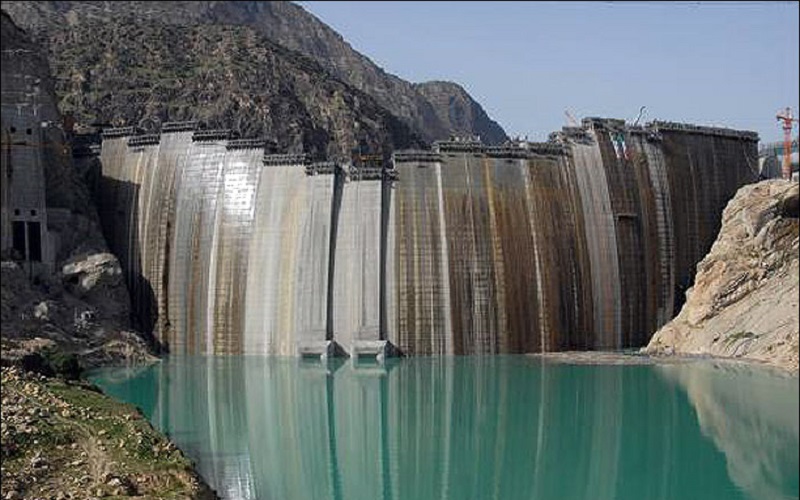
Iran’s dam reservoirs are also under strain. The national average capacity is at 43%, down 8% from long-term norms. Tehran’s drinking water supply is particularly concerning, with dam reservoirs in the capital province filled to only 19% on average. Some dams, like Lar, are as low as 2%, while Taleqan stands at 54%.
Longstanding Failures
Iran’s chronic inability to address its energy infrastructure has left hundreds of cities and villages grappling with recurring summer blackouts in recent years. Experts attribute these failures to mismanagement, overreliance on outdated systems, and the absence of comprehensive long-term planning.
Recent power shutdowns, described by analysts as evidence of a severe electricity shortage, have reached new peaks. With the worsening crisis coinciding with water scarcity, the Iranian regime faces the dual challenge of mitigating resource deficits while averting potential public backlash.
As Iran braces for what could be its most challenging summer yet, questions remain about the government’s capacity to implement sustainable solutions in time. The coming months will test not only the resilience of the nation’s infrastructure but also the regime’s ability to manage a crisis with potentially explosive social and political consequences.