


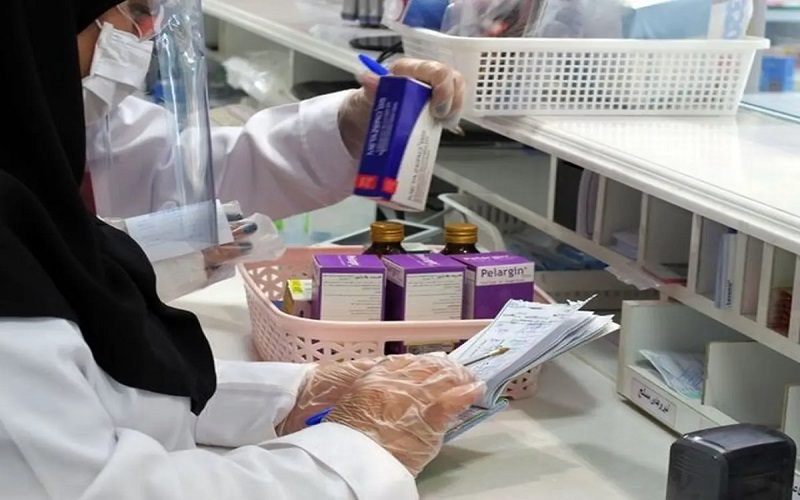

In recent days, Iran has witnessed an unprecedented rise in medicine prices, drawing widespread criticism and concern. According to the Iranian state-run news agency ILNA, the government and the Ministry of Health have justified these price hikes as a measure to prevent the bankruptcy of pharmaceutical manufacturers. However, this justification has sparked outrage, as the cuts in subsidies and government support have directly impacted one of the most vital aspects of people’s lives: health and access to medicine.
Subsidy Removal and Its Fallout
ILNA reported that the government’s decision to remove subsidies and adjust prices has exacerbated the challenges faced by ordinary citizens. Despite the announcement of new pricing, many pharmacies have not yet received medicines under the updated rates. Pharmacists warn that as soon as new shipments arrive, the increased prices will take effect immediately, further burdening the public.
Shrinking Budget for Basic Goods
The financial strain is evident in the country’s budget allocation. Gholamreza Tajgardoon, head of the 2025 Budget Consolidation Commission, revealed that while Iran’s budget in previous years ranged between $40 billion and $50 billion, the current allocation for basic goods has dwindled to a mere $11 billion. This significant reduction underscores the government’s inability to maintain previous levels of support for essential commodities, including medicine.
Exchange Rate Fluctuations and Their Impact
The fluctuation of exchange rates has further compounded the crisis. Mohammad-Reza Zafarghandi, Iran regime’s Minister of Health and Medical Education, acknowledged that currency volatility directly affects medicine prices. He stated, “The government intends to support medicine prices by paying the difference in exchange rate changes to insurance companies to prevent these costs from falling on the public.” Despite these assurances, questions remain about the source of these funds and the feasibility of the government’s commitment.
Pharmaceutical Price Hikes
Amid these developments, Zahravi Pharmaceutical Company, one of Iran’s largest drug manufacturers, announced a price increase of up to 415% for some of its products. With the approval of the Food and Drug Organization, the company has raised prices on 16 items by rates ranging from 12% to 415%. Notably, Zahravi is a semi-governmental entity under the Social Security Organization, which itself operates under the Ministry of Cooperatives, Labour, and Social Welfare.
Mismanagement of Medicine Funds
Adding to the turmoil, Bahman Sabour, head of the Tehran Pharmacists Association, revealed that universities of medical sciences have diverted 10 trillion tomans from the Daruyar project’s budget, intended to control medicine shortages and costs, to other purposes. Sabour warned that “if this procedure continues, pharmacies will go bankrupt,” citing 36 trillion tomans in uncollected claims related to the project.
Public Outcry and Social Media Reactions
The excessive price hikes and widespread mismanagement have provoked strong reactions on social media. Journalist Hediyeh Kimiaei criticized the government on the X social network, stating, “10 trillion tomans have been stolen from the nation’s medicine budget, and allocated currency for medicine imports has been embezzled. Now, medicine prices have surged by 200% to 400%. People can no longer afford even basic medicines, and chaos reigns in pharmacies.”
Many social media users echoed these sentiments, blaming the regime for the dire situation. They accused the government of prioritizing its survival over the well-being of its citizens, asserting that economic mismanagement has left the nation unable to afford essential treatments.
Removal of Preferred Currency for Medicine
In recent weeks, Mohammad-Reza Zafarghandi announced the removal of the preferred currency for medicine imports. Pharmaceutical items will now be imported using NIMA currency (Integrated Foreign Exchange Transactions System), with the preferred currency for medical equipment also eliminated. This decision has further intensified concerns over affordability and accessibility.
The Human Toll
The steep rise in medicine prices coincides with earlier promises by Zafarghandi to prevent undue pressure on patients through regulatory oversight. However, the reality on the ground tells a different story. Resolving issues related to insurance and healthcare has long been a central demand in livelihood protests by retirees and workers in various industries across Iran. The current crisis has only deepened the public’s mistrust in the government’s ability to address these fundamental concerns.
Conclusion
Iran’s escalating medicine prices highlight the intersection of economic mismanagement, policy failures, and a struggling healthcare system. As the government’s removal of subsidies and reliance on fluctuating exchange rates continue to affect the nation’s most vulnerable, the public outcry serves as a stark reminder of the urgent need for comprehensive reforms to safeguard access to essential healthcare services.