


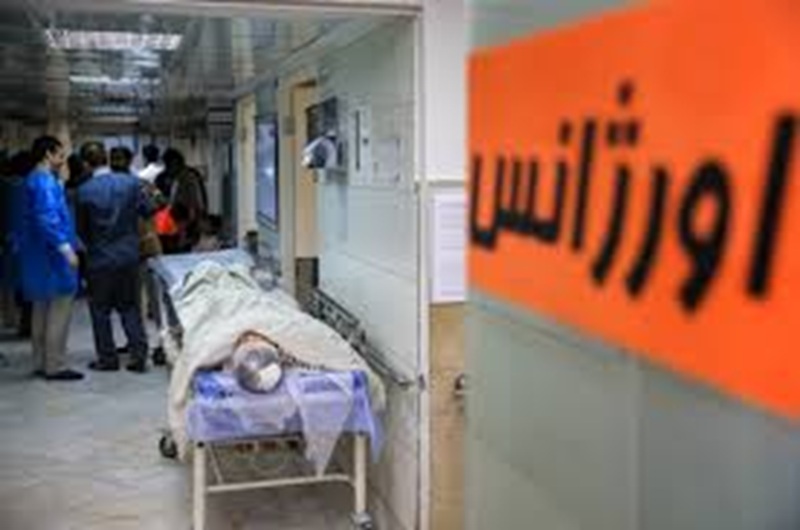

A collapsing drug supply chain and overwhelmed hospitals are turning treatable illnesses into death sentences
Over the past two months, Iran has entered one of the most severe healthcare crises in its recent history—one that is not only disrupting access to medical services but also placing the lives of vulnerable patients in immediate danger. While war and security tensions have intensified the situation, the roots of this catastrophe run much deeper, embedded in years of structural weakness, mismanagement, and systemic neglect.
Today, Iran’s healthcare system is not merely strained—it is unraveling.
A System Buckling Under Pressure
Field reports, patient testimonies, and even data from state-affiliated media paint a grim picture: the shutdown of several pharmaceutical companies, combined with severe disruptions in supply chains and an unprecedented surge in demand for healthcare services, has pushed an already fragile system to the brink.
Vital medications—particularly for patients suffering from cancer, hemophilia, thalassemia, and kidney failure—have become dangerously scarce. In many cases, they have disappeared altogether.
At the same time, hospitals and treatment centers are operating under immense pressure. Access to critical services such as dialysis, PET scans, and intensive care has sharply declined, leaving patients increasingly at risk of death.
The Collapse of the Drug Supply Chain
The pharmaceutical crisis now gripping Iran is not merely a byproduct of war—it is the inevitable result of compounded systemic failures. The halt in drug imports, coupled with declining domestic production, has effectively crippled the country’s pharmaceutical supply chain.
Many manufacturing facilities have suspended operations, fearing potential targeting amid escalating tensions. The consequences are immediate and severe: chemotherapy drugs, clotting factors, insulin pens, and even infant formula are now either scarce or entirely unavailable.
Predictably, the black market has resurged. Patients report that the cost of essential medications has increased by up to fivefold. For cancer patients, the cost of a single treatment session has soared to between 100 to 150 million tomans—an astronomical figure far beyond the reach of most Iranian families.
This is not just inflation—it is the systematic exclusion of patients from life-saving care.
Patients with Chronic Illnesses: The First Casualties
Among all patient groups, those with chronic and rare conditions are bearing the brunt of the crisis.
Hemophilia patients, for instance, face life-threatening shortages of critical medications such as clotting factors and fibrinogen. Reports indicate that in provinces like Sistan and Baluchestan, hundreds of patients in need of Factor XIII have gone months without access to even a single dose.
Dialysis patients are similarly affected. A lack of machines, hospital beds, and essential supplies has resulted in long waiting lists, delaying life-sustaining treatment.
Meanwhile, thalassemia patients—who depend on regular blood transfusions—are confronting a dangerous shortage of blood supplies, particularly rare types such as O-negative. In some cases, these shortages have already resulted in preventable deaths.
Equally alarming is the resurgence of “treatment abandonment.” Faced with unaffordable costs or inaccessible medications, many patients are now forced to delay or entirely forgo treatment—decisions that often carry irreversible consequences.
Hospitals on the Edge
Since the recent wave of crackdowns and violence, the influx of injured individuals has placed unprecedented strain on hospitals already struggling with routine patient loads.
In major cities such as Tehran, shortages of hospital beds—especially in intensive care units—have led to critically ill patients being turned away. At the same time, population displacement caused by insecurity has placed additional pressure on healthcare systems in other regions, as patients seek treatment elsewhere only to face similar shortages.
Compounding the crisis is a growing shortage of medical personnel. Even private healthcare facilities report reduced staffing levels, as concerns over safety discourage full operational capacity.
Adding to this dysfunction is a striking failure in resource management. Despite reports of long queues for blood donation, inefficiencies in distribution mean that critical shortages persist where they are needed most. This reflects not a lack of public willingness, but a profound failure in coordination and crisis management.
A Crisis with Long-Term Consequences
Despite official denials, healthcare analysts warn that the repercussions of this crisis will extend far beyond the current moment.
Damage to pharmaceutical infrastructure, declining domestic production capacity, and the loss of skilled medical professionals are likely to have lasting effects. Iran’s healthcare system may face a prolonged period of diminished capability.
The economic dimension is equally alarming. Drug prices, which had already surged in recent years, continue to rise at an accelerating pace. Officials such as Mohammad Bagher Ghalibaf have previously acknowledged that some medications have increased in price by over 100 percent. Broader estimates suggest that drug prices have risen by more than 300 percent over the past three to four years—a trajectory that shows no sign of stabilizing.
The Hidden Toll
Beyond the visible casualties of conflict and repression lies a quieter, more insidious toll: deaths that occur not on the battlefield, but in hospital wards, in homes, and in silence—caused by the absence of medicine, delayed treatment, and systemic failure.
These are the deaths that rarely make headlines.
They are, however, the clearest indictment of a system in crisis.
Unless structural reforms are urgently implemented—targeting both the healthcare system and the pharmaceutical supply chain—Iran risks entering a chronic state of collapse, where access to even basic healthcare becomes a persistent and widespread challenge.
What is unfolding today is not a temporary disruption. It is the steady erosion of public health—one that may define the country’s humanitarian landscape for years to come.