


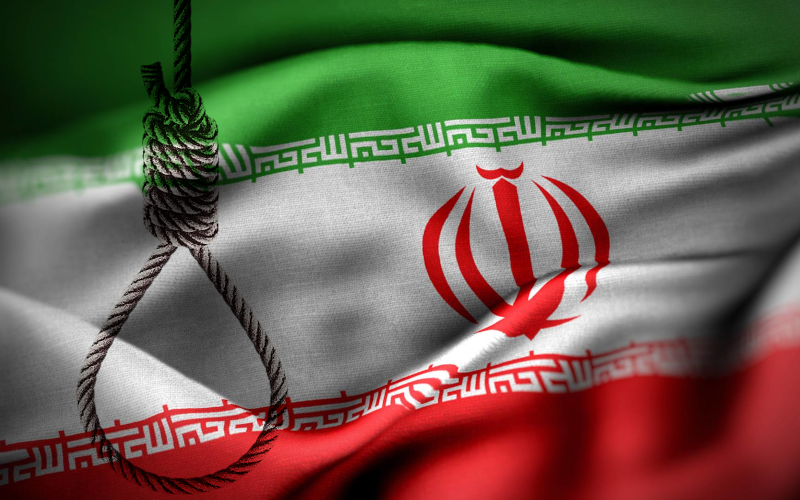

Ordibehesht 1404 (April–May 2025) marked the bloodiest month in Iran in recent memory, with at least 165 executions recorded, including four women and two juvenile offenders. On the final day of the month alone, 18 prisoners were hanged in various prisons across the country—a grim average of more than five executions per day.
Among the victims, 29 were members of the Baluch minority, comprising 19 percent of the total. The majority of executions—77 in total, or 48 percent—were reportedly carried out on drug-related charges, often in proceedings marked by secrecy and linked to shadowy activities of institutions like the Islamic Revolutionary Guard Corps (IRGC).
Executions took place across a wide range of facilities, including prisons in Isfahan, Ghezel Hesar, Karaj, Tabriz, Hamedan, Zahedan, Birjand, Yazd, and Kohnouj. The list of those executed includes names such as Arman Khanbeigi, Jaber Shahkaramzehi, Alim Brahoui, Nasser Dahar, and Meysam Khazaei—just a few among many.
Since the start of Massoud Pezeshkian’s presidency, executions have surged dramatically. In the ten months following his rise to power, at least 1,212 people have been executed, a staggering figure that human rights observers describe as unprecedented in the past three decades. The trend points to an intensifying use of capital punishment as a tool of repression and intimidation.
In response, the Iranian Resistance condemned the latest wave of executions, calling it a reflection of “the Velayat-e-Faqih regime’s fear of the people’s growing anger.” The group warned that such brutal tactics would not prevent the regime’s downfall but would instead deepen public resentment and hatred. They called on the international community, especially the UN High Commissioner for Human Rights, to take urgent action to halt the executions and refer the regime’s crimes to the UN Security Council.
The current escalation follows a deadly pattern: more than 1,000 people were executed in Iran in 2024 alone. Human rights groups say this reflects a renewed wave of judicial violence and blatant disregard for basic human rights under Iran’s theocratic rule.
In its 2024 annual report on the death penalty, Amnesty International confirmed that Iran once again ranked first globally in recorded executions. Out of 1,518 documented executions worldwide, nearly two-thirds occurred in Iran, placing the country far ahead of any other.
While the United Nations and global human rights organizations have repeatedly urged countries to abolish or at least reduce the use of the death penalty, Iran has moved in the opposite direction—increasing executions and further alarming international observers.
This sustained rise in state-sanctioned killings serves as a stark warning. Rather than deterring dissent, it signals a regime increasingly reliant on violence to maintain control—a strategy that may ultimately deepen the crisis it seeks to avoid.