


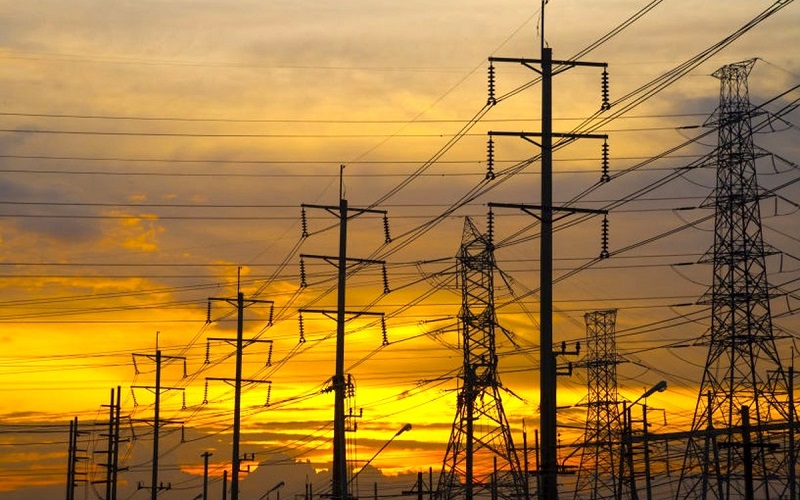

Despite grappling with a severe domestic energy shortfall, Iran continues to increase its electricity and natural gas exports, raising serious concerns about the government’s energy management strategy. Official statistics show that, even as Iran has experienced persistent electricity and gas deficits across all seasons since early 2023, its exports of these critical energy resources have not only continued but expanded.
Growing Gas Exports to Turkey and Iraq
According to the latest monthly report from Turkey’s Energy Market Regulatory Authority (EMRA), Turkey imported approximately 6.14 billion cubic meters of natural gas from Iran between March 2024 and February 2025—marking a 5% increase compared to the previous year.
Iraq, Iran’s second-largest gas client, also remains a major recipient of Iranian electricity. While no official data has been released regarding gas exports to Iraq in 2024, the Iranian Ministry of Energy reports that electricity exports reached 5.2 terawatt-hours (TWh) last year—a 6% rise over the previous year and a 13% increase compared to three years prior.
This export momentum is further reflected in the regime’s 2025 budget, which projects gas exports of 16 billion cubic meters, valued at $5 billion—a 15% increase in volume over the previous fiscal year.
A Disproportionate Source of Revenue
Although gas exports make up only about 6% of Iran’s total gas production, they yield disproportionately high revenue due to the stark contrast between heavily subsidized domestic gas prices and higher regional market prices. For the regime, the income generated from exporting this small share of gas exceeds the revenue earned from selling over 240 billion cubic meters of gas on the domestic market. A similar dynamic exists in the electricity sector.
Domestic Shortages and Industrial Disruptions
These rising exports come at a significant domestic cost. Iran faces growing challenges in supplying gas for critical uses such as power generation. This shortfall has led to widespread electricity rationing across industries and households.
Factories currently face electricity blackouts three days a week, while water supply is cut off once a week. Diesel generators—often used as a backup—are no longer a viable solution due to exorbitant fuel prices. A liter of industrial diesel now costs around 15,000 tomans, nearly 50 times the price under the subsidized quota system for private vehicles.
In an effort to manage fuel consumption and reduce smuggling, the government has introduced a three-tier pricing system for diesel fuel used in transportation: a quota rate, a semi-subsidized rate, and a full cost-recovery rate. Although no exact prices were published, reports indicate the cost of producing diesel in Iran is around 28,500 tomans per liter—nearly 100 times the current quota price.
In 2024, Iran’s diesel production grew by 3.5%, while consumption jumped by 7.5%. Daily diesel consumption averaged more than 120 million liters, outpacing domestic refinery output by 5 million liters per day. The gap has been bridged in part through international barter arrangements. Approximately half of the country’s diesel is consumed by the transportation sector, with the remainder going to industries, power plants, and other uses.
Importing Power: A Costly Alternative?
In a rare move, Mohammad Allahdad, Deputy Director of the Iran Power Generation, Transmission and Distribution Company (Tavanir), announced on May 20 that large industrial consumers may now import electricity from Azerbaijan and Turkey via grid interconnections. However, due to the significant price disparity between imported electricity and heavily subsidized domestic rates, it remains unclear whether this solution is economically feasible for most industries.
Any significant increase in energy costs for manufacturers is likely to be passed on to consumers, exacerbating the country’s already high inflation rate.
Limited Infrastructure, Massive Deficits
Once customers of Iranian electricity, both Turkey and Azerbaijan have now become major electricity exporters, thanks to rapid investments in solar and wind energy. Meanwhile, Iran faces a power generation deficit of 15,000 megawatts in winter and up to 25,000 megawatts during the summer months.
The combined electricity import capacity from Azerbaijan and Turkey stands at just 850 megawatts, enough to offset only 3.4% of Iran’s peak summer shortfall. Even if Armenia, Azerbaijan, and Turkmenistan were to supply all their electricity production to Iran, it would still not be sufficient to bridge the gap.
In 2024, these three countries exported 3.4 TWh of electricity to Iran—less than 1% of the country’s total consumption. Ironically, Iran exported 1.5 times this amount to other countries during the same period.
Gas: A Worsening Outlook
The gas situation is arguably even more dire than electricity. Over the past several years, Iran’s natural gas production and electricity generation have each grown at a modest annual rate of 2%, while consumption growth has outpaced both, exceeding 6% annually. This growing mismatch continues to strain the domestic energy supply system, with few signs of corrective action from the authorities.
Iran’s rising energy exports in the face of worsening domestic shortages underscore a dangerous prioritization of short-term revenue over national energy security. As industries struggle with blackouts and households face mounting energy costs, the government’s export-driven energy strategy appears increasingly unsustainable—especially in light of stagnant infrastructure investment, rising consumption, and the global shift toward renewable energy.