
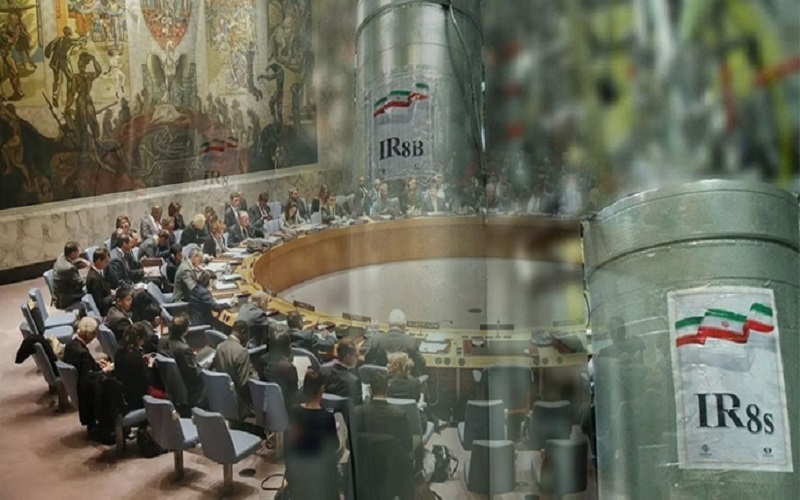

While the West sets an end-of-August deadline for a nuclear deal, Tehran warns of preconditions, NPT withdrawal, and strategic retaliation, accusing the U.S. of deception and sabotage.
As international pressure intensifies over Iran’s nuclear program, the Iranian regime has adopted a sharply confrontational stance against the West, particularly the United States, signaling a breakdown in diplomacy and a possible return to full-scale confrontation. A new statement from the Iranian Parliament, issued on July 16, reflects Tehran’s hardened position: negotiations, if they occur at all, must now be preceded by strict preconditions.
Parliament Statement: “Death to America Means Death to Its Leaders”
In its latest declaration, the Iranian Parliament emphasized that “negotiation cannot proceed as before” and that the Islamic Republic must impose “preconditions” before engaging in any new talks. The statement doubled down on the regime’s long-standing slogan “Death to America,” clarifying that it is aimed at U.S. leadership—especially US President Donald Trump and the ruling elite—not the American people.
The Parliament also endorsed the suspension of cooperation with the International Atomic Energy Agency (IAEA) until Iran’s “complete security” is ensured, accusing both the United States and the IAEA of legitimizing illegal attacks against Iran’s nuclear infrastructure.
“The U.S. uses negotiations as a cover for surprise military strikes,” the statement warned, adding, “Iran will not be deceived again.”
The Parliament reaffirmed that “the leader’s directives are the final word in national strategy,” emphasizing complete alignment with Supreme Leader Ali Khamenei’s instructions.
Western Powers Set Deadline; Iran Threatens Retaliation
According to a report from Axios (July 14), the foreign ministers of the U.S., UK, France, and Germany have set August 31 as the final deadline for reaching a nuclear agreement with Iran. If no deal is reached, the European powers intend to activate the “snapback” mechanism, which would reinstate UN Security Council sanctions within 30 days. The timeline is aimed at completing the sanctions process before Russia assumes the presidency of the Security Council in October.
Simultaneously, Mike Waltz, Donald Trump’s nominee for U.S. Ambassador to the United Nations, stated in a Senate hearing that “Iran should have no right to enrichment” and called for the immediate return of IAEA inspectors to Iran, indicating deep coordination between the U.S. and its European allies.
Tehran’s Response: Threats of NPT Withdrawal and Military Action
Iranian regime officials have responded with threats of escalation. Media linked to the Islamic Revolutionary Guard Corps (IRGC) report that Tehran is considering options such as:
- Withdrawing from the Nuclear Non-Proliferation Treaty (NPT)
- Raising uranium enrichment to 90%
- Deploying advanced centrifuges
- Curtailing IAEA oversight
There are even indications that using enriched uranium for military purposes is now openly discussed within regime circles.
Hossein Shariatmadari, editor of Kayhan and representative of the Supreme Leader, proposed using the closure of the Strait of Hormuz as a pressure tactic, a move that reportedly is under review in the Iranian Parliament.
Key officials, including Alaeddin Boroujerdi and members of the parliamentary National Security Commission, echoed threats to exit the NPT and warned that any activation of the snapback mechanism would terminate diplomatic channels.
Foad Izadi: “Negotiations Were a Strategic Mistake”
On Iranian state television, regime-affiliated analyst Foad Izadi launched a scathing critique of Iran’s handling of diplomacy with the West. He argued that Iran failed to heed Khamenei’s warnings about the unreliability of the U.S., particularly under Donald Trump. According to Izadi, Tehran made a strategic miscalculation by treating the nuclear file and the threat of war as separate issues.
“The idea that negotiations would prevent war was naïve,” Izadi stated. “They used negotiations as a deception. We were negotiating, and they were planning a strike.”
He further claimed that many Iranian analysts failed to recognize that the U.S. and Israel were acting in coordination and that belief in the possibility of trustworthy negotiation led to “deadly missteps.”
Izadi also warned that continued overtures for negotiations may be interpreted by the West as a sign of weakness, which could invite further aggression.
Outlook: Escalation or Collapse?
With the August 31 deadline approaching and the UN sanctions snapback on the horizon, Iran and the West appear to be heading toward a critical impasse. Tehran’s threats, including closing the Strait of Hormuz and escalating its nuclear program beyond peaceful thresholds, represent a high-stakes gamble. The regime is signaling that any new pressure will be met with retaliatory action, and that trust in Western diplomacy has effectively collapsed.
Meanwhile, Western powers are moving swiftly to seal off Tehran’s nuclear options before Russia gains procedural control in the UN, highlighting the geopolitical urgency of the moment.
This emerging confrontation—grounded in mistrust, threats, and increasingly rigid ideological lines—marks the potential end of the JCPOA-era diplomacy and the opening of a new, unpredictable chapter in the Iran-West conflict.