


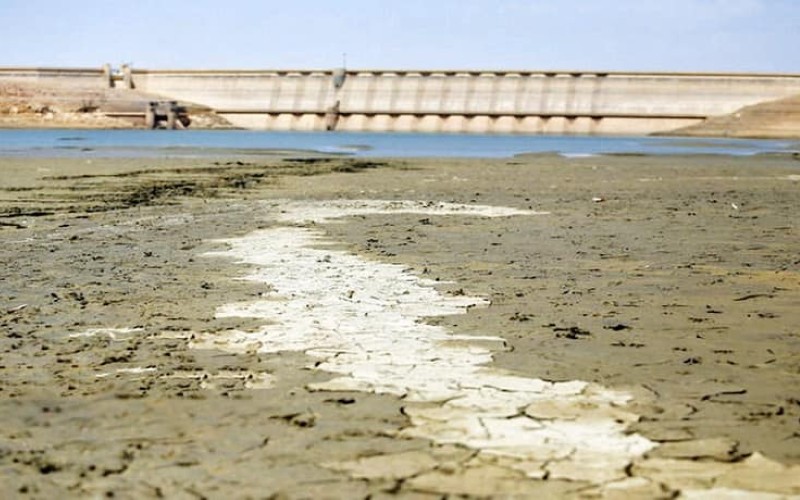

Chronic mismanagement, climate stress, and lack of investment in rural infrastructure are forcing Iran’s villagers into the slums of major cities, deepening poverty and social unrest.
Severe water shortages and restrictions across several Iranian provinces are accelerating a new wave of migration toward the capital. With Tehran already acting as a magnet for internal migration, the threat of expanding informal settlements is growing.
Over the past two decades, much of this migration has concentrated in unofficial neighborhoods within and around the capital, home to at least 300,000 households. These communities are marked by dire housing shortages, poverty, and lack of basic services. For many, escaping parched villages has become the only option—but it carries three major consequences: rising food insecurity, the spread of urban poverty, and increased social instability.
The Water Crisis and Its Rural Toll
Water scarcity and unemployment now define life in Iran’s villages. Without swift solutions, rural populations are being pushed into cities. This shift threatens the country’s food security, as depopulated villages can no longer sustain agricultural production.
The cost of modern irrigation methods and crop reforms is high, but experts stress that it is far less than the price of managing sprawling informal settlements later. Still, the regime has failed to prioritize such investments, allowing the crisis to fester.
Energy and water imbalances also plague much of the country. Nearly all towns and villages face periodic blackouts and water cuts each year. Villages in central Iran are hit especially hard, undermining livelihoods and deepening despair.
Forced Migration as Survival
In one stark example, officials admitted that the water sources of more than 300 villages in Yazd Province have completely dried up. Drinking water is now delivered by tankers, but villagers are told it must not be used for agriculture. Without irrigation, farming collapses—leaving families with no choice but to abandon their homes.
Those with means attempt to move into cities legally. But the majority, stripped of agricultural and pastoral livelihoods, are driven into informal settlements on the fringes of major cities. There, they become “unofficial citizens,” trapped in cycles of poverty and exclusion.
The Spread of Informal Settlements
At present, at least two million households in Iran live in informal settlements. In Tehran alone, roughly 300,000 households reside in neighborhoods such as Darreh Farahzad and Khalezar. Deprived of urban services, they endure the harshest forms of housing poverty.
These settlements foster crime, addiction, and social decay, while also straining already fragile urban infrastructures. Despite regime claims that measures have been taken since the 1990s to address the issue, little meaningful progress has been made.
Urban Imbalances and Population Growth
Experience from recent years shows that the only way to slow the growth of informal settlements is to prevent migration in the first place—by making rural life sustainable. Yet decades of neglect have created a pattern of mass exodus from villages.
The consequences are clear: social tensions in slums, overburdened urban utilities, and declining food security as farmland is abandoned. Urban poverty in Iran is not a natural demographic trend but the direct result of regime mismanagement, drought, and economic policies that concentrate resources in Tehran while leaving rural communities to collapse.
While Tehran’s population grows by less than 2% annually, surrounding towns have exploded. Garmdareh’s population has risen by 33%, Robat Karim by 16%, Pardis by 13.3%, and Islamshahr by nearly 10%—almost entirely driven by migration, not natural growth.
A Brewing Social Time Bomb
With nearly 85% of Iran’s population expected to live in cities by 2030—far above the global average—the regime faces an escalating security dilemma. As past uprisings in Islamshahr in 2019 and nationwide in 2022 showed, these marginalized urban populations are tinderboxes of social unrest.
Poverty in these settlements is not only an economic crisis but a political one. Social dissatisfaction quickly transforms into organized resistance against the regime. For Tehran’s rulers, the issue is no longer just about bread and livelihood—it is about survival.