Prisoner accuses IRGC of smearing resistance groups, reiterates support for Maryam Rajavi’s “third option” and the role of Resistance Units.
Evin Prison — October 22, 2025
A voice message recorded inside Tehran’s notorious Evin Prison and released by an Iranian political prisoner, Shahin Zoghi-Tabar, offers a firsthand account of renewed arrests and the interrogation tactics now being used by Iran’s Islamic Revolutionary Guard Corps (IRGC) intelligence. Zoghi-Tabar, a former political detainee who says he was re-arrested on July 24, 2025, called on Iranians and the international community to recognize what he called the true face of the regime and to support the organized resistance he believes can end clerical rule.
Speaking directly to the leaders and activists of the Iranian opposition, Zoghi-Tabar said: “I am, like all the people of Iran, one of the hostages of the terrorist Corps.” From inside Evin, he described what he called a new and harsher line of interrogation and prison conditions, and accused the regime of a deliberate campaign to delegitimize opposition movements.
Zoghi-Tabar alleged that the Ministry of Intelligence and the IRGC are pursuing “a sinister plan” to portray the People’s Mojahedin Organization of Iran (PMOI/MEK) and the Resistance Units — as collaborators with Israel and supporters of a return to monarchy. According to the prisoner, this smear campaign aims to isolate resistance forces from the Iranian public and the international community.
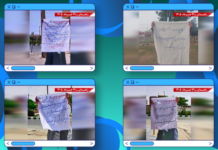
“I felt it necessary, as a supporter of the PMOI and as a political prisoner, to clarify the political red line of the Iranian people,” he said, invoking a slogan commonly chanted in recent protests: “Death to the oppressor, whether shah or supreme leader.” Zoghi-Tabar framed that slogan as the essential political boundary for many Iranians and argued that the path to toppling the clerical regime runs through the Resistance Units’ tactic of organized, local uprisings.
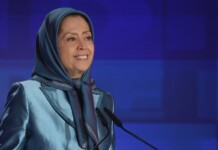
Appealing to world leaders, he urged them to consider the president-elect of the National Council Resistance of Iran (NCRI) Maryam Rajavi’s “third option” — as the most viable route to lasting peace in Iran and the wider Middle East. “The dust thrown by monarchists, clerics, and appeasers between the people of Iran and the PMOI cannot prevent the regime’s downfall,” he asserted.
Zoghi-Tabar also dismissed the idea of any legitimate restoration of the Pahlavi monarchy, calling it both impossible and undesirable. He criticized external military confrontation with this regime as ineffective and characterized diplomatic appeasement toward Tehran as futile, arguing instead for internal resistance as the decisive force.
The prisoner concluded with a firm pledge of solidarity: “My fellow political detainees and I will stand with the people of Iran to the last drop of our blood until we see the downfall of this infamous clerical regime. Hope for the freedom of the Iranian people.”
Zoghi-Tabar’s message adds to a growing stream of testimonies from inside Iranian prisons that describe intensified repression and concerted efforts by state security organs to control the narrative about opposition groups. Observers say such claims, whether contested or corroborated, highlight the high-stakes information war between the Islamic Republic and its internal opponents.