

As vital medicines vanish from pharmacies and appear on the black market, Iran’s transplant patients are paying with their lives for systemic neglect and currency mismanagement.
The quiet disappearance of life-saving medicines in Iran is not a logistical mishap or a temporary disruption. It is a policy-driven disaster, and its victims are among the most vulnerable patients in the country: those who depend on organ transplants to stay alive. Reports from regime-affiliated media now confirm what families have been warning about for months. The state has effectively abandoned transplant patients to a market where survival depends on money, connections, or sheer luck.
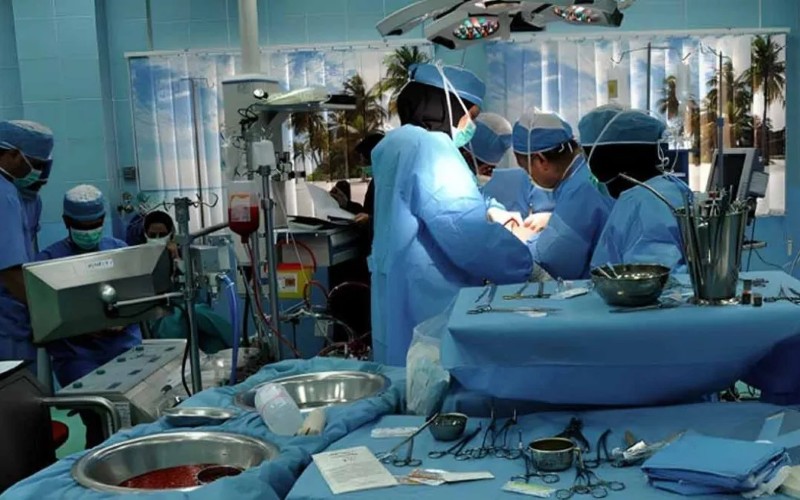
Iran has performed more than seventy thousand organ transplants since the late 2010s, a figure often cited by officials as evidence of medical progress. Yet today, that legacy is being dismantled by the regime’s inability—or unwillingness—to secure basic immunosuppressive drugs. Essential imported medicines such as Myfortic, CellCept, and Valcyte have vanished from specialized pharmacies and resurfaced in the black market at prices ranging from eleven to fourteen million tomans. For patients whose bodies will reject a transplanted organ without these drugs, the shortage is not an inconvenience; it is a death sentence deferred.
The human cost of this failure is written into the daily panic of families who must choose between financial ruin and the gradual loss of their loved ones. With no reliable state supply, transplant patients are pushed outside official channels, forced to navigate an informal market that thrives precisely because the government has vacated its responsibility. This is not a grey zone of healthcare. It is a direct gamble with human life.
Even regime media acknowledge that the situation has deteriorated to the point where medicines are rationed below medical need or distributed sporadically through charitable donations from abroad. For children who have undergone organ transplants, the picture is even darker. A single bottle of CellCept syrup costs roughly three hundred and twenty euros, has no domestic alternative, and for more than a year has been available only through charitable networks. Parents report that Iranian substitutes, when they exist, are incompatible with their children’s bodies, rendering official reassurances meaningless.
As shortages deepen, protests have followed. Families of patients with rare diseases, transplant recipients, and medical associations have all raised alarms through demonstrations, formal letters, and public campaigns. These appeals share a common theme: access to medicine in Iran has become hostage to currency policy. Yet instead of transparency or urgency, patients are met with promises that produce no measurable change. The regime’s health minister has offered little beyond vague assurances, while conditions on the ground continue to worsen.
Behind the regime’s rhetoric about progress and resilience lies a healthcare system buckling under financial and administrative pressure. The state’s own Food and Drug Organization has admitted that the pharmaceutical supply chain is under severe strain due to currency shortages and delayed payments. Restrictions on foreign exchange transfers have crippled imports, directly affecting patients who cannot survive without continuous treatment. The earlier removal of preferential currency for thalassemia drugs, which sparked widespread protests, now appears less like an exception and more like a blueprint.
Officials attempt to deflect responsibility through denial. Government spokespeople insist that preferential currency for medicines has not been eliminated. Yet admissions from within the system tell a different story. The head of the Food and Drug Organization has acknowledged that pharmaceutical companies are owed roughly forty-seven thousand billion tomans by the state, with payment delays stretching to seven months. While preferential currency may exist on paper, its allocation and transfer are so restricted that it fails to reach patients in time. Iran’s annual need for medicines and medical equipment exceeds five billion dollars, and a significant portion of that funding has yet to materialize.
This contradiction exposes the regime’s strategy: deny publicly, concede quietly, and allow the consequences to unfold out of sight. But the reality cannot be concealed. Transplant patients know that without consistent access to immunosuppressive drugs, organ rejection, severe complications, and death are not hypothetical risks but predictable outcomes.
While the regime’s supreme leader Ali Khamenei speaks of reaching a “peak of progress,” Iran’s healthcare system tells a story of regression and quiet collapse. The crisis facing transplant patients is not an isolated failure but a warning signal. When a state cannot guarantee the most basic conditions for survival to those it has already operated on, claims of advancement ring hollow.
The truth is stark. Iran’s regime has turned medical survival into a currency calculation and human life into collateral damage. No amount of denial can obscure the fact that transplant patients are dying not from a lack of medical knowledge, but from deliberate policy choices that prioritize fiscal control and political optics over human life.