


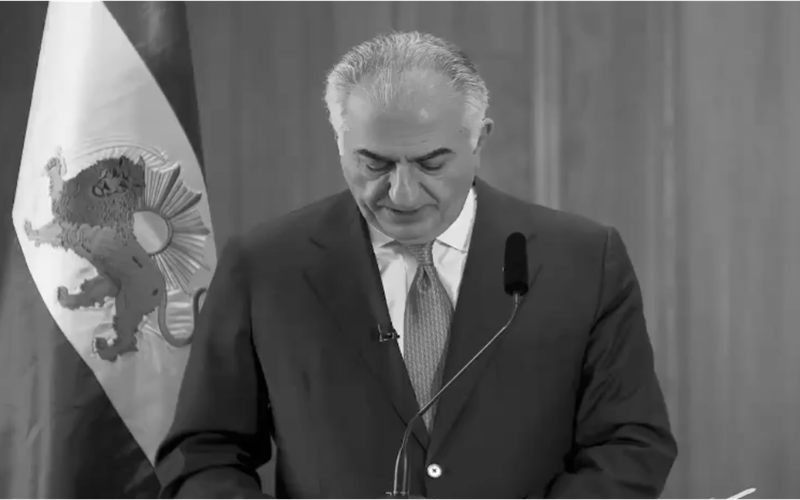

Global media exposes the Pahlavi revival as a bankrupt fantasy lacking legitimacy, history, or popular support.
The Global Rejection of Royal Nostalgia
“Monarchy: a past that has no future.” These words aren’t the invention of regime apologists or protest slogans—they represent a damning consensus emerging from credible international media assessing the push to restore Iran’s monarchy.
As certain exile groups desperately promote the Pahlavi crown as Iran’s salvation, the world’s response is clear and unforgiving: this project lacks any historical foundation, political legitimacy, or relevance to today’s Iran. It’s a relic peddled to the uninformed, and global observers aren’t buying it.
Dagens Nyheter Buries the Shah’s Legacy
The authoritative Swedish newspaper Dagens Nyheter—boasting 1.5 to 2 million daily online readers—delivered a searing editorial on April 11 that left no room for delusion. Reminding readers of the Shah’s police state built on torture and repression, the paper linked those very failures to the 1979 Revolution that toppled the dynasty.
Crucially, it skewered Reza Pahlavi’s recent stance and wrote that Pahlavi may see American bombs as ‘humanitarian intervention,’ but it’s ordinary Iranians—not royal dreamers—who suffer from the bombs, violence, and regime repression. This isn’t subtle criticism; it’s a stake through the heart of monarchist pretensions.
France Info Declares the “Little King” Politically Dead
France Info went even further, pronouncing the project politically extinct. Its foreign editor was blunt: after Pahlavi’s endorsement of Israeli attacks, “the little king is politically dead”—erased by history itself.
“He who claimed Israel and America’s strikes were for Iran’s freedom has been wiped from the historical record. History will certainly be written without him.” These aren’t whispers from obscure blogs; they’re mainstream condemnations exposing the disconnect between Pahlavi’s fantasies and Iran’s reality.
François Asselineau Calls It “Absurd” and Discredited
French politician François Asselineau delivered a historical takedown, branding the monarchy revival “ridiculous” at its core. He traced the Pahlavi dynasty’s origins to foreign-backed coups, SAVAK’s reign of terror, and total dependence on Western powers—failures that doomed it then and disqualify it now.
Asselineau zeroed in on the fatal blow: Pahlavi’s support for bombing Iranian civilians to pave his path to the throne. “This reality—that he endorsed massive attacks on his own people to reclaim his crown—completely discredited him in the eyes of nearly all Iranians.” No monarchist spin can erase that stain.
The Common Thread: A Project Without Roots
These voices—from Sweden’s editorial boards to France’s political elite—converge on one inescapable truth: in a nation rising against dictatorship, clinging to failed historical models or begging for foreign bombs is no path to freedom; it’s a betrayal of the struggle.
International media aren’t engaged in partisan squabbles—they’re rendering a unified historical judgment. A movement bereft of social base, political insight, or genuine Iranian support cannot claim the future. This isn’t competition; it’s obsolescence.
Iran’s True Future Lies with Its People
What emerges from these analyses isn’t mere political rivalry, but a definitive historical verdict: Iran’s tomorrow belongs to its society, its youth, and the uprising generation forging their destiny—not to recycled nostalgia for hereditary tyranny.
The Pahlavi mirage offers nothing but division, irrelevance, and a dangerous flirtation with the past’s worst impulses. And that’s why, now more than ever, the phrase rings with undeniable truth: Monarchy is a past that has no future.