


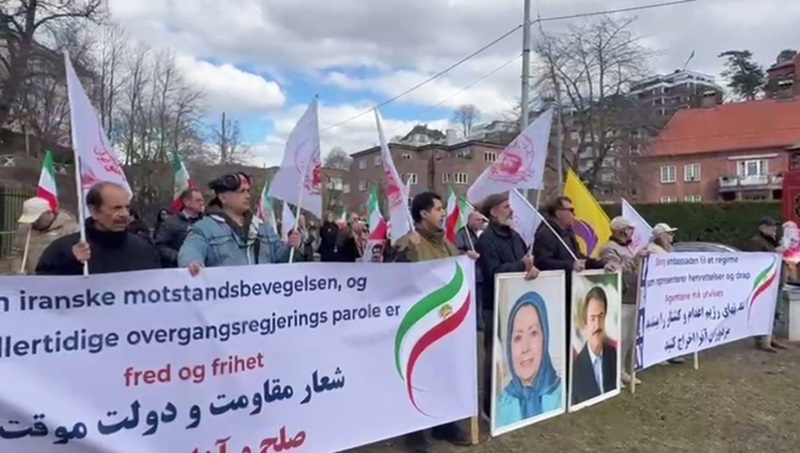

Rejecting both foreign bombs and regime compromise, Iran’s future demands an independent national strategy rooted in its people’s resilience.
Iran’s Defining Crossroads
These days, the final outcome of the war dominates Iranian minds—and rightfully so when it comes to securing the nation’s future. Yet if we position Iran’s destiny as the top priority of this critical moment, we must first understand our current reality. Only then can we navigate it strategically—using military terminology—for a guaranteed future aligned with our national interests.
The war’s origins lie in the Iranian regime’s deliberate provocations: decades of regional terrorism, missile proliferation, and nuclear brinkmanship. The regime’s endless “Death to…” chants at official rallies didn’t just inflame rhetoric—they actively paved the way for foreign intervention.
War’s False Promises Exposed
The war has spawned countless narratives, interpretations, and projections. Each grapples with fundamental questions: Where is this conflict taking our country? Will it deliver Iran’s salvation through freedom and democracy? Or is this a false hope masking deeper peril?
After roughly 40 days of relentless, round-the-clock combat, reality has delivered its verdict: Iran’s future of liberty and democracy cannot be wagered on the fortunes of war. Pinning national redemption on war as a savior leads only to disillusionment and despair. Tethering the dream of overthrowing dictatorship to foreign military outcomes breeds passivity, irresponsibility, and the squandering of our energy, potential, and hope.
Neighboring countries’ war experiences—and parallel cases worldwide—confirm this bitter truth. As one Persian proverb warns: “Wherever I turned, my bewilderment only grew.” These lessons, purchased at immeasurable human cost, underscore that military salvation is a mirage.
Embracing the Ceasefire, Charting the Third Path
This temporary ceasefire must be welcomed as an opportunity—a chance to rally national resources and solidarity around the Third Path, rejecting both appeasement and war. Our collective talent, energy, hope, creativity, and sense of responsibility must be channeled into this independent course. Here, potential will flourish, and a brighter horizon will emerge.
The critical question becomes: How can the Third Path rise from concept to practical strategy? The answer lies in rediscovering Iran’s internal capacities—strengths long suppressed by repression, censorship, and cascading crises, yet never extinguished.
Iran’s Proven Resilience
The uprisings of the past three decades testify to Iran’s remarkable ability to rebuild itself at history’s turning points, forging entirely new paths forward. The Third Path for toppling the clerics’ totalitarian regime rests fundamentally on this dynamic society’s social power—not foreign powers, nor wartime bargains.
This makes embracing the Third Path not just rational, but a historical and national imperative.
The Elite’s Pivotal Role
Advancing the Third Path demands leadership from Iran’s intellectual, political, and cultural elites. They must shatter the false dichotomy of “reform vs. war,” opening fresh horizons for public discourse and imagination.
Yet the Third Path isn’t cost-free. It requires organization, persistence, and strategic discipline. Still, it remains the only route that preserves Iran’s human, spiritual, and material capital while securing a future founded on freedom, democracy, and human dignity.
From External Salvation to Internal Agency
Ultimately, the decisive shift lies in moving from waiting for “external rescue” to embracing internal responsibility. Iran’s future will be shaped solely by its people’s conscious will and action.
This is precisely where the Third Path transforms from mere program to historical necessity with concrete agency—a movement that turns Iran’s accumulated potential into the foundation of its democratic rebirth.