


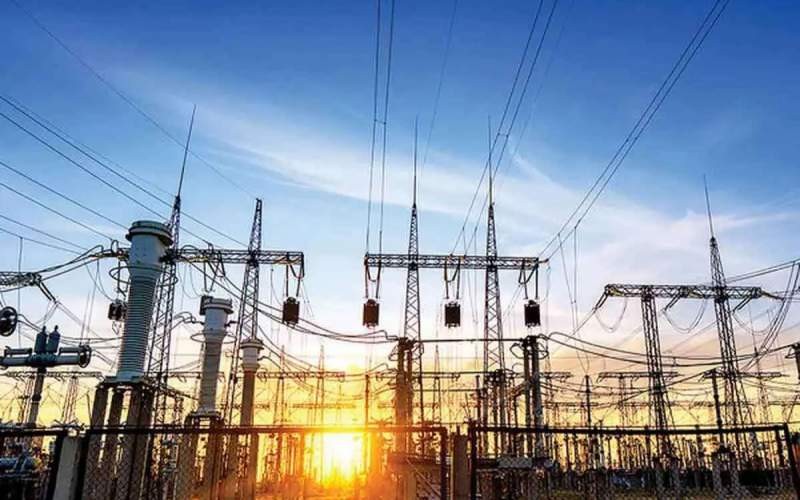

A nation with the world’s fourth-largest energy reserves now faces blackouts, water shortages, fuel scarcity, and industrial shutdowns—symptoms of a corrupt system that prioritizes war and repression over the welfare of its people.
Despite its immense natural wealth, Iran today is sinking into darkness. Economist Mahmoud Jam-Saz, writing in Arman Melli newspaper on August 25, revealed how the clerical regime’s corruption and mismanagement have brought the country to the edge of economic and social collapse.
Jam-Saz pointed out that although Iran ranks among the top four countries in global energy reserves, it now struggles with shortages. The crisis, he said, was predictable years ago, but no structural reforms or serious investments were ever made. Instead, blackouts have become routine, hitting provinces such as Khuzestan and Sistan-Baluchestan where summer temperatures soar above 45 degrees, while industrial production has fallen by as much as 50 percent.
The country’s maximum effective electricity generation capacity is about 75,000 megawatts, while peak demand has reached 90,000 megawatts, leaving a shortfall of 24,000 megawatts. This imbalance is not the result of sanctions or lack of resources but of the regime’s priorities. Jam-Saz noted that after the recent 12-day war, the focus of state spending shifted to building weapons and strengthening military forces, leaving little space for investment in essential services such as power and water.
The problem is compounded by structural corruption. Even during blackouts, regime insiders and privileged consumers are spared while ordinary citizens are left in the dark. Energy losses in transmission and distribution amount to up to 15 percent of production—equal to 10,000 megawatts, or ten times the capacity of the Bushehr nuclear plant. Meanwhile, more than 220,000 illegal cryptocurrency mining machines have been uncovered, consuming an estimated 3,000 megawatts. Rather than addressing this theft, the regime has allowed cronies to profit from it.
The consequences are catastrophic. Blackouts are costing industry up to 10 trillion tomans per day, forcing small and medium enterprises to shut down and lay off workers. In the Tehran area alone, some 3,000 workshops have closed. Jam-Saz warned that if this continues, Iran’s GDP could contract by 4 to 5 percent, driving unemployment, inflation, and budget deficits to new heights. At the same time, the National Development Fund has been reduced to just $11 billion, leaving the country dangerously exposed to any external shock.
Social unrest is already surfacing. With water shortages compounding the blackout crisis, local protests in southern cities could soon expand nationwide. The regime’s inability to respond highlights that Iran’s real problem is not energy or sanctions, but the political system itself.
The clerical regime has sacrificed national development for militarism, repression, and the export of terrorism. The energy crisis is only one symptom of a deeper collapse. A system that prioritizes war and survival over the welfare of its citizens cannot be reformed. The only genuine solution lies in ending this corrupt structure and returning power to its rightful owners—the people of Iran.