


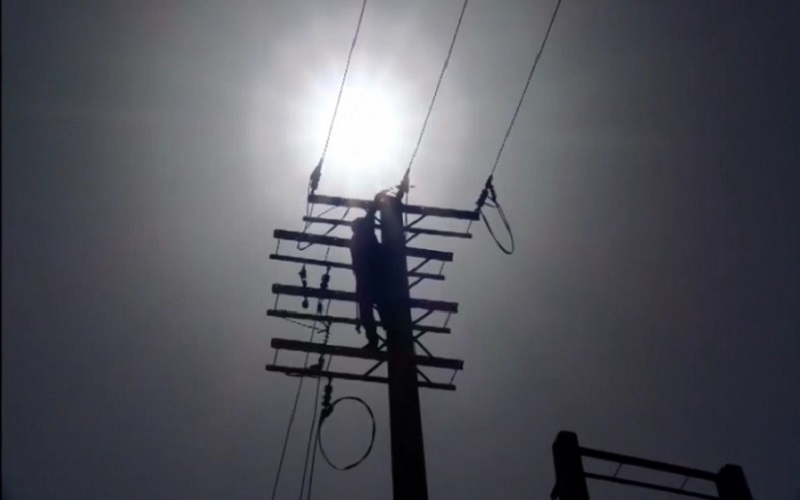

Across Iran, frequent and unannounced power cuts are causing significant financial losses to businesses and agricultural sectors, highlighting a growing energy crisis in the country. From pistachio farms to industrial zones, the impact of these outages is being felt in various provinces, raising concerns about long-term economic consequences.
Agricultural Sector Hit Hard
In Yazd province, the pistachio industry has been particularly affected. Mohammad Mehdi Shatrangi, director of horticulture affairs at the Agricultural Jihad Organization of Yazd, reported damages amounting to 7 trillion tomans due to power cuts to agricultural wells. The situation has been exacerbated by extreme heat in recent months, leading to a decrease in gross pistachio production.
Shatrangi warned that the current policy of cutting electricity to agricultural wells for five hours daily, especially in small-scale farms, is prolonging irrigation times and could have destructive long-term effects on agricultural production.
Similar concerns have been echoed in Kerman province, where Mohammad Reza Torabi, head of the Kerman Chamber of Agriculture Commission, stated that between 20% and 40% of the province’s pistachio crop has been destroyed. The power cuts have also damaged fish breeding ponds in the region.
Urban and Industrial Impact
The power crisis is not limited to rural areas. In Isfahan, unplanned outages have caused widespread disruption. The General Director of Crisis Management of Isfahan Governorate reported that power cuts have led to traffic disruptions, damage to electronic devices, and significant problems for commercial units, farmers, and industrial towns. In one week alone, 194 people were trapped in elevators due to sudden power outages.
Industrial sectors are facing severe challenges as well. Samad Hassanzadeh, head of Iran’s Chamber of Commerce, Industries and Mines, criticized the Ministry of Energy for disrupting the activities of the private sector. Many factories across the country have been forced to reduce operations or shut down completely during peak hours.
In Mashhad, factory owners received circulars requiring them to close from 7:00 a.m. to 7:00 p.m. for two weeks due to electricity shortages. Tehran’s industrial towns face similar restrictions, with some factories having their power cut during night shifts.
The cement industry has been hit particularly hard, with Ali Akbar Alwandian, secretary of the Cement Industry Employers’ Association, reporting that 70% of cement furnaces have stopped due to power cuts.
Public Outcry and Protests
The situation has led to public protests in several areas. In Saveh, farmers and gardeners gathered in front of the electricity department building to protest against power cuts that damaged their crops. Social media videos have shown citizens in various cities expressing frustration over the impact on their businesses and daily lives.
A Systemic Problem
Experts argue that the power crisis is symptomatic of deeper issues in Iran’s energy sector. Hashem Orei, a professor at Sharif University of Technology, stated that the entire country’s energy system is in crisis, with demand outstripping supply.
Mohammad Pakmehr, spokesman for the energy security faction in Iran’s Parliament, revealed that the country faces a shortage of 10,000-12,000 megawatts of electricity, requiring an investment of $10 billion to address.
Paradoxically, despite these domestic shortages, the Iranian regime continues to export electricity to neighboring countries, including Iraq, Afghanistan, Pakistan, and Turkey. This policy has drawn criticism from those who argue that domestic needs should be prioritized over export revenues.
Conclusion
As Iran grapples with this escalating power crisis, the economic impact continues to grow. From agriculture to industry, businesses across the country are suffering significant losses. Without substantial investment in energy infrastructure and a reevaluation of energy policies, the situation is likely to worsen, potentially leading to long-term economic consequences and increased social unrest.