As executions intensify and repression deepens across Iran, a new generation of defiant youth and organized resistance networks is challenging the regime’s strategy of fear, exposing the growing fragility of the clerical dictatorship and the collapse of long-standing illusions about reform or appeasement.
Iran today stands at the center of an extraordinary and volatile historical moment. Beneath the surface of daily repression and orchestrated propaganda, an intense struggle is unfolding between a deeply oppressed society and a ruling establishment that increasingly depends on executions, terror, and regional aggression to preserve its grip on power.
At the heart of this confrontation, a new generation of rebellious youth and organized resistance networks has emerged across the country, challenging the regime in ways that expose the growing weakness beneath its facade of absolute control.
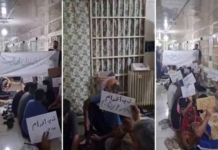
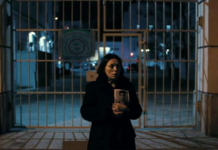
The ruling clerical establishment appears convinced that public executions, mass arrests, and relentless intimidation can extinguish the rising anger simmering throughout Iranian society. By sending political prisoners and dissidents to the gallows in prisons such as Qezel Hesar and Evin, the regime seeks to project fear and inevitability. Yet the opposite dynamic increasingly appears to be taking shape.

Rather than silencing dissent, repression has become a catalyst for deeper defiance.
The courage displayed by young prisoners facing execution — including acts of resistance and defiant chanting in the final moments before death — has resonated far beyond prison walls. These scenes have strengthened the determination of a generation that no longer views fear as sufficient reason for submission. In a society shaped by decades of executions, massacres, and political persecution, the regime’s traditional instruments of intimidation are steadily losing their effectiveness.
This transformation is politically significant because authoritarian systems ultimately survive not only through violence but through the perception that resistance is futile. Once that psychological barrier begins to collapse, repression alone becomes insufficient to sustain long-term stability.
Recent coordinated actions targeting symbols and centers of state authority have further deepened the regime’s anxiety. Such operations demonstrate that organized opposition is not merely surviving under severe repression but adapting, expanding, and developing the capacity to challenge the state’s security apparatus directly.
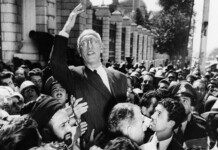
For years, Western appeasement policies and sections of the international media attempted to frame Iran’s crisis through false binaries and artificial alternatives. Some promoted the illusion that the clerical regime could be moderated through negotiations and concessions. Others attempted to revive remnants of the former monarchical dictatorship as a substitute for genuine democratic change.

Both approaches fundamentally misread the nature of the Iranian crisis.
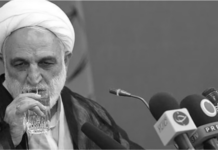
The core issue facing Iran is not simply a dispute over governance models or factional rivalries within power structures. It is the existence of a deeply entrenched authoritarian system whose survival depends on systematic repression at home and destabilization abroad. The regime’s escalating violence is not a sign of strength but an indication of mounting desperation as internal fractures widen and public discontent intensifies.
The events unfolding today increasingly demonstrate that meaningful political transformation in Iran is unlikely to emerge either through foreign intervention or through gradual internal reform engineered by the ruling establishment itself. The driving force behind change is instead rooted in organized resistance, social unrest, and the accumulated grievances of a society that has endured decades of repression and economic devastation.
This reality also explains why the regime has dramatically intensified executions in recent months. Public violence serves not only as punishment but as political theater — an attempt to conceal the leadership’s growing insecurity and internal divisions. Yet every execution risks producing the opposite effect: transforming victims into symbols of resistance and reinforcing the belief that confrontation with the regime has become unavoidable.

Iran and the broader region now appear to be approaching a decisive turning point.
The struggle unfolding inside the country is no longer merely about isolated protests or temporary political crises. It reflects a deeper historical conflict between authoritarian rule and a generation increasingly unwilling to accept either religious dictatorship or the return of past forms of autocracy. The slogans rejecting both the Shah and the ruling clerics capture this broader demand for a fundamentally different political future.
Ultimately, the persistence of imprisoned activists, the expansion of resistance networks, and the continued acts of defiance across Iranian cities point toward one central conclusion: the future of Iran will not be determined through external miracles, diplomatic appeasement, or cosmetic reforms imposed from above.

It will be shaped by the outcome of an escalating confrontation between a regime fighting for survival and a generation determined to reclaim the country from authoritarian rule.
For the clerical establishment, that prospect represents its greatest fear. For millions of Iranians, it increasingly represents the possibility of a different future.