



In its latest report on labor market dynamics, the Statistical Center of Iran has highlighted a significant and continuing shift in the country’s employment landscape. The data reveals a growing dominance of the services sector, a shrinking role for agriculture, and a stagnating industrial sector—signaling deep structural changes in Iran’s economy and labor force.
Services Sector Surpasses 50% of Employment
According to the report, the services sector now accounts for 52.7% of total employment in Iran, marking a 0.8 percentage point increase compared to the previous year. In contrast, the agricultural sector’s share has dropped from 14.4% in 2023 to 13.9% in 2024. This decline reflects an ongoing trend of labor migration away from farming and toward less physically demanding, often urban-based work.
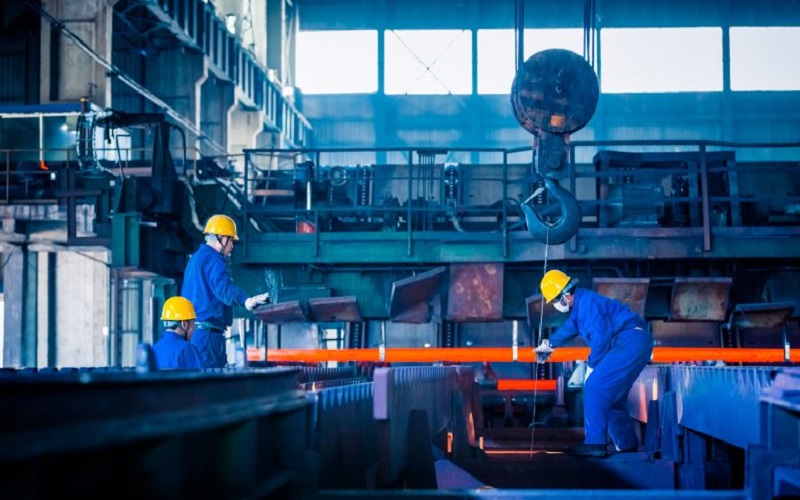
The industrial sector has also seen a modest decline in its share of employment—from 33.7% to 33.3%—a change that, while minor, reinforces the image of a sector stuck in prolonged stagnation.
Long-Term Decline in Agricultural Employment
A broader look at labor trends over the past two decades reveals that around 1.5 million people have exited agricultural employment since 2005, when the sector accounted for 26.8% of total jobs. Today’s figure—hovering around 14%—underscores a structural transformation in the nation’s employment model.
This shift has been driven by a combination of factors: reduced profitability in agriculture, recurrent droughts, chronic water shortages, rural-to-urban migration, and a lack of effective support policies for farmers. Experts widely agree that the sector’s declining productivity and economic appeal have made it increasingly unattractive, particularly to younger workers.
Industrial Sector in Recession
Signs of recession are also visible in the industrial sector. In May 2025, the Purchasing Managers’ Index (PMI) for the Iranian economy was recorded at 48.4—below the threshold of 50, indicating contraction. The industrial sector’s own PMI hovered around 50, reflecting stagnation rather than growth. A value above 50 typically signals expansion in output and economic activity, but such signs have been absent in recent months.
Analysts point to multiple causes for the industrial slowdown: frequent electricity outages, severe currency volatility, shortages of raw materials, and declining demand in both domestic and export markets. The combination of falling consumer purchasing power, dwindling export revenues, and lack of coordinated industrial support programs has pushed many small and medium-sized enterprises (SMEs) to the brink of closure.
Supporting this grim outlook, the product sales index has fallen for the third consecutive month. A recent survey by the economic daily Donya-e-Eqtesad found that over 70% of 62 surveyed economists expect the recession in the industrial sector to persist through the end of 2025.
The root causes, according to experts, lie in persistent monetary and banking restrictions, ongoing international sanctions, and Iran’s limited integration with global financial systems. As a result, capital is increasingly fleeing the productive sectors and being redirected toward less risky or speculative ventures, particularly within the services sector.
The Rise—and Risks—of the Service Economy
The services sector has become a refuge for Iran’s workforce. Its relatively low entry barriers, limited capital requirements, and greater flexibility have made it an attractive option, particularly for young job seekers. Technological adaptability and the emergence of new job categories—such as app-based services, e-commerce, and digital marketing—have further fueled this transition.
This pattern mirrors trends in many developed economies, where more than two-thirds of employment is concentrated in services. Iran appears to be following a similar path.
However, the vulnerabilities of this model should not be underestimated. The COVID-19 pandemic offered a stark reminder of the fragility of service-based employment. Many businesses in hospitality, retail, and personal services were forced to shut down during lockdowns, often without adequate government support or infrastructure to weather the crisis.
Informality on the Rise
Another growing concern is the rapid expansion of informal employment within the services sector. According to data from Iran’s Social Security Organization, roughly 60% of the workforce lacks insurance coverage—meaning they operate outside formal labor protections. This figure rises to over 75% in rural areas and stands at around 50% in urban centers.
Gender disparities are also significant: 63% of employed women and 58% of employed men are uninsured. These figures highlight a vast portion of the labor force that remains vulnerable to economic shocks, lacking both job security and social protections.
The surge in informal employment is also reflected in the proliferation of internet-based taxi services, home-run businesses, cryptocurrency trading, and social media-driven ventures. While these jobs provide flexibility and quick entry, they often lack long-term stability, benefits, or legal oversight.
A Worrisome Outlook
The overall picture painted by recent labor market data is both transformative and troubling. The shift toward the services sector is in line with global patterns, but in Iran’s case, it is occurring in an environment marked by economic instability, lack of support infrastructure, and growing informality.
The weakening of the industrial and agricultural sectors—traditionally seen as engines of long-term development and national resilience—raises serious concerns about the sustainability of Iran’s current labor model. Without targeted interventions, continued capital flight, informalization of employment, and job insecurity could undermine social justice and economic growth for years to come.