



Regime’s Mismanagement and Corruption Cause Major Loss in One of Iran’s Most Controversial Cases
A Historic Legal Defeat for Iran’s National Oil Company
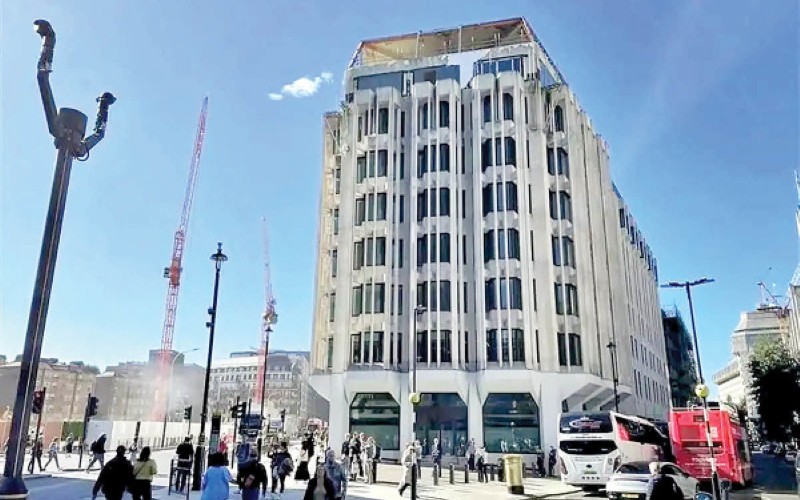
In one of the most controversial legal battles in Iran’s modern history, the National Iranian Oil Company (NIOC) has lost its appeal to retain ownership of its luxury London property. The UK Court of Appeal ruled in favor of Crescent Petroleum, authorizing the confiscation of the NIOC House—valued at £100 million ($125 million)—to help recover part of the $2.4 billion damages Iran owes in the long-standing Crescent arbitration case.
The decision marks a severe blow to Iran’s economic and diplomatic interests abroad and highlights the deep corruption and mismanagement that have plagued the regime’s oil sector for decades.
Court Ruling Confirms Transfer Was Fraudulent
According to reports by Iranian state media, Crescent Gas argued successfully that NIOC attempted to hide assets by transferring ownership of the building to the Oil Industry Pension Fund after losing the arbitration. The British court determined that this transfer was a “sham transaction” intended to avoid legal seizure and ruled the building must be handed over to the UK judiciary for compensation.
Located on Victoria Street, near the British Parliament and Westminster Abbey, the NIOC House had been owned by Iran for nearly half a century. Despite Iran’s efforts to protect it, the court confirmed earlier rulings that authorized confiscation, solidifying another legal and reputational loss for the regime.
A Pattern of Losses Across Europe
This case is not isolated. In October 2024, a court in Rotterdam ruled in favor of a Dutch company, transferring another Iranian-owned property through public auction to settle debts linked to similar arbitration disputes. Crescent had already secured a temporary seizure order in May 2022, later formalized by a Dutch court, paving the way for the building’s sale.
These rulings collectively demonstrate the growing vulnerability of Iran’s foreign assets, a direct consequence of years of corruption, opaque financial management, and political interference in the country’s state-run industries.
Origins of the Crescent Controversy
The Crescent Petroleum contract dates back to 2002, during the administration of Mohammad Khatami and then regime Oil Minister Bijan Namdar Zangeneh. The agreement allowed the export of 500 to 600 million cubic feet of sour gas per day from Iran’s Salman gas field in the Persian Gulf—shared with Abu Dhabi—to the Emirate of Sharjah for 25 years.
However, when Mahmoud Ahmadinejad assumed power, internal political rivalries and accusations of corruption derailed the deal. Critics within the regime claimed the gas was sold below market price and suspended the project entirely. This unilateral decision became the foundation of a decades-long legal battle, ultimately resulting in Iran’s multi-billion-dollar penalty.
Corruption and Political Rivalries Behind the Loss
The Crescent case has long symbolized the deep divisions and systemic corruption within the regime. It has been a recurring flashpoint in political debates between the regime’s so-called reformist and hardline factions. Former regime Oil Minister Bijan Zangeneh and regime figure Saeed Jalili, a key opponent of the deal, have repeatedly traded public accusations over responsibility for the debacle.
Regardless of factional blame, the outcome is clear: the regime’s failure to honor international commitments, coupled with chronic corruption, has led to severe economic losses and irreparable damage to Iran’s credibility in global markets.
A Costly Symbol of Regime Failure
The recent UK court ruling is more than a legal setback—it is a symbol of how the regime’s corruption, factional infighting, and disregard for contractual obligations continue to erode Iran’s economic foundations. The seizure of one of Iran’s most valuable properties abroad underscores how deeply the regime’s mismanagement has compromised the nation’s interests.
While the Iranian people struggle under economic hardship and international isolation, the ruling elite’s corrupt dealings continue to cost the country billions and further diminish its global standing.