


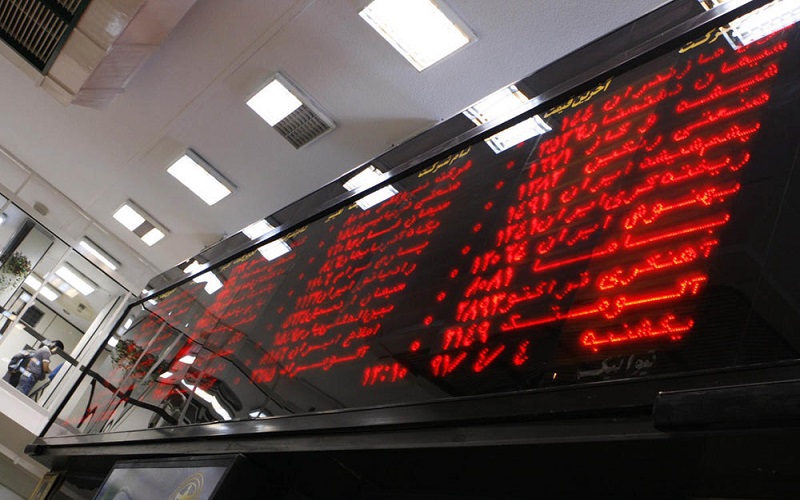

Describing Iran’s economy through conventional economic models, typically applicable to other nations, proves challenging. This complexity arises from the distinctive characteristics of the Velayat-e Faghih system, which fundamentally influences Iran’s economic framework.
Iran’s economy is characterized by a dual structure, with significant portions controlled by both non-elected institutions and the official government. Key non-elected entities, such as the Supreme Leader and associated organizations—like the Execution of Imam Khomeini’s Order, the Mostazafan Foundation, and Astan Quds Razavi—play a dominant role. This creates a unique blend of state and quasi-state monopolistic practices, where power and resources are concentrated among a small elite.
A Dual Economy
In essence, Iran’s economy operates as a fusion of governmental and quasi-governmental structures alongside institutions reliant on the Supreme Leader’s authority. These entities function independently from formal economic systems and largely operate in the shadows, circumventing legal oversight. They benefit from a lack of transparency and accountability, often engaging in tax evasion.
These institutions are structured to consolidate resources, primarily serving the interests of a select group at the apex of the Velayat-e Faghih hierarchy. As a result, access to economic resources is limited, and a network of rent-seeking individuals—often affiliated with the government—exercises extensive control over the nation’s assets. The absence of transparency and accountability stifles competition and disrupts the equitable distribution of resources.
The Role of Quasi-Governmental Institutions
Numerous economic entities under the purview of quasi-governmental and military organizations, such as the Islamic Revolutionary Guard Corps (IRGC), the Mostazafan Foundation, and the Execution of Imam Khomeini’s Order, exemplify this monopolistic structure. These institutions possess exclusive access to economic resources, thereby impeding broad economic and political participation. Consequently, power is concentrated within a small elite, stunting extensive economic growth and development.
Key examples of these institutions include:
- IRGC: This organization has a significant presence across various industries, including oil, gas, petrochemicals, construction, banking, and foreign trade. The IRGC also engages in oil smuggling, particularly to China, while benefiting from favorable currency exchange rates and low-interest bank loans.
- Execution of Imam Khomeini’s Order: Directly under the Supreme Leader, this institution manages substantial assets and economic enterprises, exerting considerable influence over Iran’s economy.
- Mostazafan Foundation and Astan Quds Razavi: These entities own vast assets and operate largely free from public and financial oversight.
Quasi-governmental and leader-dependent institutions leverage their power to monopolize economic resources, undermining transparency and preventing competitive market dynamics. Their impact can be categorized as follows:
Economic Implications
- Rent-Seeking Behavior: These institutions primarily focus on maintaining their monopolies over economic resources. They utilize natural resources, particularly oil, to finance their operations and build political and economic networks that reinforce the power of government-affiliated entities.
- Suppression of Innovation and Entrepreneurship: The existence of these entities stifles the growth of entrepreneurship and innovation. By limiting access to economic resources and restricting independent ventures, they create an environment hostile to competition. This repression is a key factor behind the capital flight from Iran and the country’s struggle to attract foreign direct investment.
- Economic Instability and Corruption: The concentration of economic power leads to widespread corruption. The political and economic networks closely aligned with the regime operate opaquely, often exploiting resources for personal gain. This dynamic negatively affects distributive justice and exacerbates socioeconomic disparities.
- Vulnerability to Global Fluctuations: Iran’s economic growth is heavily reliant on global oil prices and other natural resources. When oil prices rise, the economy may experience temporary growth, but this expansion is unsustainable. A decline in oil prices can swiftly reverse any gains, resulting in significant economic repercussions for the country.
In summary, Iran’s economy exemplifies the challenges of operating under a system dominated by powerful, mafia-like institutions. These groups leverage their influence to consolidate resources and maintain control over the economy. Such concentration of power and resources not only hinders sustainable economic growth but also exposes Iran to increased risks of corruption, instability, and economic inequality.