



In April 2025, satellite and maritime tracking firms reported a surge in covert oil transfers in East Malaysia, shedding light on Iran regime’s continued efforts to circumvent U.S. sanctions and sustain its oil trade with China.
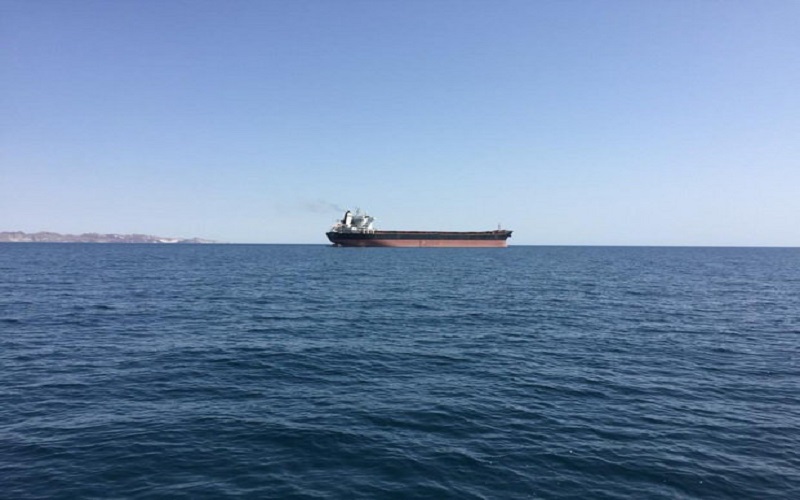
According to tanker tracking companies Kpler and Vortexa, at least six ship-to-ship (STS) oil transfers occurred off the coast of East Malaysia during April, involving vessels that deliberately turned off their tracking systems—a method known as “going dark.” This tactic, increasingly observed in Southeast Asian waters, is aimed at disguising the origin and destination of Iranian oil shipments.
A Growing Blackout Trend
Bloomberg reports that although China does not register official oil imports from the Iranian regime, it continues to receive over one million barrels per day from that regime. The majority of this oil reaches Chinese shores through a complex and opaque network of STS transfers, with East Malaysia emerging as a critical hub in this illicit supply chain.
The deliberate disabling of Automatic Identification System (AIS) transmitters—required under the SOLAS (Safety of Life at Sea) Convention—makes it more difficult to trace vessels and their cargo. These devices typically relay information such as position, speed, and course to coastal authorities and other ships to ensure navigational safety.
Although the “going dark” maneuver is not new, Bloomberg notes a marked increase in its frequency and duration in recent months, especially near Malaysia.
Case in Point: The Vanishing of the Vani
One striking example involves the oil tanker Vani, which disappeared from tracking systems on May 15 while sailing off Malaysia’s eastern coast. Five days later, the vessel reappeared with a full load—evidence of a likely STS operation. Investigations revealed that Vani had transferred oil from the US-sanctioned Iranian regime tanker Nora, which had loaded crude from Kharg Island, Iran. Vani’s next port of call is reported to be Qingdao, a major Chinese refining hub.
The Vani is owned by Avani Lines Inc., a company registered in the Marshall Islands that has not provided verifiable contact details in global shipping databases—yet another hallmark of clandestine oil trading operations.
Sanctions Evasion and Strategic Loopholes
The United States has long accused Iran regime’s of using oil revenues to fund groups like Hamas, and has responded with sweeping sanctions targeting Iranian oil tankers, ports, and refineries. However, Tehran continues to find ways to move its crude to willing buyers, particularly China’s independent refineries, often called “teapots,” which operate outside the control of major state-owned companies.
Since 2022, China has officially reported zero oil imports from Iran among OPEC nations. Nonetheless, third-party tracking data paints a different picture, consistently recording robust oil flows from Iran. These discounted imports are seen as an attractive proposition for Chinese refiners, despite the legal and diplomatic risks.
Key tactics used to mask the trade include:
- Disabling AIS tracking systems.
- Conducting STS transfers in international waters.
- Operating “zombie tankers” — vessels that are officially decommissioned but still active.
Tightening the Net
Industry experts warn that navigating sanctioned oil flows is becoming increasingly difficult. Emma Lee, a senior analyst at Vortexa, notes that enforcement efforts are intensifying, but the players involved are also evolving their strategies.
Despite these measures, Iranian oil exports remain resilient. In April 2025 alone, China reportedly imported around 1.46 million barrels per day—a figure that underscores the scale of the operation and the challenges facing sanctions enforcement.
As Iran’s regime adapts to each new layer of restrictions, the oil trade continues to find murky pathways—hidden in plain sight on the high seas.