


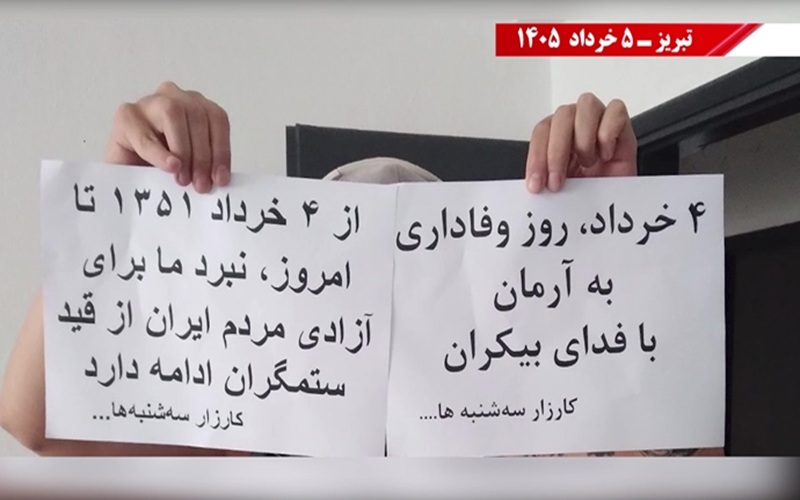

Photo campaigns and protest posters in Tehran, Tabriz, Isfahan, and other cities marked the anniversary of the PMOI founders’ execution while condemning the regime’s escalating repression and executions.
On May 26, 2026, Resistance Units across multiple Iranian cities carried out a coordinated wave of political and protest activities in response to the regime’s ongoing executions and intensifying repression. The campaign coincided with the anniversary of the execution of the founders of the People’s Mojahedin Organization of Iran (PMOI/MEK) and emphasized continuity between generations of resistance confronting religious dictatorship in Iran.
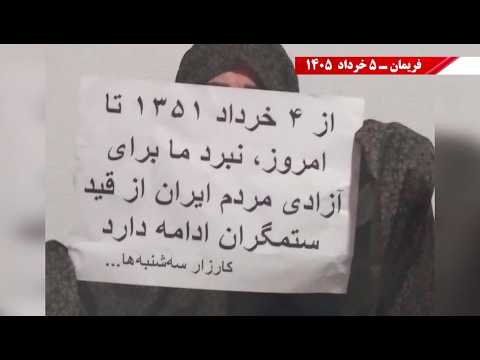
Through photo campaigns, banners, and poster installations, activists highlighted themes of perseverance, sacrifice, and defiance against state repression. Many of the slogans referenced loyalty to the ideals of freedom and the continuation of resistance despite arrests, executions, and intimidation.
One of the central slogans repeated across several cities declared:
“The battle for freedom from the chains of oppressors continues.”
Another widely displayed message stated:
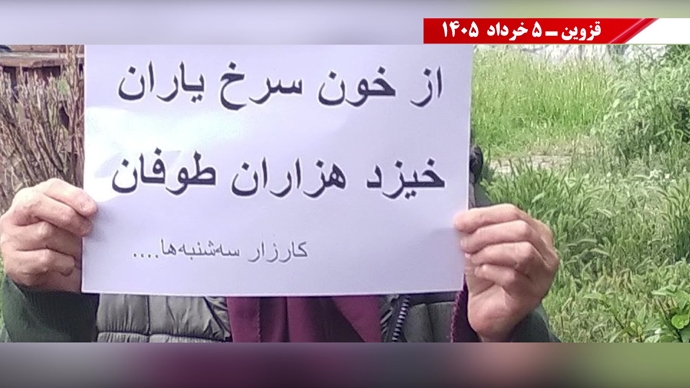
“From the red blood of our comrades shall rise thousands of storms; the Resistance Units will stand until the end.”
Activities Reported Across Multiple Cities
In Tabriz, activists organized a photo campaign connected to the ongoing “No to Execution Tuesdays” movement. The slogans commemorated May 25, 1972, as a symbol of loyalty to the cause of freedom through “limitless sacrifice” and stressed that the struggle for the liberation of the Iranian people continues to this day.
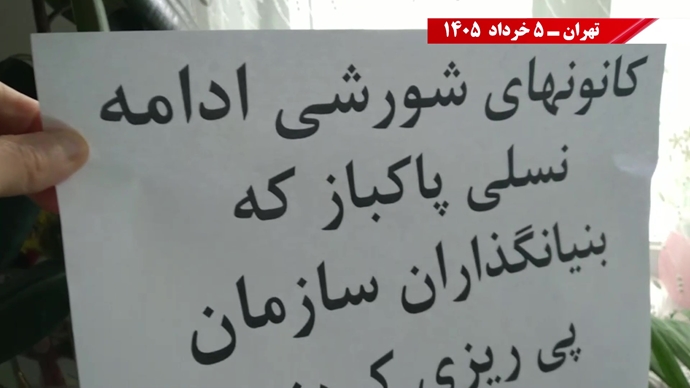
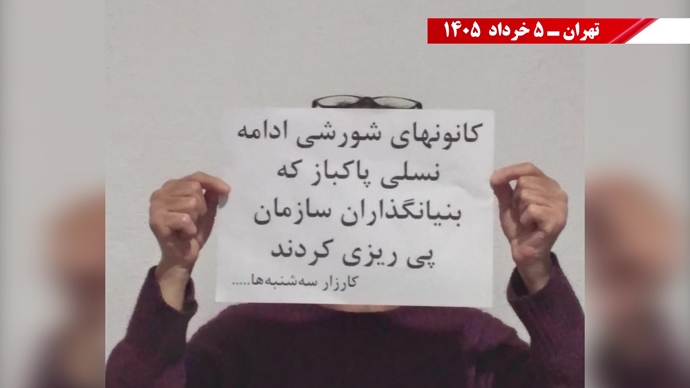
In Tehran, Resistance Units held photo actions carrying the slogan:
“Resistance Units are the continuation of the selfless generation founded by the founders of the organization.”
The campaign emphasized the continuity of organized resistance against authoritarian rule.
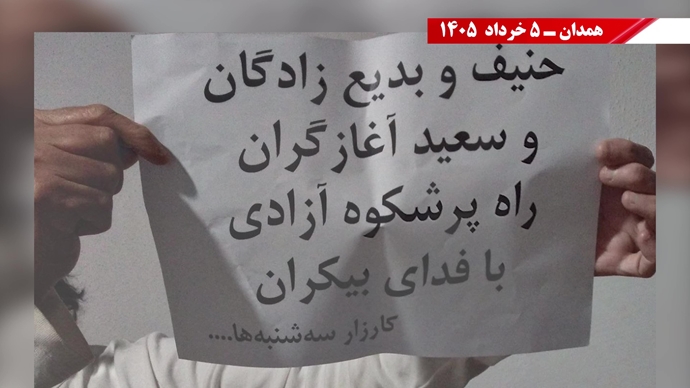
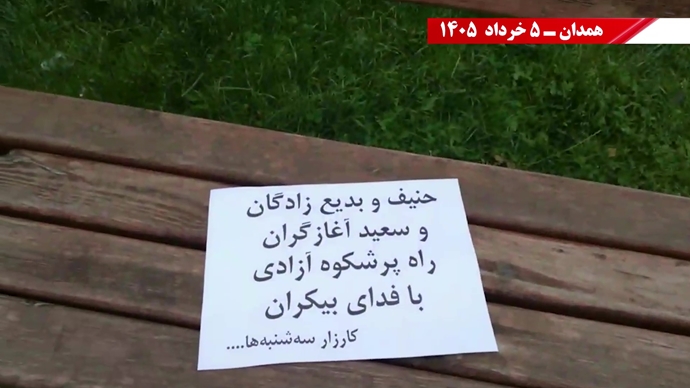
In Hamedan, posters honoring Mohammad Hanifnejad, Saeed Mohsen, and Ali-Asghar Badizadegan — among the founders of the PMOI — were installed with messages describing them as pioneers of the struggle for freedom through sacrifice.
In Bumehen, posters described the PMOI as:
“A symbol of resistance against both the Shah and the Sheikh across generations.”
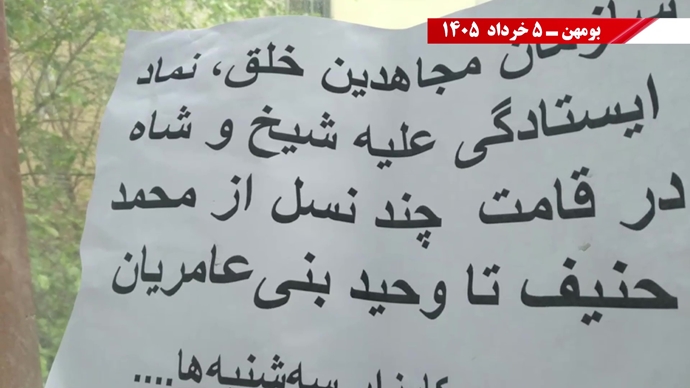
The materials referenced the continuation of resistance from Mohammad Hanifnejad to more recent activists and political prisoners.
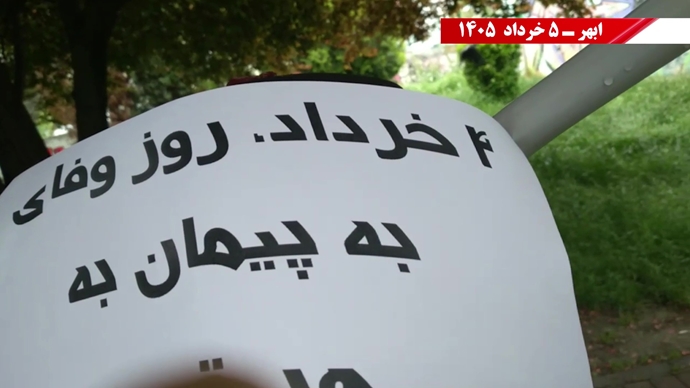
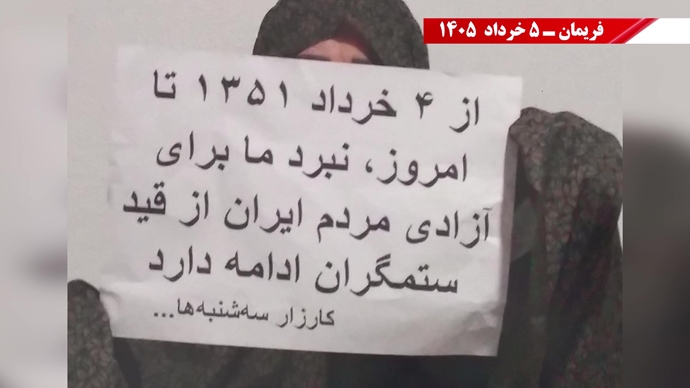
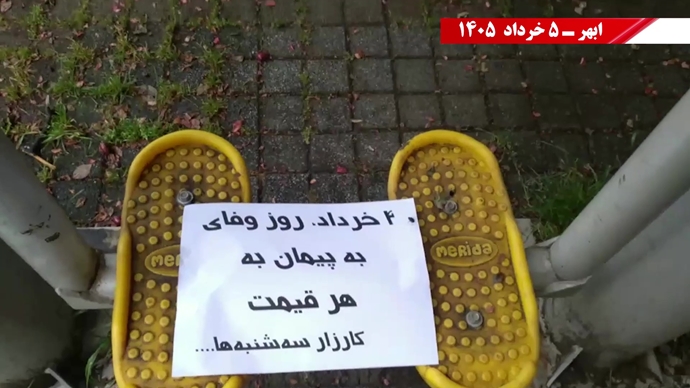
In Abhar and Fariman, photo campaigns carried slogans including:
“May 25 is the day of loyalty to the pledge at any cost.”
and
“The battle for the freedom of Iran’s people from oppressors continues.”
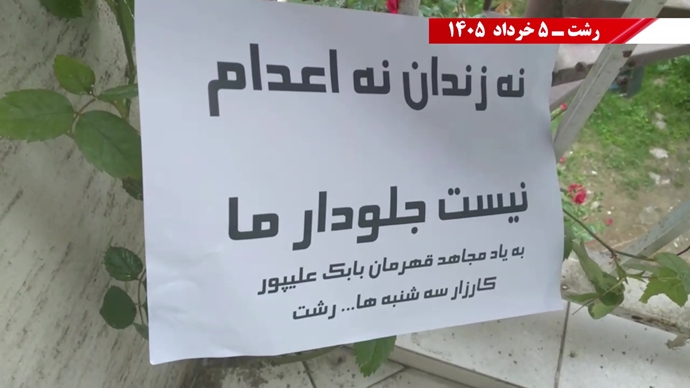
In Qazvin and Rasht, activists displayed messages declaring:
“Neither prison nor execution can stop us.”
The activities were conducted in support of the growing anti-execution campaign that has spread through prisons and activist networks in recent months.
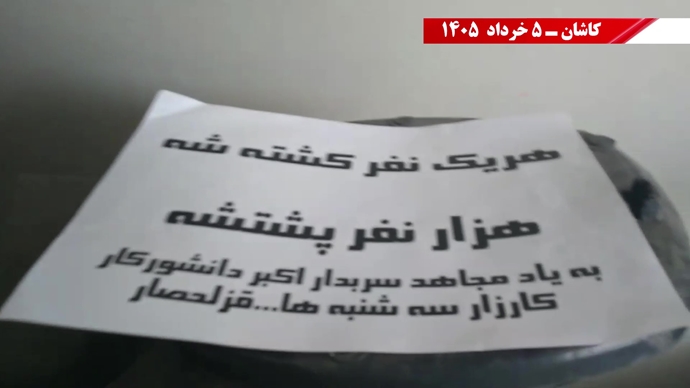
In Kashan, posters commemorated executed dissident Akbar Daneshvarkar with the slogan:
“For every one person killed, a thousand stand behind them.”
Meanwhile, in Isfahan, Resistance Units distributed posters stating:
“We do not mourn our martyrs in silence; we keep their memory alive through the flames of struggle.”
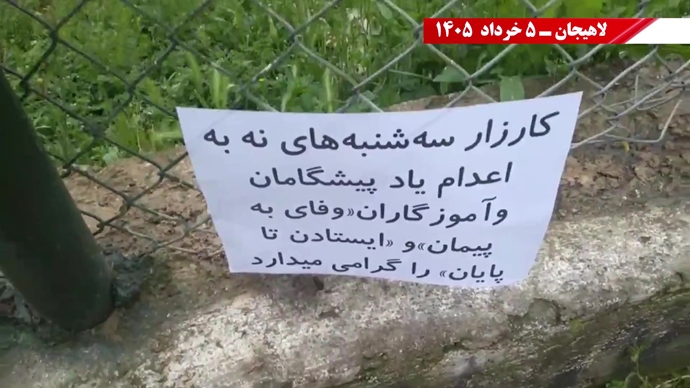
In Lahijan, activists connected the anti-execution movement to the legacy of earlier generations of resistance, emphasizing loyalty, perseverance, and steadfastness until victory.
Growing Defiance Amid Intensifying Repression
The latest wave of activities comes as regime authorities continue escalating executions, arrests, and pressure on dissidents in an attempt to contain growing public unrest. Despite heavy surveillance and security crackdowns, Resistance Units and anti-regime activists continue organizing symbolic protests, public messaging campaigns, and anti-execution initiatives across the country.
The coordinated nature of the campaigns across geographically distant cities reflects both organizational resilience and the persistence of political dissent despite years of repression.
As economic hardship, social unrest, and political dissatisfaction deepen throughout Iran, anti-regime activism increasingly frames itself not only as opposition to executions and repression, but as part of a broader struggle against authoritarian rule itself.