


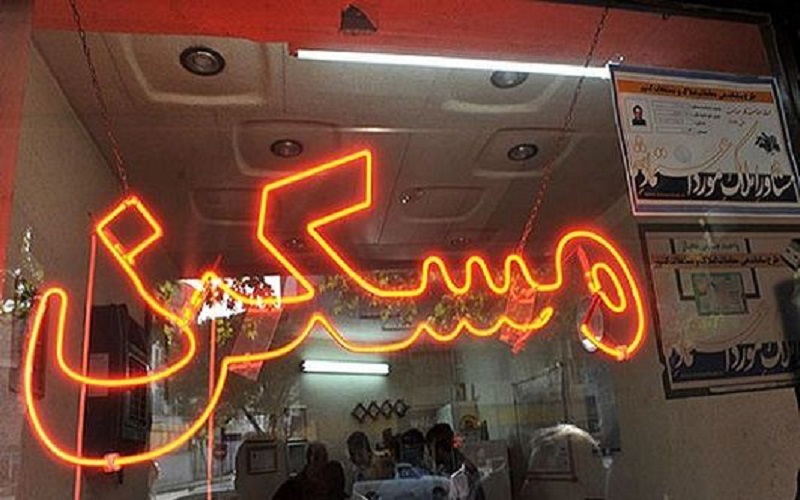

The surge in housing prices in Iran, coupled with the stark disparity between incomes and housing costs, has made homeownership an unattainable dream for many citizens. This crisis has deeply affected a significant portion of society, leaving a growing number of Iranians struggling to secure affordable housing.
Escalating Costs in Urban Areas
According to the state-run daily Shargh, even in economically disadvantaged areas of Iranian cities, housing prices have reached astronomical levels. The report highlights that homes under 100 square meters, often with only one bedroom, now cost no less than two billion tomans. For instance, in Tehran’s Azari neighborhood, a 54-square-meter house built in 2009 with one bedroom is priced at 3.1 billion tomans. Similarly, in the Navab neighborhood, a 39-square-meter house lacking parking and an elevator costs two billion tomans. In the Kahrizak area, a two-bedroom house built in 2018 is being sold for 2.053 billion tomans.
Widening Class Gap in Housing
The housing crisis has starkly highlighted the class divide in Tehran. While many residents in the southern areas struggle to afford homes priced at two billion tomans, housing in northern Tehran presents an entirely different reality. According to Donya-e Eghtesad, the average rental price in these affluent areas has soared. For example, in Tehran’s Region 1, the average monthly rent is 75 million tomans, with an advance payment of 1.115 billion tomans. In District 3, monthly rents average around 50 million tomans, with similar advance payment requirements.
The Exclusion of the Middle and Lower Classes
Independent experts and analysts point out that a significant segment of the population has been excluded from the housing market entirely. A housing analyst quoted by Khabar Online stated: “The main reason for housing poverty is that expenses, especially housing costs, exceed income. Currently, four income deciles have completely lost the ability to purchase housing.”
Official statistics further corroborate this dire situation. Between 2016 and 2022, over 48% of Iranian tenants fell below the poverty line. By the end of 2022, more than 33% of the population was classified as living in poverty. Many experts estimate that, due to soaring inflation and the ongoing devaluation of the national currency, over 50% of Iranians now live below the poverty line.
The Rise of Housing Poverty
Housing poverty has emerged as one of the most severe forms of deprivation. The price per square meter in Tehran skyrocketed from 5.6 million tomans in March 2017 to an astonishing 88.5 million tomans by September 2024. This dramatic increase has placed decent housing further out of reach for millions of Iranians, exacerbating an already dire socioeconomic divide.
Conclusion
The housing crisis in Iran is a multifaceted issue rooted in systemic economic challenges. It underscores the urgent need for comprehensive reforms to address income disparities, inflation, and the lack of affordable housing. Without immediate action, the dream of homeownership will remain elusive for the majority, deepening inequality and fueling social discontent.